News In English

What Athens Hopes to Gain from Today’s Summit in Ankara
In addition to the two leaders and their foreign ministers, nine Greek cabinet members will participate in the council, reflecting the broad range of sectors covered by bilateral cooperation.

"Cover-Up" at the Heart of Greece’s Predator Spyware Scandal, Court Told
Prosecutors argue that the network operated in parallel with lawful state surveillance, raising serious concerns about the relationship between private spyware operators and Greece’s National Intelligence Service (EYP).
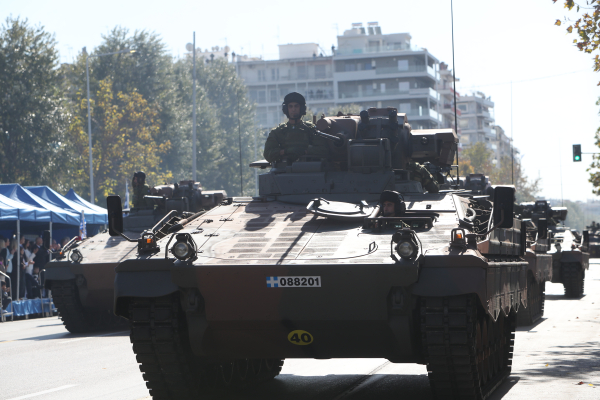
Greece to Modernize Key Leopard Tank Fleet
The Leopard 2A4 fleet, which entered service with the Hellenic Army in 2005, remains a central element of Greece’s land forces, particularly in the Evros region along the border with Turkey, where armored units form the backbone of deterrence.

Greek PM Sets Low Expectations Ahead of Talks with Erdogan
Greek Prime Minister Kyriakos Mitsotakis has held a telephone conversation with Cypriot President Nikos Christodoulides ahead of his planned visit to Ankara, where he is due to meet Turkish President Recep Tayyip Erdogan.
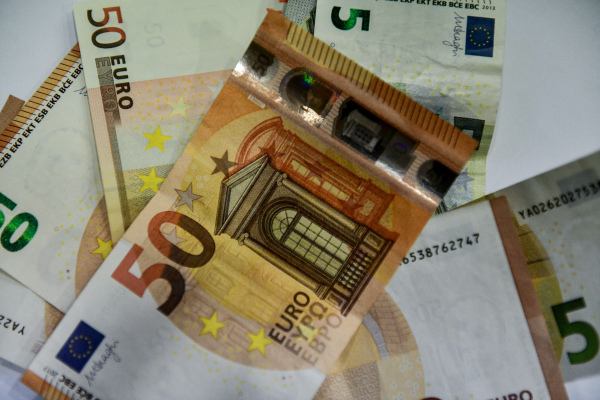
Greece Moves to Expose Hidden Rents and Tackle the Shadow Economy
Greek tax authorities are launching a sweeping crackdown on undeclared rental income and under-the-table transactions, aiming to bring transparency to a market long plagued by tax evasion.
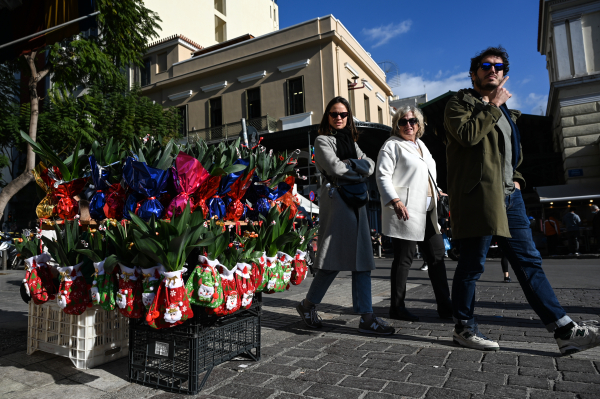
Greece’s Aging Workforce Faces Growing Discrimination in the Labor Market
Despite legislation prohibiting discrimination, ageism remains a persistent and largely unspoken problem in Greece’s labor market.

Greece Rethinks Advance Tax System That Pushes Corporate Burden Beyond Headline Rate
Greece’s advance corporate tax system is increasingly drawing scrutiny, as it effectively raises the real tax burden on businesses well above the country’s nominal corporate tax rate of 22%.

Greek Regulator Revises Crypto Service Provider Licensing Process
The Hellenic Capital Market Commission has updated the licensing framework for crypto-asset service providers in line with the EU’s Markets in Crypto-Assets (MiCA) Regulation.

Greece Plans Major Recycling Overhaul With Bottle Return System
The rollout is planned to begin within the year and expand nationwide over a two-year period.

Package of measures to ease industry’s energy costs takes shape
A package of measures aimed at easing the energy cost burden on industry is gradually taking shape, with the market now awaiting final announcements.
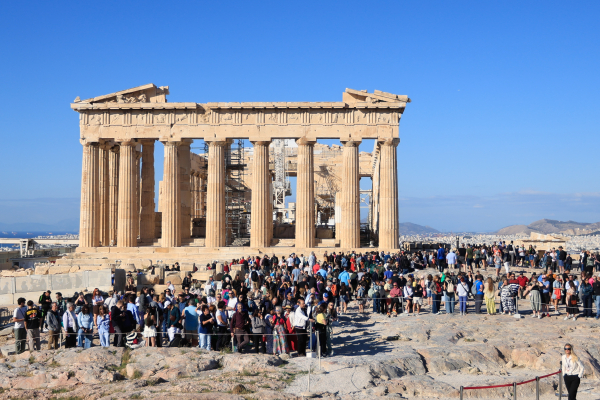
Athens and Crete Capture the Bulk of Greece’s Tourism Growth
The dominance of Attica, which includes Athens, is particularly striking.
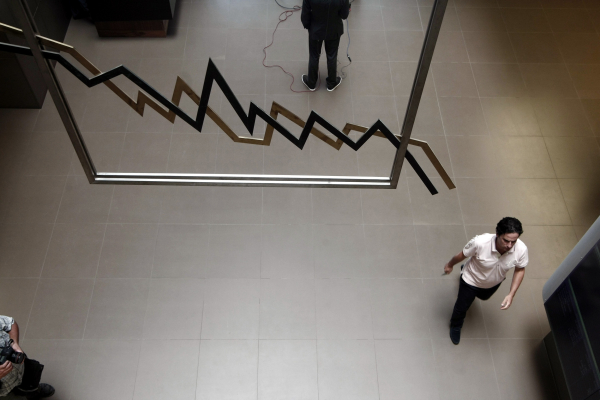
Deal Activity in Greece Surges as Transaction Value Triples in 2025
The total value of deals reached €20.6 billion, almost triple the €7 billion recorded in 2024, while the number of transactions rose by 55% to 183, compared with 118 the previous year.
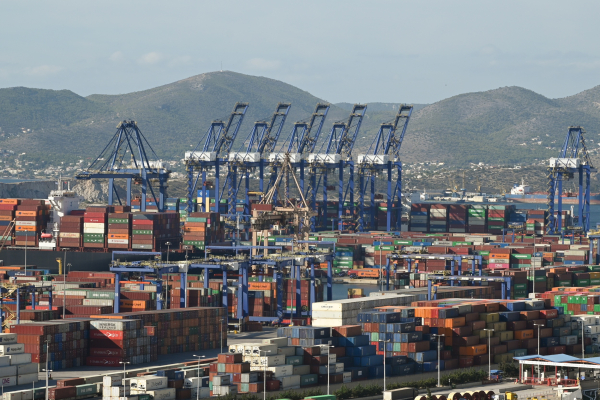
Greek Exports Show Resilience in 2025 Despite Global Trade Turmoil
Growth was supported by improved performance in six of the country’s nine main export sectors.

Prosecutor’s Recommendation in Greece Surveillance Case Reignites Political Tensions
The trial is being heard at the Single-Member Misdemeanor Court of Athens and focuses on an illegal surveillance network linked to Predator, a powerful commercial spyware capable of covertly accessing mobile phones.

Greece Moves Toward Social Media Ban for Children Under 15
Australia was the first country to legislate strict limits on minors’ access to social media.

Prosecutor Seeks Convictions in Greece’s Illegal Predator Spyware Case
He stressed that under Greek law, criminal liability cannot be obscured by corporate structures, emphasizing that companies cannot be used as shields to conceal unlawful conduct.

Senior Greek Military Officer Detained for Allegedly Passing NATO Intelligence to China
Sources familiar with the case identify the suspect as a 50-year-old wing commander stationed in the coastal area of Kavouri, near Athens.
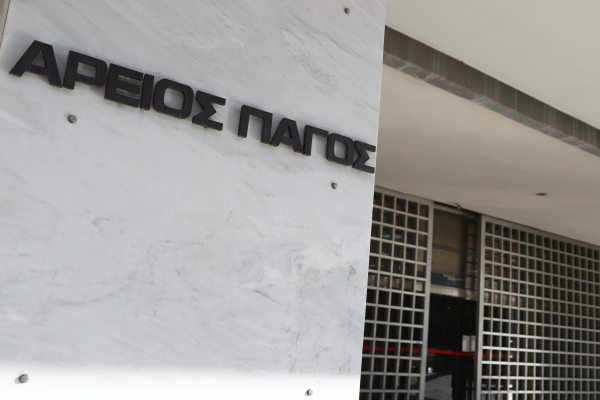
Court Ruling on Loan Interest Puts Pressure on Greek Banks and Securitisations
There are growing concerns that borrowers may seek retroactive refunds for interest already paid under the previous calculation framework, potentially opening the door to new legal claims.
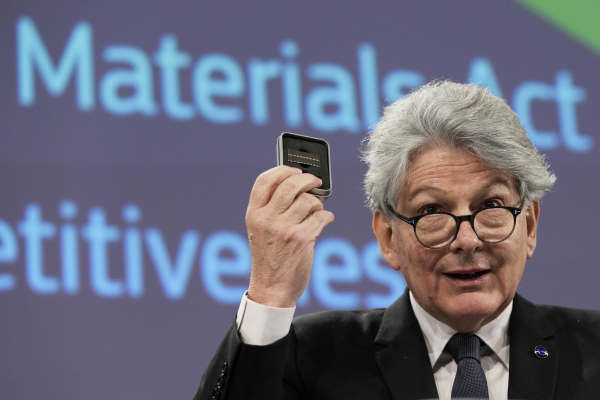
Critical Raw Materials: EU Audit Underscores Need for Faster Domestic Production
The EU remains heavily dependent on imports, particularly for materials essential to technologies such as batteries, wind turbines and solar panels.

Greece Tightens Controls on Costly Real Estate Tax Exemptions
According to official data, total tax expenditures amount to €22.88 billion, of which nearly 40% relate to exemptions in capital taxation.

UN Warns Tragedy off Chios Is Not Isolated as Death Toll in Aegean Mounts
Public anger over the incident spilled into the streets on Wednesday evening, when a protest took place at the port of Chios.

Greek Farmers Plan Tractor Protest in Athens Over Unresolved Demands
The decision was taken by members of a nationwide farmers’ coordination committee, who stressed that while the government listened to their concerns, it did not provide concrete solutions.

Libra Group’s George Logothetis Closes Sale of Former Rockefeller Townhouse in Manhattan
The residence is a historic townhouse that was once owned by a member of the Rockefeller family, a pedigree that significantly enhanced its appeal and value.
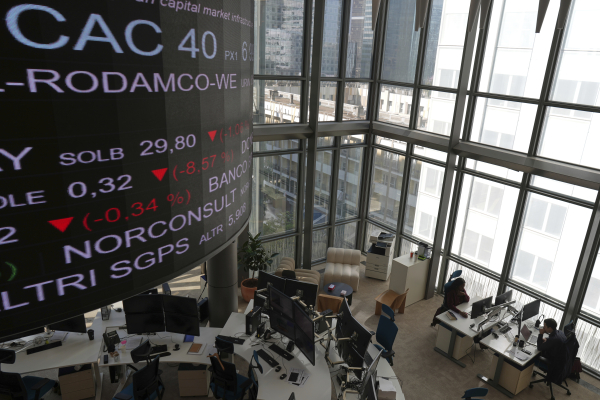
Post-Deal Performance Raises Questions Over Euronext–ATHEX Share-Swap
Under the terms of the agreement, ATHEX shareholders received 0.05 Euronext shares for each ATHEX share, implying a valuation of €6.75 per ATHEX share.
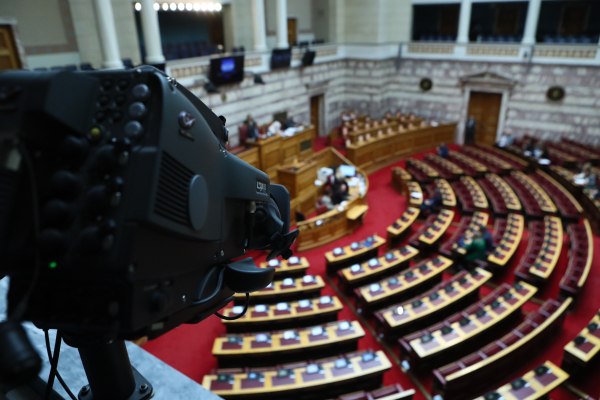
Greece Opens Parliamentary Debate on Landmark Collective Bargaining Reform
The bill is notable not only for its content but also for the way it was prepared.

Greece Launches National Dialogue on Secondary Education Reform, Keeps University Entrance Exams for Now
According to the Ministry of Education, the reform will be developed through an open, transparent, and participatory process, with no predetermined outcomes.

Greece Overhauls Inheritance Law, Shielding Heirs from Deceased’s Debts
An end to inherited debt for heirs is set to take effect in Greece from September, under a major reform of inheritance law being promoted by the Ministry of Justice.
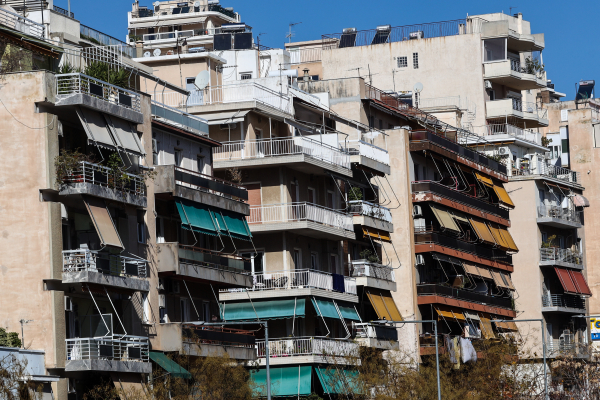
Evictions in Greece: Why Tenants Are Unlikely to Face Enforcement Before Summer
The reform, which came into force on January 1, introduces a faster mechanism for issuing an order for the return of a leased property when a rental contract has expired.

Low Pay and Rising Rents Leave Greek Educators Struggling
In Greece, a recent political controversy has drawn attention to a long-standing but often overlooked reality: teachers are among the lowest-paid professionals in the developed world, and many struggle to meet basic living costs.
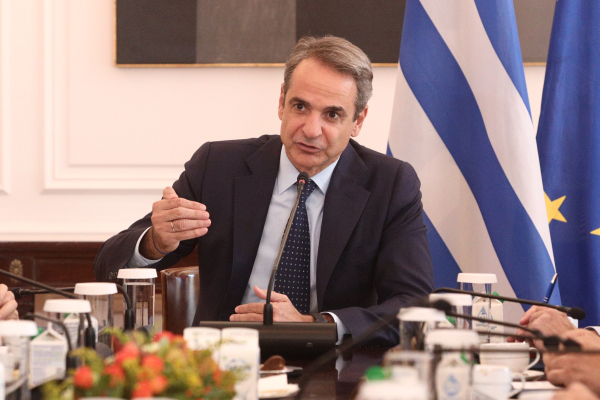
Scandals Loom Over Greece’s Constitutional Reform Debate
Prime Minister Kyriakos Mitsotakis has come under sharp criticism from former deputy prime minister and constitutional law expert Evangelos Venizelos following the government’s decision to launch a debate on revising Greece’s Constitution.
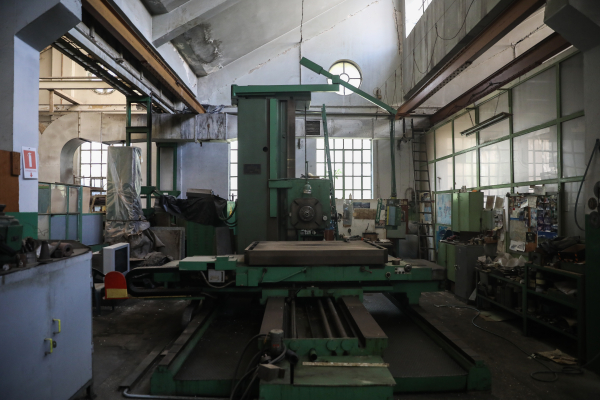
Hellenic Defence Systems Forms New Ammunition Company with MSM EXPORT
Hellenic Defence Systems (EAS) and Slovakia’s MSM EXPORT s.r.o. have established a new joint venture, Hellenic Ammunition S.A., headquartered in the port city of Lavrio, southeast of Athens.