
According to data from the Hellenic Statistical Authority (ELSTAT), sector turnover dropped 2.6 percent in the second quarter of 2025 compared with the same period a year earlier, slipping to €2.72 billion from €2.80 billion. The decline follows a sharper contraction of 7.6 percent in the first quarter, when revenues stood at €1.84 billion versus €1.99 billion in early 2024. In total, the industry lost about €226 million in the first half of the year, a 4.7 percent decrease.
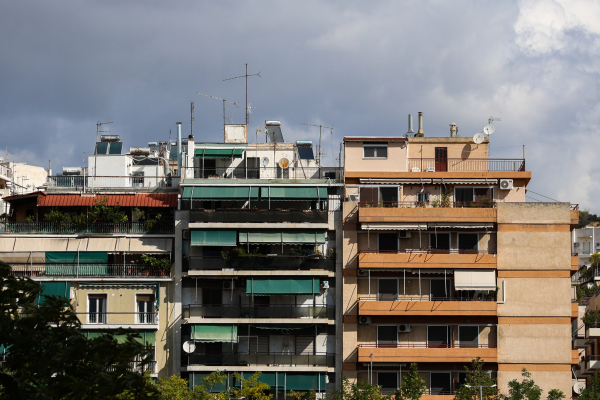
The downturn reflects a shift in holiday spending patterns. For years, Greeks joked about foreign visitors ordering little more than a salad and fries in tavernas. Now, rising prices and tighter household budgets have made that stripped-down approach to dining common among locals as well. Even more damaging to restaurants is the growing trend of holidaymakers bypassing eateries entirely, choosing instead to cook at their rental accommodation, many of which—particularly Airbnb-style lodgings—come with fully equipped kitchens.
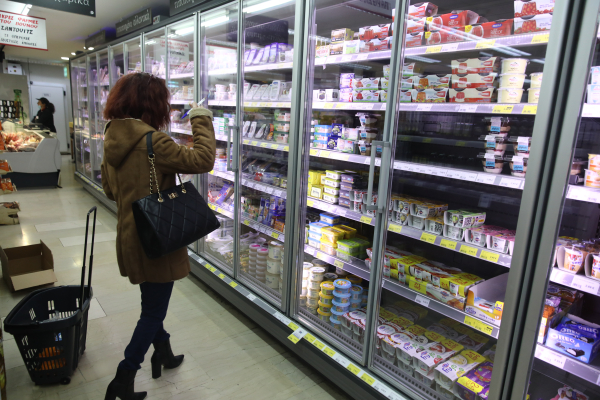
Supermarket chains appear to be the beneficiaries. Figures from research firm Circana show that during the first half of 2025, grocery sales grew fastest on the islands, up 9.5 percent, and in Crete, up 8.1 percent.
Inflation has amplified the pressure. In July, the cost of dining out was 6 percent higher than a year earlier, while package holidays were up 6.4 percent. With households across Greece pulling back on discretionary spending, the restaurant industry has been one of the hardest hit.
Some of the country’s most iconic destinations are seeing the sharpest losses. In Santorini, turnover plunged 21 percent in the second quarter compared with last year, a drop linked in part to seismic activity earlier in the year that disrupted tourism. Other popular islands also posted declines: revenues fell 10 percent in Tinos, 8 percent in Mykonos, and 7 percent in Paros. Mainland regions were not spared, with Messinia, Laconia, and Magnesia all registering notable drops, while even Athens and Thessaloniki recorded declines of 1.9 and 5.2 percent respectively. In total, 37 prefectures across the country reported reduced restaurant revenues in the second quarter.
The figures paint a sobering picture of an industry squeezed between rising costs and changing consumer habits. What was once a hallmark of Greek holidays—long meals at bustling tavernas—is increasingly being replaced by a quieter, more frugal alternative: cooking at home, even while on vacation.