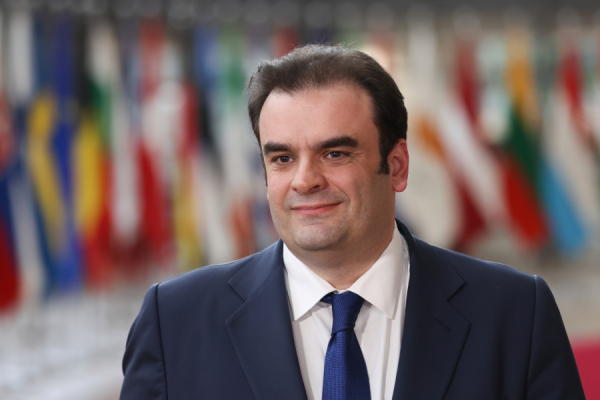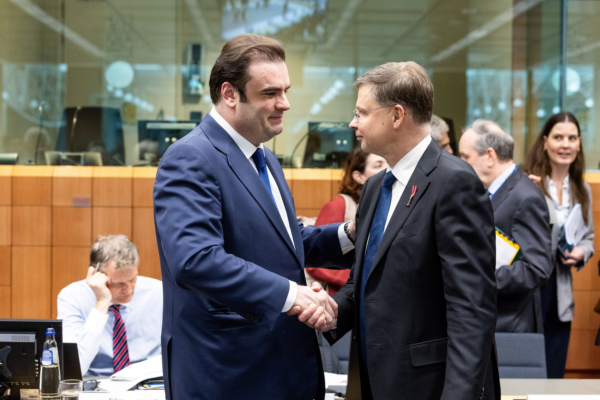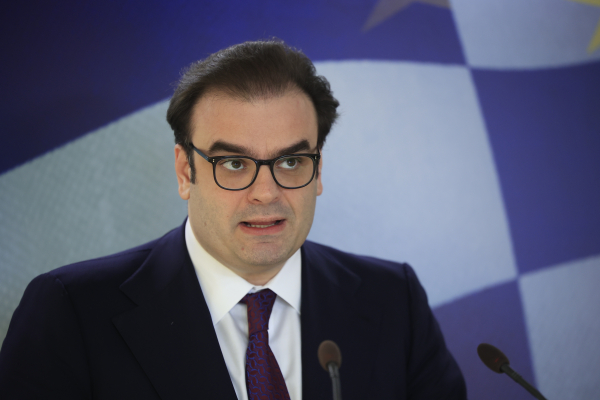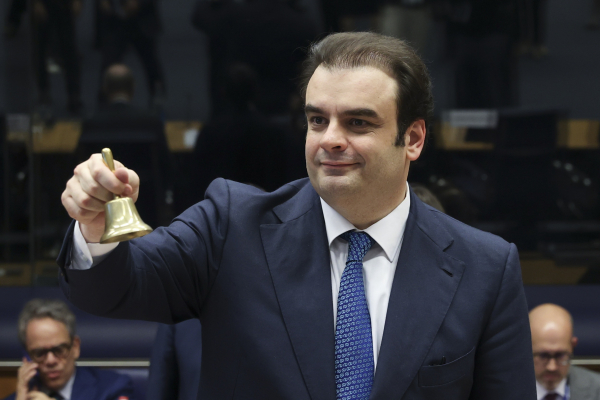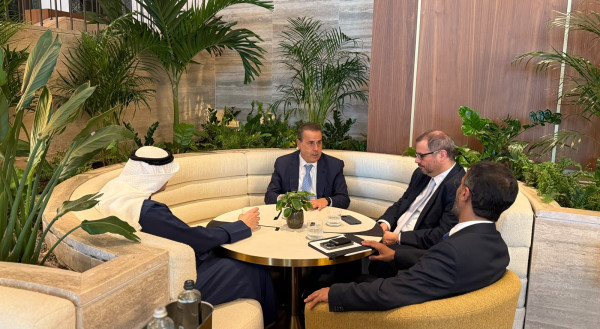
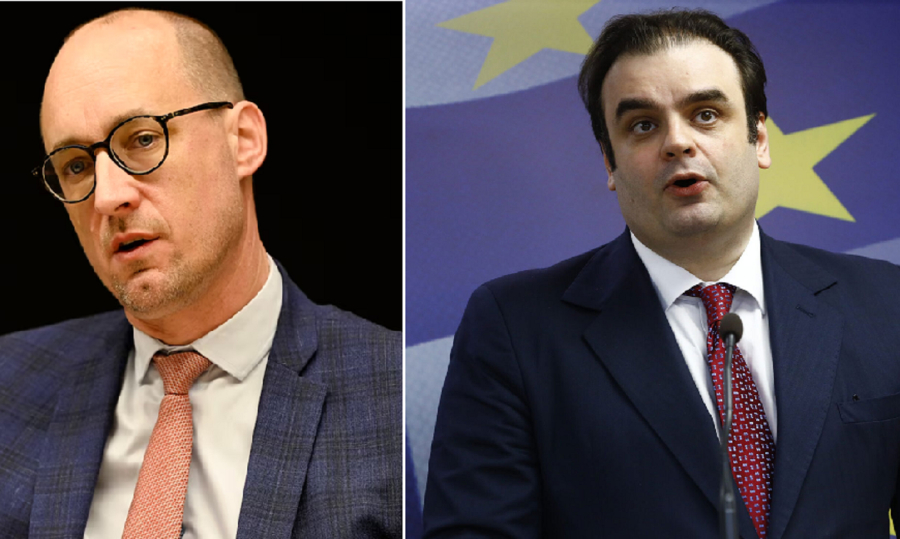
At a moment when the Eurozone is navigating heightened geopolitical pressures, rapid technological disruption and long-term structural challenges, two finance ministers - Greece’s Kyriakos Pierrakakis and Belgium’s Vincent Van Peteghem - have formally entered the race to lead the Eurogroup. Their candidacies, submitted in detailed letters to fellow ministers, will be decided at the group’s meeting on December 11. Together, their proposals sketch two distinct yet broadly aligned visions for the future of the euro area’s economic governance.
In his letter, Pierrakakis describes the present European context as a «critical moment», arguing that the core problem is not a shortage of analysis but a lack of coordinated execution. He urges the Eurozone to move beyond entrenched divisions between North and South, East and West, and between so-called «frugal» and «flexible» member states. Today’s challenges, he argues, are systemic and structural, not ideological. His vision centres on a Eurogroup that acts with greater unity, speed and strategic focus. While praising the work of outgoing president Paschal Donohoe, he pledges to enhance continuity with clearer and more structured decision-making processes.
Drawing on Greece’s recent experience of crisis management and economic recovery, Pierrakakis argues that the Eurozone’s strength lies in its capacity to combine national expertise for the benefit of citizens across the bloc. He outlines a programme focused on mobilising European savings and investment, completing and modernising the Single Market, accelerating digital transformation - including the development of a digital euro - and reinforcing Europe’s broader economic foundations, from fiscal stability to demographic and productivity challenges. Throughout, he emphasises the need for a Eurogroup that is focused, flexible, transparent and clearly differentiated from the Ecofin Council. He concludes by invoking the Greek experience to underline the value of European solidarity, asking his peers to support a presidency aimed at strengthening stability and competitiveness across the Eurozone.
Van Peteghem, in his own letter, also portrays the Eurozone as standing at a crossroads, confronted by geopolitical tensions, intensifying global competition and technological shifts that are reshaping the economic landscape. For him, safeguarding the resilience of the Economic and Monetary Union requires deeper cooperation, steady leadership and coordinated action among member states. He presents a vision built on tighter fiscal and economic policy coordination, consistent implementation of the EU’s new economic governance framework, and maintaining market confidence.
The Belgian minister places strong emphasis on enhancing competitiveness and deepening the Economic and Monetary Union, particularly through advancing a European Savings and Investment Union and removing financing barriers for small and medium-sized businesses and start-ups. He also prioritises strengthening the international and digital role of the euro, reducing reliance on non-European payment systems and expanding oversight of digital asset markets. Citing his experience chairing the Ecofin Council during Belgium’s EU presidency, he highlights his ability to build consensus on difficult files, including the recent overhaul of economic governance rules. As a deputy prime minister in a multiparty government, he stresses his familiarity with balancing competing political interests - a skill he considers essential for leading the Eurogroup.
Van Peteghem promises a presidency grounded in transparency, equal treatment of all member states and close cooperation with the European Commission and the European Central Bank. He frames his candidacy as a response to the Eurozone’s need for credible leadership in a period of rapid change.
The parallel emergence of two strong candidacies reflects the growing importance of the Eurogroup presidency at a time when economic convergence, technological autonomy, investment mobilisation and fiscal credibility sit at the heart of the European agenda. While Pierrakakis and Van Peteghem share a commitment to a more stable, competitive and cohesive Eurozone, their letters reveal different accents in how they believe those goals should be pursued. Ultimately, the contest is not only between two individuals but between two policy approaches shaping the Eurozone’s next chapter.