The escalation of the conflict in the Middle East is weighing on the ambitious plans of Greek banks to expand into the Persian Gulf, acting as a significant brake on the pace of implementation of their business strategies. Heightened uncertainty stemming from the U.S. and Israeli military operation against Iran - while the prospect of a conflict lasting several weeks remains on the table - has led to a temporary freeze on key decisions, without, however, derailing longer-term strategic planning.
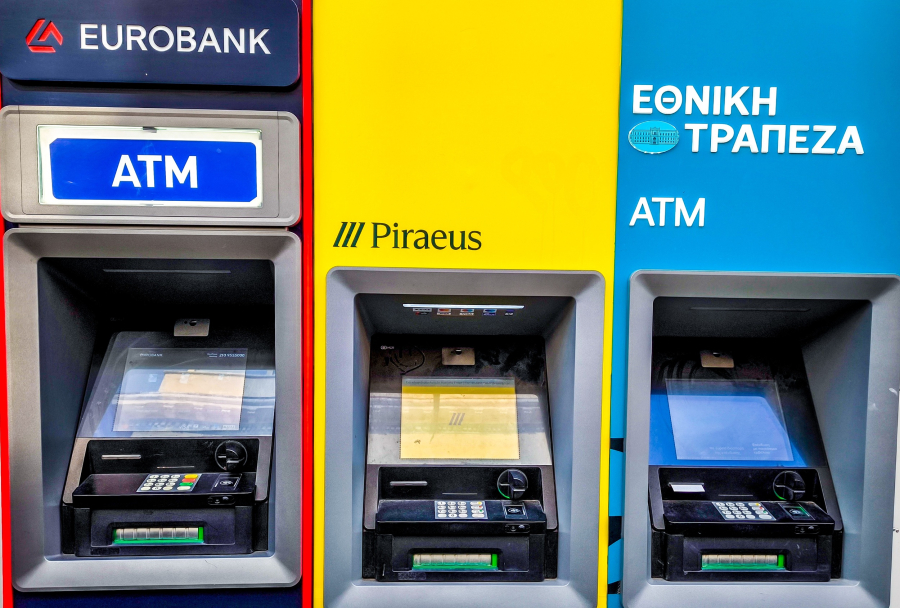
Under current conditions, the National Bank of Greece’s plans to open a branch in Riyadh, Eurobank’s initiative to establish a representative office in Abu Dhabi, and Alpha Bank’s entry into the Gulf’s wealth management sector are now expected to move forward at a more cautious and measured pace.
Major infrastructure and technology projects that lie at the core of Greek banks’ interest in the region - primarily through syndicated loans and Islamic finance structures - have not been abandoned. Instead, they are being postponed until the geopolitical landscape becomes clearer.
Despite the current turbulence, the Middle East remains a strategic priority for Greek banks, offering significant growth potential. Yet the conflict - the second major one in the region within a year - serves as a stark reminder that geopolitics in the Gulf takes precedence over banking strategy. Until a degree of relative stability is restored, plans for a Greek banking «landing» in the Persian Gulf will proceed with heightened caution and a close watch on developments on the ground.