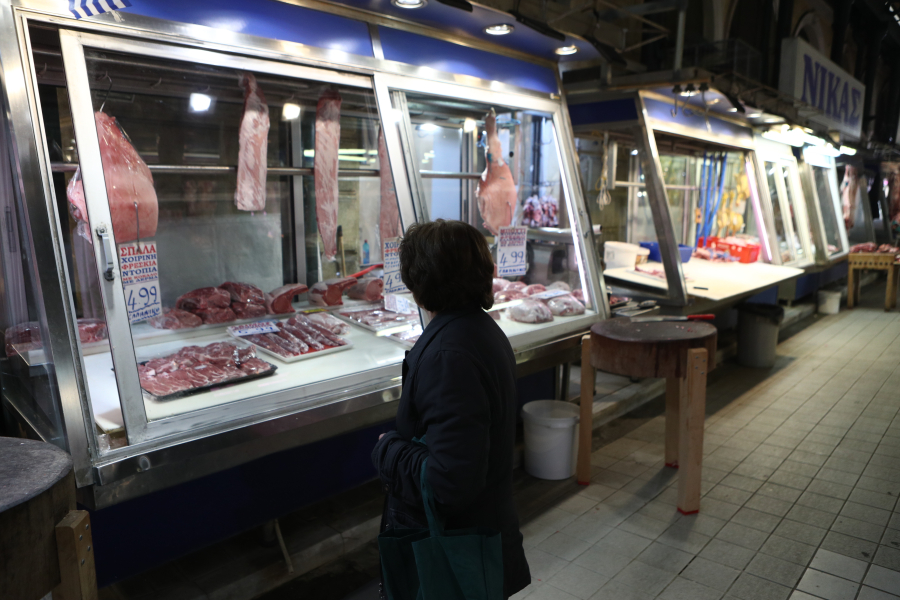

In supermarkets, the price of beef has climbed to as much as €35 per kilo for premium cuts such as tenderloin. At local butcher shops, commonly purchased cuts like shoulder clod now sell for €16–20 per kilo, compared with €12.50–13.50 a year earlier. Market analysts warn that if the upward trend continues, prices may soon reach €21 per kilo. Producer prices have also risen sharply, hitting €9.50–10 per kilo from €6 last year, intensifying cost pressures throughout the meat supply chain.
The inflationary spike is not confined to beef. The spread of sheep pox in Greece has contributed to significant increases in the prices of lamb, goat, and mutton. Producer prices for sheep meat have jumped to €5.50–5.80 per kilo from €4.00–4.30, while lamb has risen to €10.50 per kilo from €8.00 before the disease appeared. Retail prices now reflect these changes: sheep ribs cost €11.50–13.50 per kilo, up from €9.50–10.50, and lamb and goat meat have escalated to €17 per kilo from €14.50 just months ago.
Other types of meat have also become costlier. Chicken now ranges from €5.50 to €20.30 per kilo, while pork has reached €14.90. The broad escalation across all categories has added strain to household budgets, with industry representatives calling for urgent policy measures to stabilize prices.
Data from Greece’s national statistics authority, ELSTAT, shows that beef has recorded the largest price increase in the country’s meat sector, rising 54.6 percent since 2021. In October alone, beef, lamb, and goat prices were up 10.6 percent year-on-year. Lamb and goat have seen the second-largest increase since 2021, climbing 44 percent, and the situation is expected to worsen ahead of the holiday season due to ongoing outbreaks of the disease affecting livestock. Pork prices have increased 38 percent over the same period, while poultry, up 27 percent, remains the relatively more affordable option despite global pressures on animal feed costs.
The sheep pox outbreak has already resulted in 1,702 confirmed cases across 2,135 farms in Greece, leading to the culling of more than 417,000 animals. Veterinary experts are urging stricter biosecurity protocols and stronger inspection mechanisms to contain the disease and prevent further disruptions to the country’s livestock sector.