
The ongoing conflict in Iran is reshaping the geopolitical landscape and introducing a new layer of uncertainty for inbound tourism to Greece in 2026. Initial assessments from leading figures in Greece’s tourism industry and broader economy converge on a single message: the need for calm. The overall impact will depend largely on how long the conflict lasts and how intense the military operations become. A short-lived crisis could allow markets to adjust relatively quickly and energy prices to stabilize. A prolonged confrontation, however, risks exacerbating inflation, disrupting global supply chains and placing significant pressure on the wider economy.
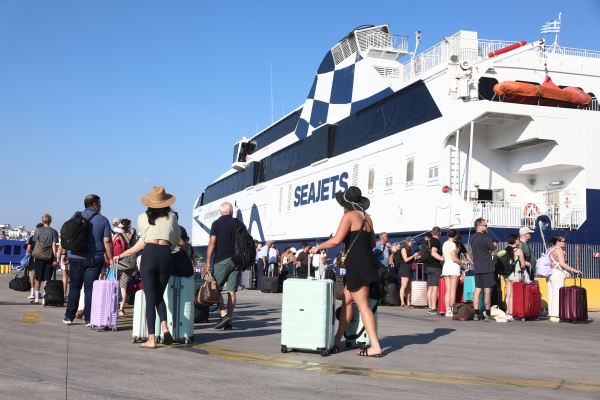
Early signs of disruption are already visible in the tourism market. Greek hoteliers and travel agents report receiving daily inquiries from foreign partners and individual travelers seeking reassurance about conditions in Greece. At the same time, several airlines have suspended flights from most Middle Eastern destinations to Athens and other European cities, while continuously adjusting their schedules in response to developments. So far there has been no wave of cancellations—only isolated cases affecting travel during the first half of March - but the market has clearly entered a wait-and-see phase. Reservations that were expected to become confirmed during this period are being postponed, as many travelers prefer to monitor the situation before committing.
Industry representatives are also concerned about the possibility of further escalation. Should asymmetric attacks by extremist groups occur in European or other major cities, the consequences for global travel demand could be far more severe and difficult to predict. Another area of concern is the potential impact of rising energy prices on household travel budgets, which could reduce demand for international trips if costs remain elevated.
ΔΙΑΒΑΣΤΕ ΕΠΙΣΗΣ

For now, attention is focused on possible travel advisories from major tourism markets that send visitors to Greece. There is also sensitivity about whether certain Greek destinations - particularly Crete, due to the presence of the US naval base at Souda Bay - might become associated with the geopolitical tensions in public debate or international media coverage. Such a development could affect perceptions of Greece as a safe destination. Nevertheless, industry leaders note that the country’s successful management of recent crises, especially the pandemic, continues to support confidence in Greece’s ability to navigate periods of instability.
This perception of geopolitical stability and safety has also generated cautious optimism in some parts of the sector. Under certain circumstances, Greece could even benefit from the shifting dynamics of regional travel. Destinations such as Dubai, Egypt and Turkey, which were competing strongly for international visitors, may face disruptions or declining demand as a result of the conflict. If that occurs, some travelers could redirect their plans toward destinations within the European Union’s Mediterranean region. After a record tourism year in 2025, Greece has demonstrated considerable structural resilience. However, industry leaders emphasize that maintaining this momentum will require deeper reforms in areas such as infrastructure, spatial planning, energy autonomy and destination management.