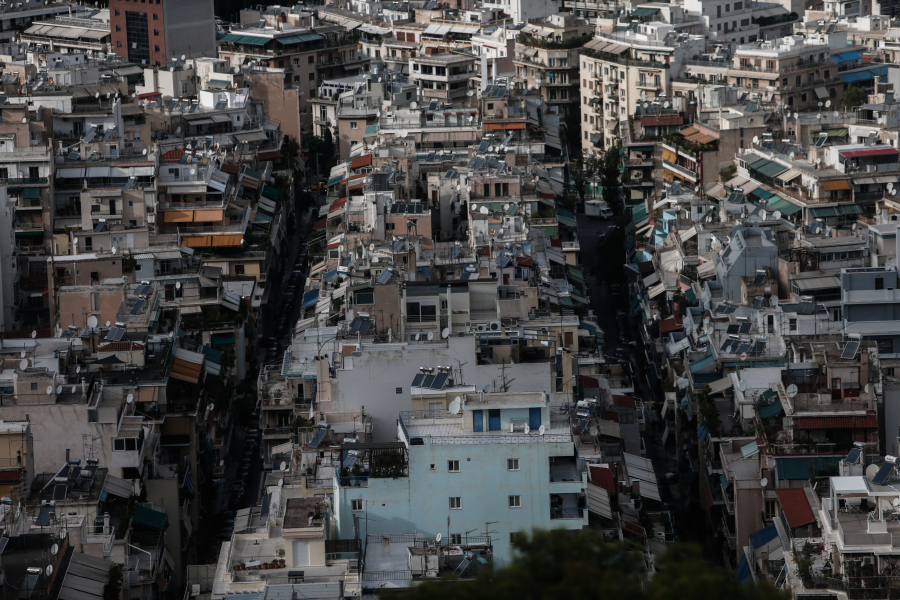
Greece is emerging as one of the most troubled housing markets in Europe, according to the new Housing in Europe – 2025 report published by Eurostat. The findings reveal a country where access to stable, affordable accommodation has become increasingly difficult, and where housing insecurity is no longer the exception but the norm for many households.
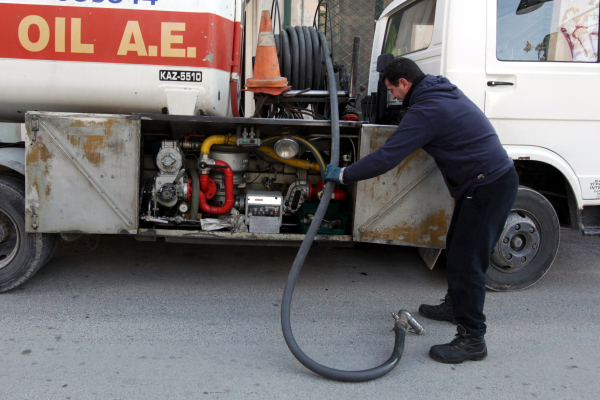
One of the most striking indicators concerns energy poverty. Greece records the highest percentage of residents in the European Union who say they cannot keep their homes adequately warm. Nineteen percent of the population faces this problem—almost double the EU average of nine percent. The figure reflects not only the country’s long-standing structural issues but also the financial strain households endure amid rising energy costs and increasingly unpredictable weather patterns.
Equally alarming is the share of the population living with overdue housing expenses. Greece leads the EU in this category, with 43 percent of residents living in households that have fallen behind on rent, mortgage payments or utility bills. By contrast, the EU average stands at just nine percent. The discrepancy underscores the severity of economic hardship in Greece and illustrates how difficult it has become for many families to meet even basic, recurring financial commitments.
The report also shows that Greek households spend a significantly larger portion of their income on housing compared with the rest of the EU. On average, 36 percent of disposable income goes toward accommodation costs, nearly double the European average of 19 percent. This heavy burden reduces the capacity of households to cover other essential needs and highlights how housing expenses dominate financial life in Greece.
While the country does not rank among the very worst in terms of overcrowding, the issue remains present, with 13 percent of homes considered inadequate for the needs of the people living in them. Interestingly, Greece records some of the lowest levels of reported discrimination when individuals search for housing. Yet this positive note does little to soften the overall picture of a housing landscape under immense stress.