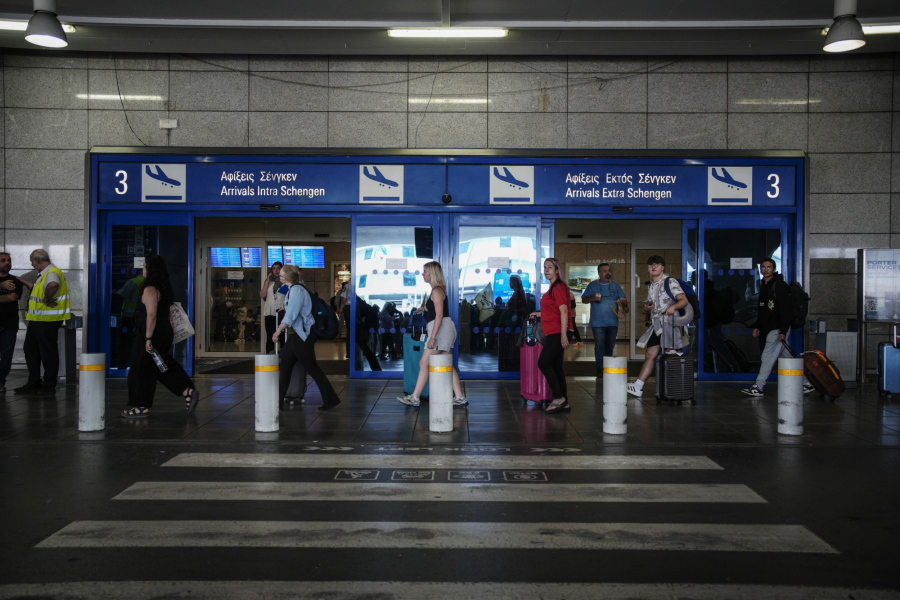
Athens International Airport «Eleftherios Venizelos» briefly lost communication with incoming aircraft late on Tuesday night, August 19, after a radar failure disrupted approach procedures at Greece’s busiest hub.
The incident, which coincided with peak tourist season, caused delays to at least a dozen flights the following day and left more than 2,000 Ryanair passengers affected. The airline called for an urgent overhaul of the airport’s control systems.
Although Greece’s Civil Aviation Authority (CAA) said the fault was fixed the same day, aviation unions argue the reality was more complicated. According to the Air Traffic Safety Electronics Personnel Union, the system that transmits both radar and voice data from Merenta Hill - a key facility near the airport - collapsed after power and fiber-optic failures. One of the two radars guiding planes on final approach went offline, and while the main radar was restored by midday Wednesday, communication frequencies were not fully operational until the following morning.
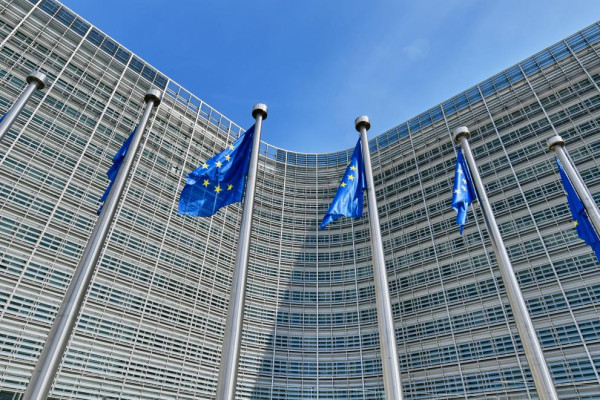
The incident highlighted longstanding deficiencies in Greece’s air navigation infrastructure. A third radar at Hellinikon has been out of service for more than two years and has never been replaced. Overall, the country’s radar and communication systems are widely considered outdated. The European Commission has already taken Greece to court over aviation safety gaps and has imposed a 346-point action plan to bring the country in line with EU standards. Some of the required systems should have been in place since 2011.
Efforts to modernize have repeatedly stalled. A proposal for Athens Airport to purchase interim upgrades was rejected last year in anticipation of new systems expected under EU oversight. In the meantime, officials were reportedly left scrambling during this week’s breakdown, asking why the replacement had not already been installed.
The problems extend beyond hardware. Training for engineers on 19 new systems planned for regional airports is also in question. Ten engineers will need to relocate to Athens for nearly two months, but the CAA has demanded they cover their own travel and accommodation costs—about €7,500 each—before reimbursement at an unspecified later date. Union leaders warn this creates “discriminatory conditions,” preventing some staff from attending training essential to flight safety.
«The safety of air travel cannot rest solely on the goodwill and sacrifices of staff» the union said in a statement. «It requires real support and equal treatment».