The meeting at the Maximos Mansion underscored the deepening of bilateral ties, particularly in the fields of defense and energy, as both countries seek to adapt to shifting geopolitical realities.
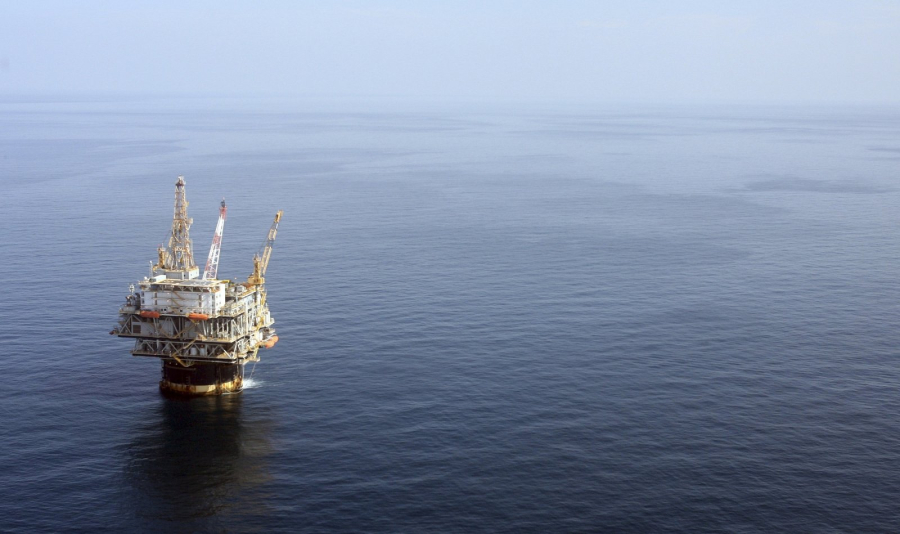
Mitsotakis described the visit as timely, coming just a day after U.S. energy giant Chevron formally announced interest in conducting exploratory operations south of Crete. He said the move validated Greece’s sovereign rights in the region and reinforced the country’s emergence as a regional energy hub.
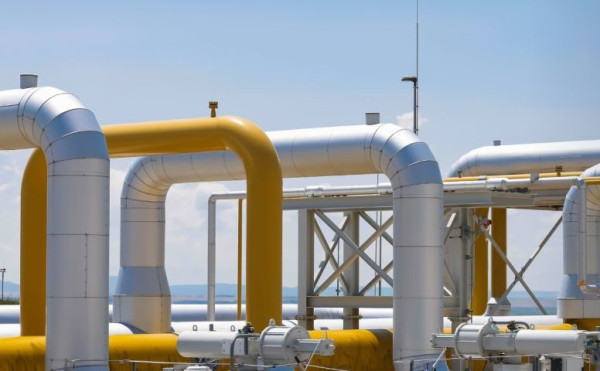
“Greece has become a pillar of energy security for the wider area. We are now exporting natural gas, electricity and petroleum products, which makes us a very strong player in the Eastern Mediterranean,” the prime minister said.
The Greek leader also emphasized the importance of infrastructure projects such as the Great Sea Interconnector and the GREGY Interconnector, which aim to enhance energy and digital connectivity across the region. He outlined Greece’s vision of transforming into a gateway for energy flows to Southeastern Europe, while also noting the strategic significance of a proposed corridor linking the northern port city of Alexandroupolis with Odesa in Ukraine.
The talks were held on September 11, a date Mitsotakis acknowledged as emotionally charged for Americans. In his opening remarks, he expressed solidarity with the United States on the anniversary of the terrorist attacks and condemned the recent killing of U.S. commentator Charlie Kirk, calling political violence “unacceptable in a democracy.”
Burgum, speaking on behalf of President Donald Trump and his administration, thanked Mitsotakis for his hospitality and reaffirmed Washington’s view of Greece as a strategic partner. He highlighted the U.S. goal of replacing Russian gas with American LNG, pointing to massive investments in U.S. energy production and export infrastructure. “With Greece’s shipping tradition, access to the sea, and northbound pipeline connections, there are many opportunities for Greek companies to contribute to regional energy security,” Burgum said.
The U.S. official also stressed that energy policy is central to the Trump administration’s foreign agenda. “One of our main objectives is to achieve energy independence, while ensuring our allies do not have to rely on adversaries. Greece has a unique role to play in this effort,” he noted.
Burgum also met with Environment and Energy Minister Stavros Papastavrou and Deputy Minister Nikos Tsafos. Discussions focused on strategic energy cooperation, new infrastructure projects, and development initiatives designed to boost Greece’s energy autonomy by leveraging its geopolitical position. Papastavrou described the joint bid by Chevron and Helleniq Energy for hydrocarbon exploration rights south of the Peloponnese and Crete as “a major national success,” arguing that it demonstrates international confidence in both Greece’s energy sector and the Mitsotakis government.
He also pointed to the growing flow of U.S. LNG into Greece. According to official figures, 81 percent of the country’s LNG imports in the first half of 2025 came from the United States—almost double the volume recorded in the same period last year. Papastavrou said facilities at Revithoussa and Alexandroupolis are reinforcing regional energy security, channeling U.S. LNG not only to Southeastern Europe but also as far as Moldova and Ukraine.
Looking ahead, Greece plans a new wave of interconnection projects that will strengthen supply networks, stabilize prices, and integrate renewable energy sources into a rapidly decarbonizing market. Athens will also host the next meeting of the Partnership for Transatlantic Energy Cooperation (P-TECC) in November, a sign of the country’s growing prominence in U.S.–European energy relations.
Concluding his visit, Burgum highlighted the broader strategic message. “America’s real strength lies not only in its energy dominance but in the alliances we build with our partners. Through unity, energy can become a force for global stability,” he said, adding that Greece is well placed to play a central role in securing “a safer and smarter energy future.”