Athens is facing a critical turning point in its tourism development, as the current model shows signs of becoming unsustainable under the weight of growing visitor numbers and mounting pressure on the city’s infrastructure. In recent years, the Greek capital has experienced a dramatic rise in tourism demand, pushing it closer to the limits of its capacity to absorb and manage such growth effectively.
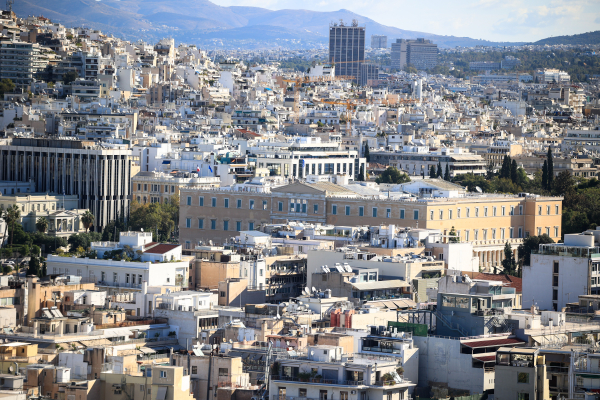
The number of overnight stays in Athens has nearly doubled over the past decade, climbing from around 4 million in 2012 to 7 million in 2019, and exceeding 7.9 million in 2024. This surge has been met not through hotel expansion, but largely through the rapid proliferation of short-term rentals, particularly via digital platforms like Airbnb. In the wider Attica region, the number of short-term rental properties increased from approximately 24,000 in 2019 to 32,000 in 2024. In central Athens alone, around 15,000 such properties are now active—nearly matching the 18,700 hotel rooms in the same area.
This shift has dramatically altered the city’s tourism landscape. Indicators that measure the strain tourism places on a city—such as density relative to population and infrastructure—show increasingly high levels. Over 70 percent of available beds in Athens now come from non-hotel accommodations. At the same time, traditional hotels have largely relied on optimizing existing capacity rather than investing in new facilities, contributing to an imbalance between supply and demand.
The unregulated growth of short-term rentals, often without clear quality standards, is placing additional stress on the city’s tourism system. Analysts warn that this trend, combined with stagnant hotel development, is eroding the balance necessary for a healthy tourism economy. Athens, they argue, is now in a stage of “mature” tourism, where unchecked expansion risks leading to decline rather than further success.
To avoid this, a shift toward a more sustainable model is seen as essential. Proposals include upgrading tourism infrastructure, addressing seasonality, managing visitor flows more effectively, and introducing stronger planning mechanisms to define clear limits for future growth. Without a strategic course correction, Athens could see its appeal—and the quality of life for residents—undermined by its own success.