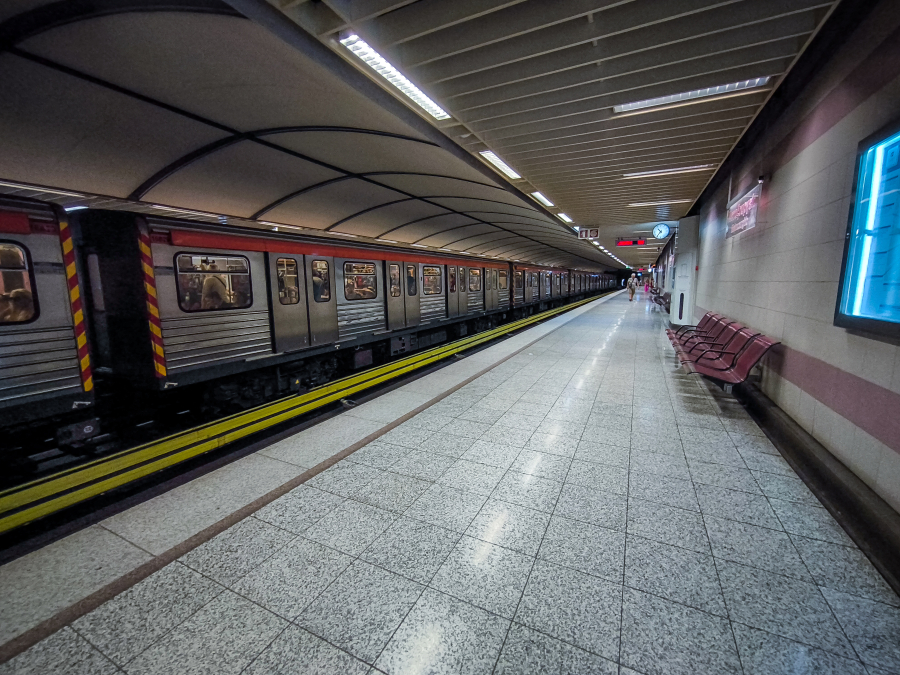
The move marks a significant expansion of the city’s transit system, aimed at improving safety and convenience for late-night travelers.
During the inaugural night of continuous operation, more than 55,000 ticket validations were recorded. The overwhelming majority—just over 52,000—came from the metro and tram, while a little over 3,000 were registered on buses. Authorities emphasized that this figure refers solely to the additional overnight hours.
Keeping the network moving required a large coordinated effort. On the rail side, nearly 300 staff were on duty, including drivers, stationmasters, supervisors, traffic coordinators, security personnel and technical staff. Metro trains ran every 15 minutes, trams every 25, with dozens of extra services scheduled across the night. Meanwhile, the city’s bus operator put 90 vehicles into circulation, supported by more than 50 employees ranging from drivers to mechanics.
No major incidents were reported during the night, a point highlighted by officials as evidence that the new service can operate smoothly and safely. In total, more than 330 transport workers staffed the system during the premiere of Athens’s first official 24-hour public transport service.
Security was a central focus. Alongside the regular presence of the Hellenic Police, 18 specially trained officers were deployed under the “Ariadne” program, conducting targeted patrols at stations, on trains and across bus routes throughout the night. Government representatives underscored that the new service is not only about convenience, but also about ensuring that young people and other late-night passengers can return home safely.