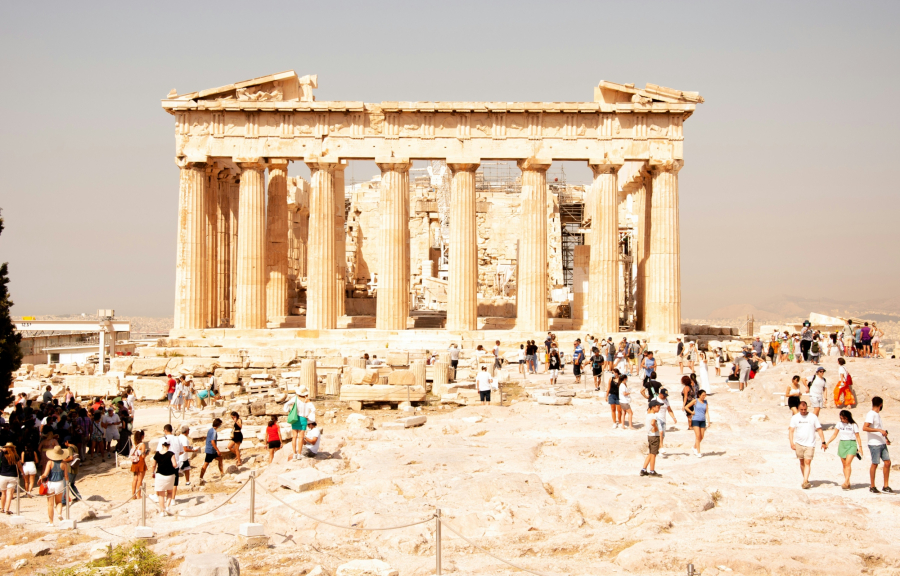
As the peak of August fades, Greece closes another record-breaking tourist season, with arrivals and revenues once again reaching impressive highs. The country has solidified its status as a global travel brand, rivaling Spain, Italy, and France, while drawing in ever wealthier visitors. Yet behind the headlines of success lies a more complex reality—one that raises questions about who truly benefits from Greece’s tourism boom and whether the model can endure.
For many Greeks, the cost of enjoying their own country has become prohibitive. Skyrocketing prices in accommodation, dining, and ferry transport have pushed summer holidays beyond the reach of middle-income households. Families who only a few years ago could comfortably spend two weeks in the Cyclades or Dodecanese now struggle to afford even a few days. What was once a shared cultural ritual—the Greek summer as a collective experience—is slipping away.
Much of this change is driven by the rapid spread of short-term rentals like Airbnb. The large-scale conversion of homes into tourist properties has drained housing supply for locals and sent rents soaring, affecting both permanent residents and domestic travelers seeking affordable stays. Combined with relentless international demand, prices continue to climb irrespective of the quality of services offered.
The result is not just economic but social. Increasingly, Greeks feel like outsiders in their own landscapes, as beaches, villages, and islands are transformed into enclaves for high-spending tourists. The image of the Greek summer—ferry rides, simple seaside tavernas, camping by the shore—fades into memory, replaced by an atmosphere of exclusivity that fosters cultural and social alienation.
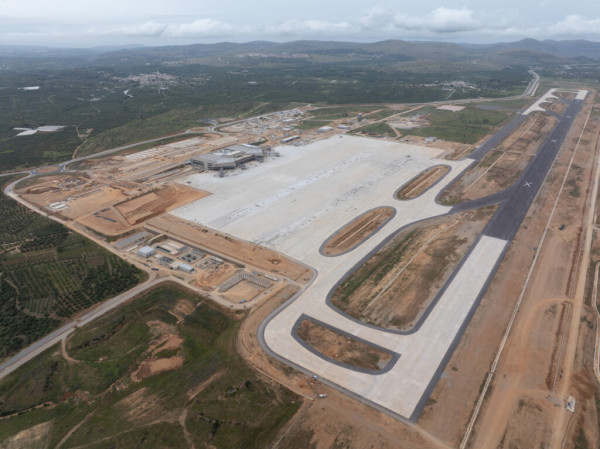
Meanwhile, the country’s infrastructure is straining under the weight of mass tourism. Airports, ports, roads, power grids, water supply, and waste systems buckle under the seasonal surge. On many islands, the limits of carrying capacity have been breached, eroding the visitor experience and threatening long-term appeal.
The consequences of overtourism are also becoming visible. Mykonos and Santorini have long been cautionary tales of saturation, but this year smaller destinations such as Symi, Paxos, and Naxos faced crushing pressure. Local ecosystems and traditions risk being sacrificed in the pursuit of profit, as islands edge closer to becoming “tourist parks” cut off from their own communities.
The dilemma Greece faces is clear: tourism must remain a cornerstone of the economy, but not at the expense of social cohesion, accessibility for its own citizens, and the preservation of its fragile natural and cultural heritage. Without a course correction, the very qualities that make Greece unique could be eroded, leaving the country with little more than the memory of its once-iconic summers.