

The European Public Prosecutor’s Office (EPPO) has launched an investigation into Greece’s recycling “multi-centers,” with particular scrutiny on the company TEHAN, which has managed and operated them. The inquiry comes amid concerns about how European Union funds were spent, raising broader questions about transparency and oversight in the country’s waste management sector.
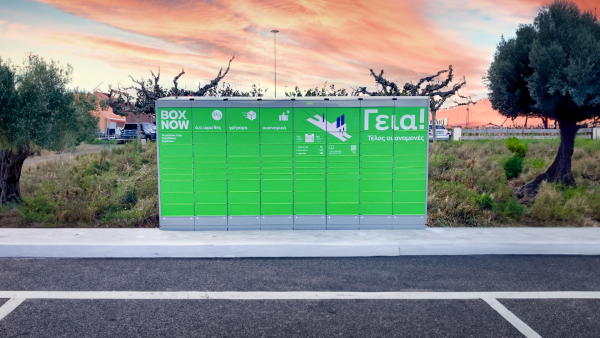
The recycling centers—shipping containers fitted with machines to process plastic, glass, and metal—were financed over the past three years through the EU-backed Transport, Environment and Sustainable Development program. Plans called for 130 units in the Athens region, 58 in the Peloponnese, and 60 in Crete, filling gaps not covered by Greece’s existing blue-bin system or other recycling schemes. But doubts quickly emerged about whether the centers were achieving their stated purpose.
Allegations of tailor-made tenders and irregular contracts triggered an initial audit in 2023. In September 2024, Greece’s Fiscal Audit Committee issued a report highlighting major procedural flaws, demanding the return of €2.9 million in EU funds, and recommending reforms for local waste authorities and the managing body of the EU program.
A second audit, published in August 2025, found that while the machines were technically operational, the system remained plagued by weak monitoring and unreliable reporting. TEHAN’s contract with the Attica regional waste authority had officially expired at the end of 2023 but continues to be implemented without formal renewal or meaningful oversight.
One of the most contentious issues is data reporting. TEHAN declared roughly 6,600 tons of waste collected in Athens and 400 tons in the Peloponnese in 2023, claiming nearly 90 percent was “non-packaging” material. On-the-ground inspections, however, suggested most of the waste was in fact packaging—items that, under EU law, should be recycled at the expense of producers, not taxpayers. This discrepancy has cast serious doubt on the reliability and legality of the company’s declarations.
Further concerns stem from the absence of proper tracking software until 2024, the late publication of municipal-level data in mid-2025, and the lack of transparency over what happens to the materials once collected. In Athens alone, 22 of the planned centers have yet to be installed.
The two audit reports also contain inconsistencies. The first flagged an unlawful contract between the Attica waste authority and another recycling company, recommending its cancellation. The second made no mention of that contract, focusing only on TEHAN, and reached a different conclusion about machine compliance.
EPPO’s investigation will now determine whether EU funds were misused and whether Greece may be required to return money. The case has become a test not only of how EU resources are managed but also of the credibility of Greece’s environmental governance.