
Greece has introduced a sweeping new regulatory framework for horse-drawn carriages and other animal-powered vehicles, tightening rules that apply nationwide and reshaping a form of transport that, in some places, is still part of everyday life. The decision, issued by the Ministry of the Interior and published in the official government gazette, lays out strict conditions for licensing, driver eligibility, animal welfare and vehicle safety.
Under the new regulation, permits for animal-drawn vehicles will be issued by local municipalities and will specify precisely where each vehicle is allowed to operate. Licenses will be valid for up to three years, will be personal and non-transferable, and must be reissued if ownership changes. The rules also introduce age limits that have drawn particular attention: drivers must be no older than 70, while horses and other equines must be between four and 20 years old.
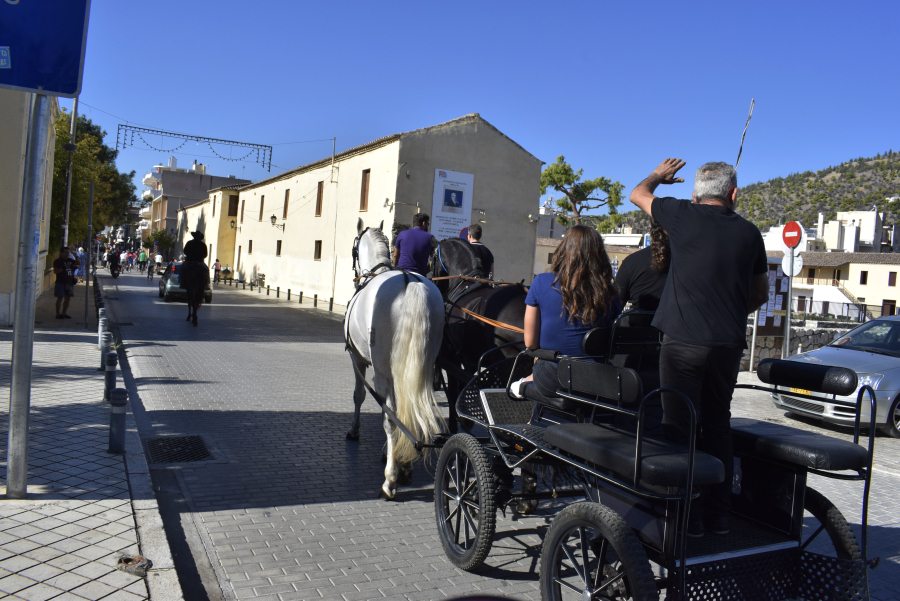
While the measures are designed to improve road safety and strengthen protections for animals, they are already prompting concern in areas where horse-drawn transport is not a tourist novelty but a practical necessity. One of the most striking examples is Spetses, a small island near Athens where cars are largely restricted and horse-drawn carriages remain a core means of moving people and goods. For decades, they have served residents as much as visitors, forming part of the island’s social fabric and local economy.
On Spetses, many professional carriage drivers are over the age of 70, reflecting both the longevity of the profession and the lack of younger replacements. The new age limit raises questions about how the island’s transport system will function if experienced drivers are forced to step aside, potentially disrupting daily routines and livelihoods.
Beyond age requirements, the regulation introduces a comprehensive list of documents needed to obtain a license. These include third-party liability insurance, a medical certificate confirming the driver’s fitness, safety certifications for the vehicle, and official identification papers for the animals. The rules also address extreme weather conditions, explicitly banning the operation of animal-drawn vehicles during periods of very high temperatures, with strict penalties for violations.
The decision, signed by Interior Minister Theodoros Livanios, replaces a framework that had been in place since 2002. Its nationwide scope reflects an effort to standardize practices and respond to growing scrutiny over animal welfare and public safety. Yet for places like Spetses, the new rules are testing whether a traditional transport model can survive under modern regulatory pressures.