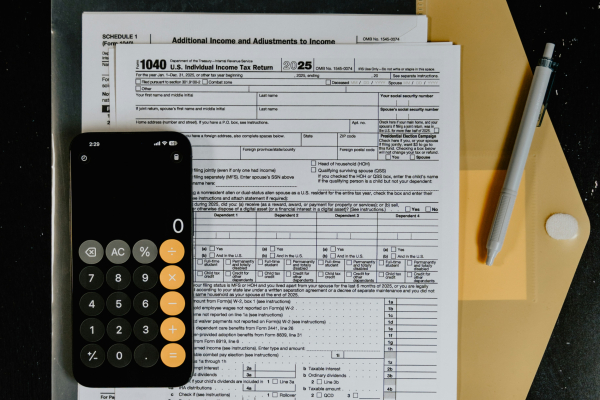
Greece is introducing a new penalty tax on residential properties held vacant by banks and loan-servicing companies, under a decision published in the Government Gazette. The measure, part of the country’s broader housing policy, provides for a doubling of the main ENFIA property tax on certain homes and will be in force from 2026 through 2028.
Under the new framework, a surcharge equal to 100% of the main ENFIA tax will be imposed on apartments and single-family homes owned by credit institutions, companies that have purchased loan receivables, credit servicing firms, as well as legal entities that are directly or indirectly linked to them through ownership, management or control. In practical terms, this means that qualifying residential properties held by these entities will face double taxation under ENFIA if they remain unused.
The regulation includes an important exemption aimed at encouraging the use of housing stock. Properties that were legally leased for at least six months during the year preceding the tax assessment will not be subject to the surcharge, provided that the lease has been properly declared in the tax authority’s electronic systems.
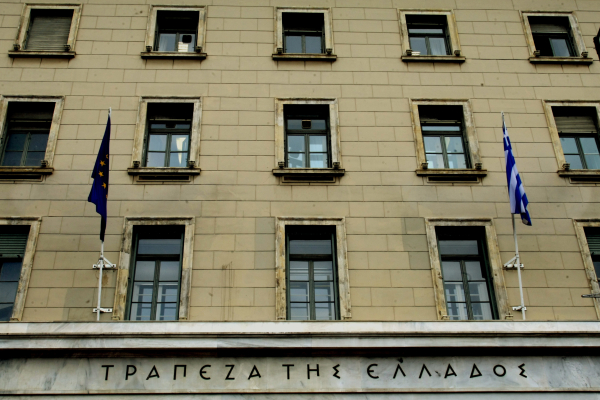
The additional tax will be calculated automatically through the central ENFIA assessment process, with affected properties clearly identified in the tax notice. To determine which entities fall under the measure, the Independent Authority for Public Revenue will cross-check data from the Bank of Greece, which supervises banks and loan servicers, with information already held in its tax databases. The framework also allows for a revised tax assessment if new information comes to light after the initial calculation.
If the surcharge is imposed in error, taxpayers have the right to request a reassessment by submitting supporting documentation showing that the conditions for the penalty tax are not met. When such a request is accepted, a new tax assessment is issued. If it is rejected, the decision must be justified and the taxpayer retains the right to file an administrative appeal.
In practice, a bank that owns an apartment which remained vacant throughout the previous year will see its ENFIA bill double. For example, a property with a main tax of €1,200 would ultimately be taxed €2,400. By contrast, a loan-servicing company that leased out a single-family home for at least six months during the same period would pay only the standard ENFIA, even if the main tax amounts to €1,500, as long as the lease was properly declared. Where an affiliated legal entity owns multiple properties, the surcharge will apply only to those that are residential and remain unleased, while rented properties will continue to be taxed under the normal regime.