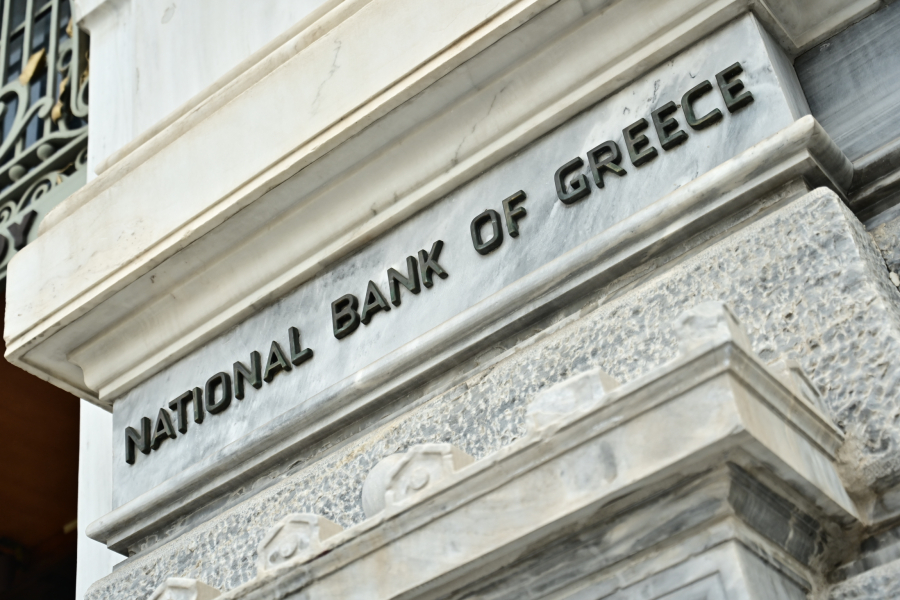
In 2025, Greece’s four systemic banks—Eurobank, Piraeus Bank, National Bank of Greece and Alpha Bank—generated approximately €2.44 billion in net fee and commission income. This marks an increase of about €500 million compared with the previous year, translating into growth of more than 25% in absolute terms.
Importantly, this expansion was not driven by everyday retail banking charges, but by higher value-added activities that gained momentum over the course of the year. Lending, particularly to corporate clients, emerged as the primary source of growth, as strong credit expansion led to higher fees from loan disbursements, restructurings and related services. Transaction banking also made a growing contribution, with revenues from payments, cash management, trade finance and other corporate services rising alongside higher transaction volumes.
Another key growth area was asset management and investment products. Fees from mutual funds, managed portfolios and investment advisory services increased sharply, supported by strong inflows, an expanding customer base and intensified cross-selling. National Bank of Greece stood out in this segment, recording a 70% year-on-year increase in fees from investment products.
ΔΙΑΒΑΣΤΕ ΕΠΙΣΗΣ


Bancassurance and insurance-related activities also contributed meaningfully, particularly for banking groups that strengthened or expanded their presence in this field, generating recurring commission income from insurance product sales. At the same time, wealth management services and the servicing of high-net-worth individuals delivered additional fee growth.
At the bank level, Eurobank increased its net fee and commission income by 15.7% year on year, reaching €770 million in 2025 from around €665 million in 2024—an increase of more than €100 million. Piraeus Bank recorded even stronger growth, with fee income rising by 26% to €696 million. In absolute terms, this represented more than €140 million in additional revenue, with fees now accounting for roughly 26% of the bank’s total net income.
National Bank of Greece posted net fee income of €469 million in 2025, up from €427 million a year earlier, an annual increase of 9.8%, or about €42 million. The sharp rise in investment product fees was reinforced by cross-selling, which helped the bank significantly expand its market share in mutual funds over the past two years. Alpha Bank also reported strong growth, with fee and commission income increasing from €422.3 million in 2024 to €501.3 million in 2025, a rise of nearly 19%. As a result, fees accounted for 23% of the group’s total revenues, underscoring a broader diversification of income sources.
The strength of this performance is particularly notable given the regulatory and policy environment in Greece. Over the past two years, authorities have introduced extensive measures to curb everyday banking charges. Fees for cash withdrawals from ATMs operated by other banks participating in DIAS—the country’s interbank payments and clearing system—were abolished, as were charges for withdrawals from ATMs run by providers in which banks hold equity stakes. In addition, a cap of €1.50 was imposed on all other third-party or non-DIAS ATM withdrawal fees, replacing charges that previously could reach or even exceed €5.
Further measures included the introduction of free cash withdrawals in areas served by only a single ATM, whether bank-owned or operated by a third-party provider, extending a regime that previously applied only to bank ATMs. Charges for balance inquiries were eliminated altogether, regardless of provider. Finally, a €0.50 cap was introduced on incoming and outgoing money transfers carried out via third-party ATMs, aligning these fees with those already applicable to transfers executed directly through banks.