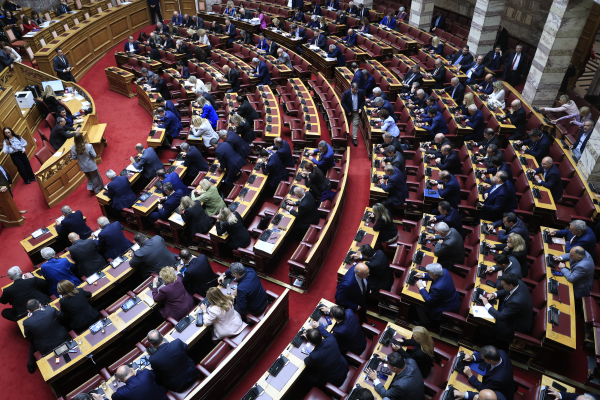
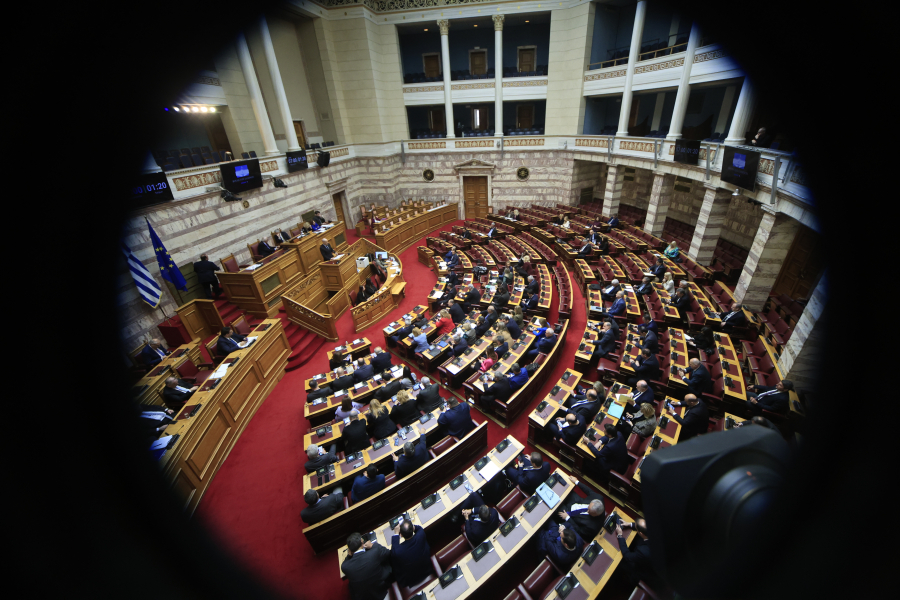
Greece’s annual political wealth disclosures have once again exposed the striking financial contrasts inside Prime Minister Kyriakos Mitsotakis’s cabinet, with multimillion-euro incomes, seven-figure bank deposits and sprawling property portfolios laid bare in the latest round of mandatory “Pothen Esches” filings. The disclosures, published Monday by the Hellenic Parliament’s asset audit committee, cover the 2024 financial year and include declarations from ministers, lawmakers, mayors and regional governors.
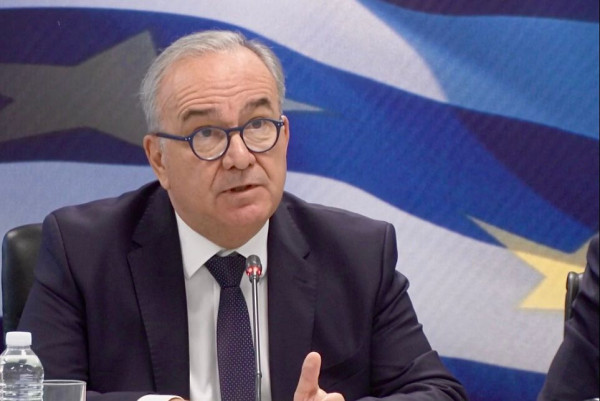
While the filings are a routine transparency exercise in Greek politics, they are closely watched each year for what they reveal about the personal finances of the country’s political elite. This year, Development Minister Takis Theodorikakos emerged as the wealthiest member of the government by both income and liquid assets, declaring earnings of €1.68 million and bank deposits exceeding €2 million. The bulk of the income stemmed from the sale of three properties in southern Greece’s Laconia region, transactions that brought in more than €1.6 million.
Defense Minister Nikos Dendias reported the second-highest income in the cabinet, at €1.24 million, followed by Shipping Minister Vasilis Kikilias with nearly €1 million in earnings. Environment and Energy Minister Stavros Papastavrou declared income of €760,000, but also topped the list for liabilities, reporting more than €532,000 in loans and credit card debt.
The filings also highlighted the scale of financial holdings accumulated by several senior ministers. Digital Governance Minister Dimitris Papastergiou declared deposits of more than €1.5 million, while Labour Minister Niki Kerameus reported savings exceeding €1.37 million. Tourism Minister Olga Kefalogianni and Social Cohesion Minister Domna Michailidou each declared more than €1 million in bank deposits.
Migration Minister Thanos Plevris reported the government’s largest real estate portfolio, with ownership stakes in 29 properties. Several other ministers also declared extensive holdings, underlining the substantial property wealth concentrated within Greece’s political class.
The disclosures come as Greeks continue to grapple with a prolonged cost-of-living crisis, stagnant wages and housing affordability pressures, issues that have increasingly sharpened public scrutiny of political privilege and wealth accumulation. Although the “Pothen Esches” framework was introduced as an anti-corruption measure aimed at tracing politicians’ sources of wealth, critics have long questioned whether the system provides meaningful oversight beyond formal disclosure.