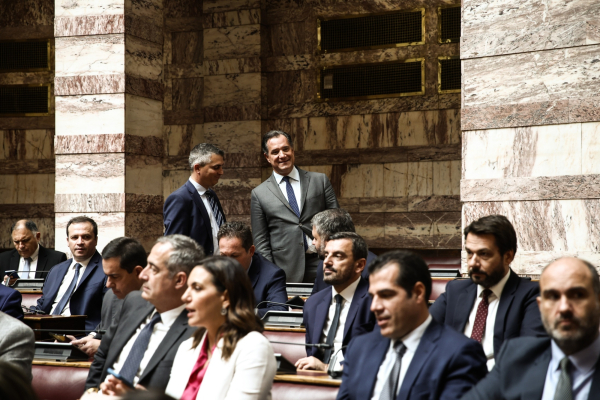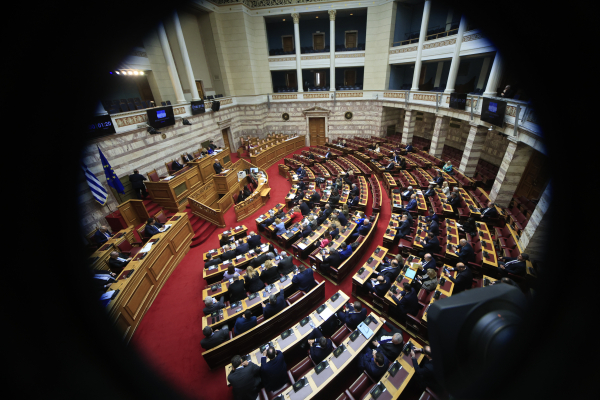
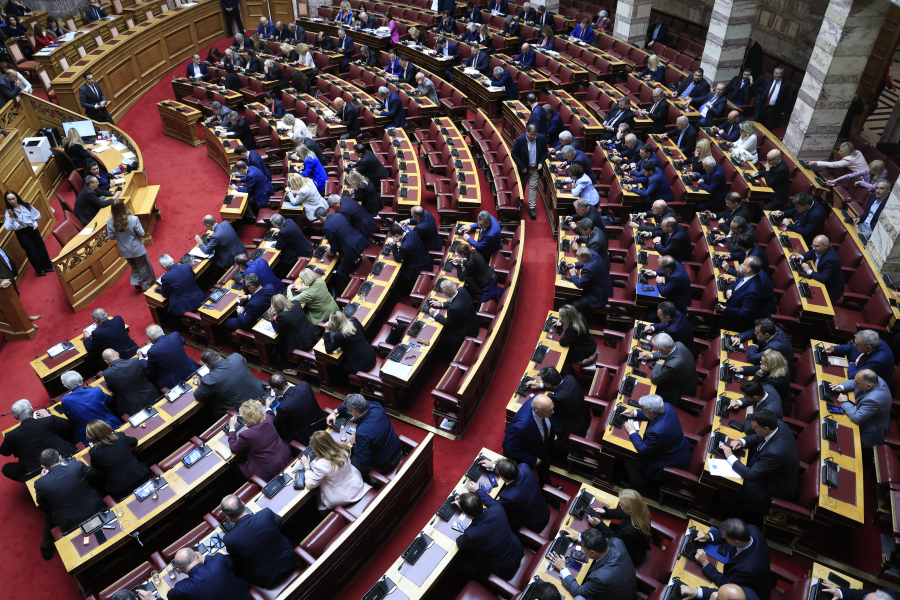
Greece’s parliament voted on Wednesday to lift the immunity of 13 lawmakers from the ruling New Democracy party, clearing the way for further investigation into their alleged involvement in a case tied to the country’s farm subsidies agency, OPEKEPE, after new files were transmitted by the European Public Prosecutor’s Office.
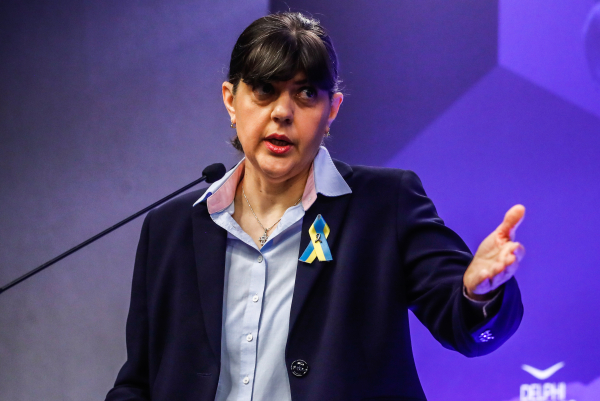
The decision, approved by large majorities across the board, marks a significant escalation in a politically sensitive case with both domestic and European dimensions. The probe centers on the management of EU agricultural funds, placing it under the jurisdiction of the bloc’s chief prosecutor, Laura Codruța Kövesi.
Lawmakers overwhelmingly backed the lifting of immunity in all 13 cases, though the vote counts varied slightly. In most instances, only two MPs voted against, with near-unanimous support otherwise.
Minor deviations emerged in a handful of cases, including that of former justice minister Charalambos Athanasiou, who recorded one abstention alongside two negative votes, and ex-agriculture minister Kostas Tsiaras, where one fewer MP participated.
According to parliamentary sources, some of the dissenting votes may have come from MPs named in the case files themselves. Katerina Papakosta is reported to have supported the lifting of her own immunity but not that of others, while an independent lawmaker, Konstantinos Floros, also voted against in certain cases.
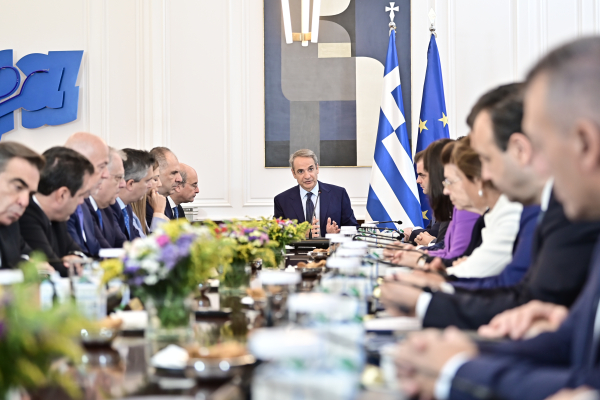
Despite the high-profile nature of the proceedings, the tone inside parliament was largely defensive. All 13 MPs insisted they had acted within their official duties and denied any wrongdoing or financial damage to either the European Union or the Greek state. Their stance aligned with guidance from Prime Minister Kyriakos Mitsotakis, who had encouraged those implicated to proactively seek the lifting of their immunity.
Still, the session exposed political tensions over the role of European prosecutors in Greece. While most of the lawmakers avoided direct criticism, Athanasiou openly accused Greek delegates working with the European Public Prosecutor’s Office of overreach, highlighting unease within parts of the governing party.
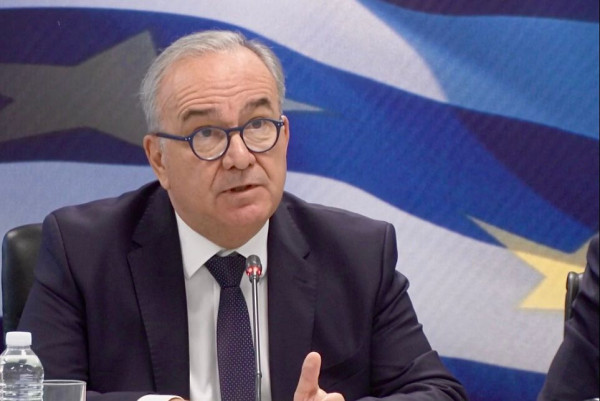
Several notable absences also drew attention. Notis Mitarakis declined to take part in the vote, arguing it would be inappropriate to vote on a case in which he is personally named, even as he supported the lifting of his immunity. Former prime minister Antonis Samaras was also absent, along with a small number of MPs from across the political spectrum.
The debate took on a sharper political edge during interventions by party leaders. Former transport minister Kostas Karamanlis, one of those implicated, suggested that scrutiny directed at him — including over Greece’s deadly Tempi train crash — was amplified by the political legacy of his family name. His remarks were met with sharp criticism from opposition figures, including Zoe Konstantopoulou, who mocked his claims of innocence.
Meanwhile, Kyriakos Velopoulos, leader of the Greek Solution party, framed the controversy as a broader institutional clash, arguing that the government’s real problem lies not with the investigation itself but with its lack of influence over the European prosecutor.
The Mitsotakis government is now seeking to contain the political fallout while signaling cooperation with judicial authorities. Justice Minister Giorgos Floridis said Athens will introduce legislation within weeks aimed at speeding up judicial proceedings involving political figures named in case files — a move he said had been positively received by Kövesi during a meeting earlier on Wednesday.
While Floridis dismissed suggestions that Greece’s constitutional framework was discussed as an obstacle to investigations, the case is likely to keep tensions simmering between national political actors and EU-level prosecutors, particularly as scrutiny intensifies over the handling of European funds.