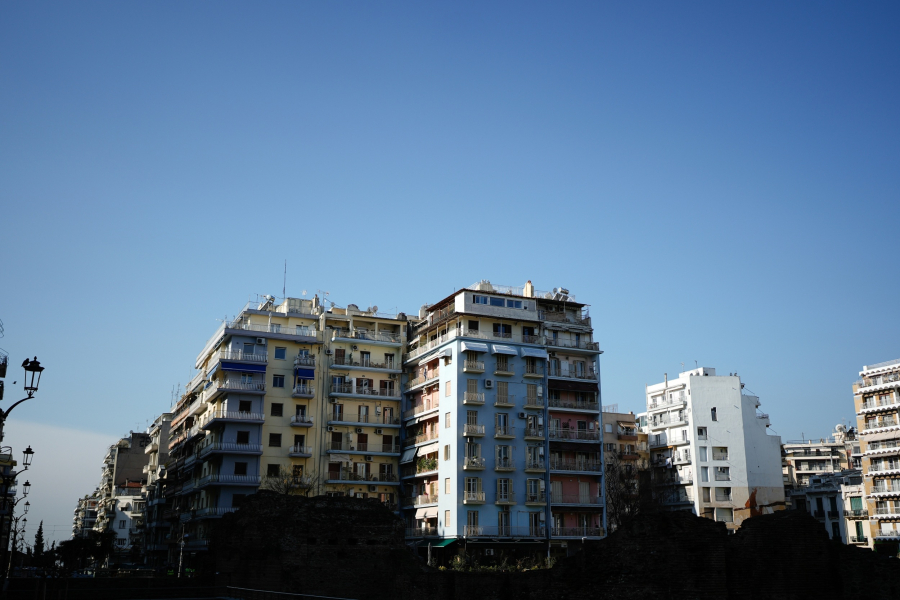
For many apartment owners, replacing windows, installing solar panels or enclosing a balcony may seem like straightforward home-improvement projects. In multi-unit residential buildings, however, such changes can quickly become the source of legal disputes with neighbors and co-owners.
The question at the center of many conflicts is simple: How much freedom does an apartment owner have to modify their property without obtaining the approval of other owners in the building?
In most jurisdictions that recognize shared ownership structures, owners are generally free to carry out renovations within the boundaries of their private apartments. Interior painting, flooring replacement and routine repairs typically do not require the consent of neighbors, provided the work does not affect common areas, alter the building’s exterior appearance or interfere with the rights of other residents.
The situation becomes more complicated when planned renovations extend beyond the apartment itself or affect parts of the property considered common or jointly owned.
ΔΙΑΒΑΣΤΕ ΕΠΙΣΗΣ



Window replacements offer a common example. If new frames match the existing design, materials, dimensions and color scheme, disputes are rare. Problems can arise when changes alter the building’s façade, potentially affecting the uniform appearance of the structure and triggering restrictions contained in building regulations or ownership agreements.
Exterior modifications are often among the most sensitive issues in residential communities. Changes to façade colors, the installation of awnings or the addition of structures visible from the street can become points of contention because they affect the appearance of the building as a whole rather than a single unit.
Balcony enclosures are another frequent source of disagreement. Glass or aluminum structures added to open balconies can significantly alter a building’s exterior and, in some cases, raise zoning, planning or ownership concerns. Similar considerations often apply to pergolas, canopies and other permanent outdoor additions.
Rooftops represent an even more complex area. Because roof terraces and rooftops are commonly classified as shared property, individual owners typically cannot undertake construction projects or make significant alterations without broader approval. Even owners granted exclusive use of rooftop space may not have unrestricted authority to modify it.
The growing popularity of solar water heaters and rooftop photovoltaic systems has introduced new challenges. While such installations can improve energy efficiency and lower utility costs, they also occupy shared space and may affect access or usage rights for other residents. As a result, consultation and approval processes are often required before installation can proceed.
Similar restrictions frequently apply to open communal areas, covered parking levels, shared corridors and other spaces that serve multiple residents. The addition of storage units, parking structures, fences or utility installations in these areas generally cannot be carried out unilaterally.
Conflicts can also emerge over the routing of pipes, cables and other infrastructure through common areas. When such projects affect access, maintenance or the use of shared property, approval from fellow owners is often necessary.
Property-law specialists say that apartment owners should carefully review building bylaws and ownership agreements before launching renovation projects. While private interior improvements usually fall within an owner's discretion, modifications that affect common property, alter a building’s appearance or impact the rights of other residents frequently require consultation and, in many cases, formal consent.
As urban housing becomes increasingly dense and shared ownership arrangements more common, the line between private property rights and collective decision-making remains a recurring source of tension in apartment buildings around the world.