

From 2026, electricity charges in Greece will be reshaped under new rules introduced by the country’s energy regulator, aiming to better reflect real patterns of demand on the grid. The Regulatory Authority for Waste, Energy and Water (RAAEY) has announced revised peak demand periods, seeking to make the system more efficient, distribute costs more fairly, and encourage households and businesses to consume energy more wisely.
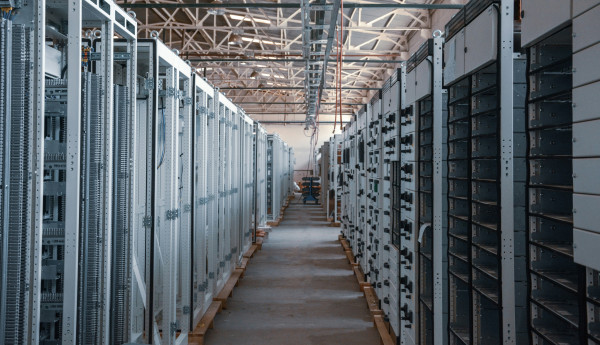
The decision is based on data collected by Greece’s grid operator ADMIE for 2023 and 2024, which shows that consumer habits have shifted significantly. Peak demand, once concentrated earlier in the evening, now extends later into the night. In the winter months, from November through January, peak hours will remain between 5 and 10 in the evening, when heating systems and household appliances drive up consumption. During transitional months such as February, March, September and October, the peak will move an hour later, lasting from 6 to 11 at night. In the summer, when the widespread use of air conditioning places heavy pressure on the grid, the period will stretch even further, from 7 in the evening until midnight.
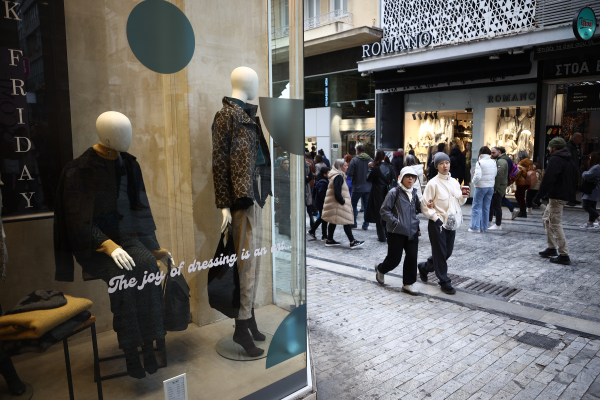
For ordinary consumers, this means that running power-hungry appliances like washing machines, ovens or air conditioners during those hours will carry greater costs. Shifting such activities to off-peak times - after midnight or early in the morning - could bring financial savings. For businesses, particularly large industries with heavy energy use, the changes are even more consequential. Network usage fees play a decisive role in their budgets, and peak hours often act as a signal to adjust production schedules in order to limit consumption when the system is under strain.
The regulator stressed that these new peak periods will apply only on weekdays, excluding weekends and public holidays, when overall demand drops significantly.