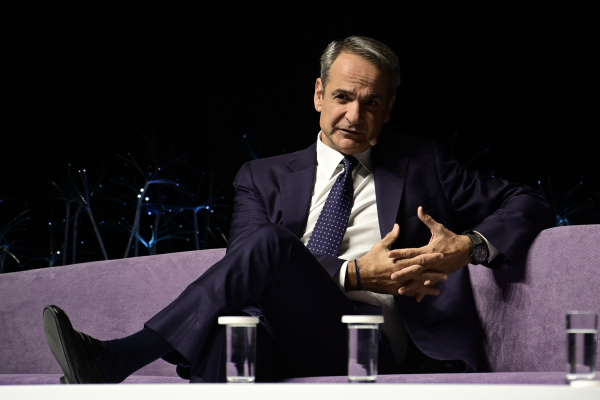
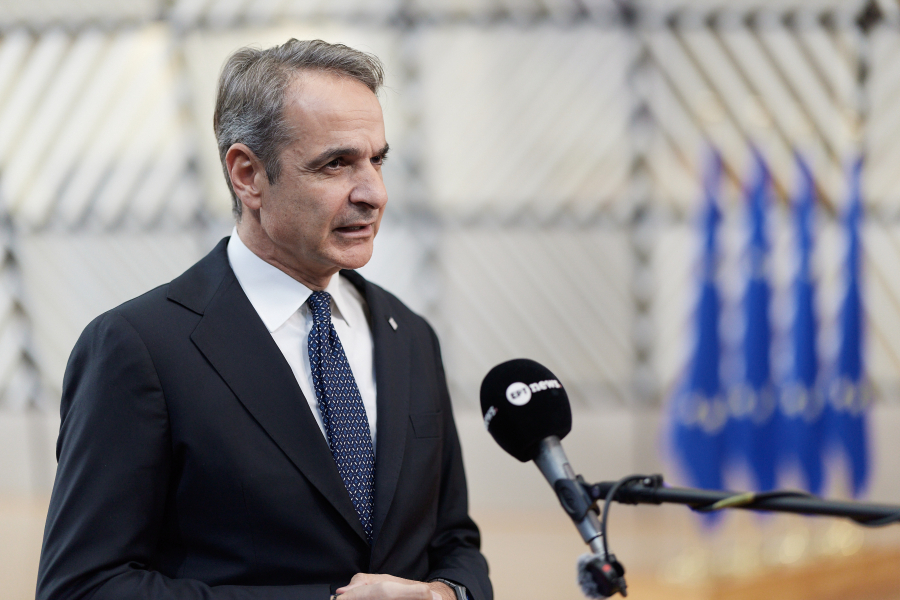
Greek Prime Minister Kyriakos Mitsotakis is racing to contain a resurgence of farmer protests that threatens to erode his conservative government’s electoral support in rural areas ahead of national elections expected in 2027.
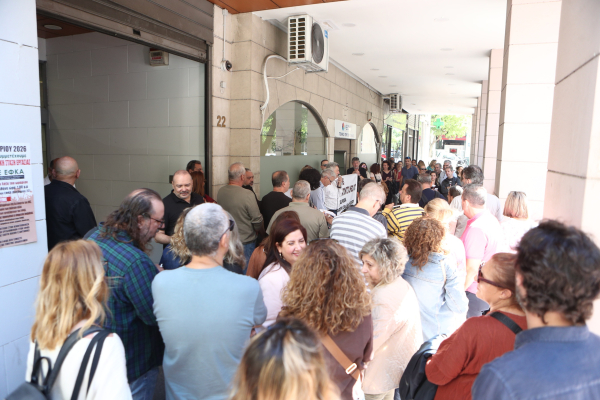
Farmers, livestock breeders, beekeepers and fishermen are preparing for a nationwide meeting on Dec. 6 in Nikaia, an agricultural community in central Greece, where representatives will discuss renewed mobilizations, including potential road blockades.
Last year’s protests lasted 58 days, catching the government off guard and drawing widespread public sympathy despite disruptions to transportation.
ΔΙΑΒΑΣΤΕ ΕΠΙΣΗΣ



This time, the government is counting on financial relief to ease tensions. Agriculture Minister Margaritis Schinas has outlined a schedule of subsidy payments beginning Nov. 30, with authorities targeting an additional €1 billion in disbursements by year-end.
But administrative bottlenecks threaten to undermine that strategy. Of the 555,000 agricultural producers who began submitting subsidy applications, only 495,000 completed them in time for the November payment.
The delays follow a scandal involving OPEKEPE, Greece’s agricultural subsidy agency responsible for distributing European Union funds. The subsequent transfer of oversight responsibilities to the country’s tax authority has complicated application procedures, according to farmers who say they are struggling with mounting liquidity shortages.
The government has also announced measures to reduce production costs, including cheaper agricultural diesel, subsidized electricity and financial assistance for fertilizer and animal feed.
Mitsotakis has accused some political parties of exploiting agricultural grievances, while protest organizers insist their movement transcends partisan divisions and is driven by concerns over economic survival.
The unrest presents an opportunity for opposition parties across the political spectrum. The Communist Party retains longstanding ties with agricultural unions, while the center-left PASOK and political movements associated with former prime ministers Alexis Tsipras and Antonis Samaras are seeking to attract disaffected rural voters.