An investigation by European prosecutors into publicly funded recycling projects in Greece is exposing systemic weaknesses in the country’s public procurement process, raising questions about the safeguards governing the distribution of European Union funds.
A freezing order issued by the European Public Prosecutor’s Office describes a series of alleged irregularities involving recycling facilities across Attica, the region surrounding Athens, the Peloponnese peninsula and the island of Crete. At the heart of the investigation is how contracts worth tens of millions of euros passed through multiple administrative and oversight mechanisms without serious concerns being identified in time.
In Attica, tender specifications were approved before the underlying procurement study had been completed. Documentation used to justify pricing referred to quotations from 15 businesses. Prosecutors say only two quotations had been submitted for the equipment in question, both from companies sharing common economic interests.
ΔΙΑΒΑΣΤΕ ΕΠΙΣΗΣ



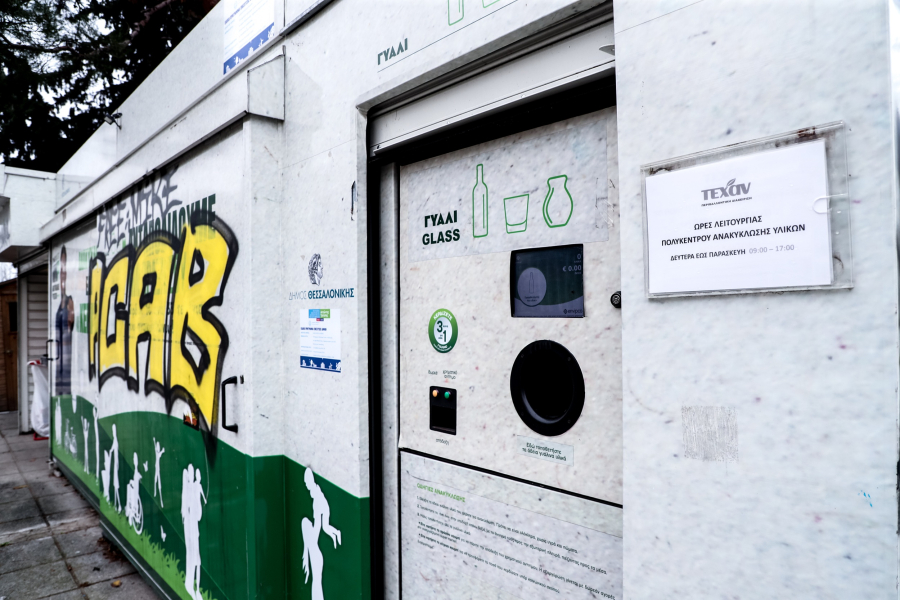
Prosecutors also allege that the equipment purchased didn't correspond to the intended purpose of the European funding program. The money was earmarked for infrastructure collecting recyclable materials other than packaging waste, yet the selected machines were designed primarily to collect packaging. Technical specifications, prosecutors say, reflected the characteristics of equipment manufactured by a particular company, potentially restricting competition.
The financial stakes were substantial. Contracts and procurement budgets covered 208 recycling stations across the three regions, with a combined value of €61.9 million before taxes. Individual machines were priced at between €294,500 and €300,000. According to prosecutors, inadequate market research resulted in prices substantially above prevailing market levels.
The investigation also highlights potential weaknesses in the separation of administrative responsibilities. In the Peloponnese, the official who recommended approval of the tender conditions for a €17.4 million procurement also chaired the committee responsible for researching market prices.
More troublingly, prosecutors describe indications of intimidation and negative publicity directed at public employees who might have obstructed the activities under investigation.