
Greece is preparing to impose sweeping penalties on cash transactions that breach legal limits, going beyond European Union requirements as authorities step up efforts to combat money laundering and restrict the use of cash in the economy.
Draft legislation implementing the EU’s sixth Anti-Money Laundering Directive would impose fines on both those making prohibited cash payments and those accepting them, according to a copy of the proposed legislation reviewed by Greek news outlet Dnews.
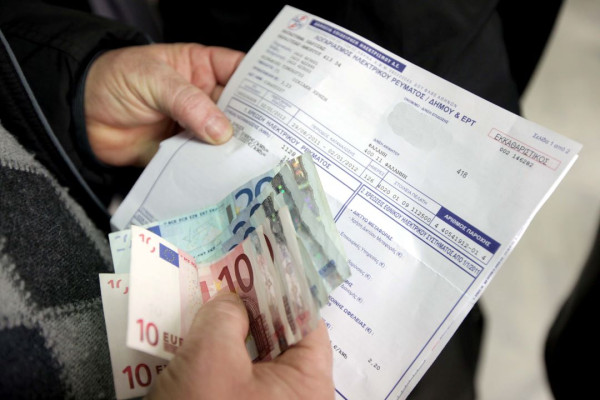
Under the proposal, each party would face an administrative fine equal to twice the amount paid in cash. The combined penalties could therefore reach four times the value of the transaction. A prohibited €2,000 cash payment, for example, would trigger a €4,000 fine for the buyer and an additional €4,000 fine for the seller. For a €5,000 transaction, the combined penalties would reach €20,000.
ΔΙΑΒΑΣΤΕ ΕΠΙΣΗΣ


Crucially, the fines would be calculated on the entire amount paid in cash, rather than just the portion exceeding the legal limit. Where existing legislation provides for a more severe penalty, the stricter sanction would apply. The proposal comes as the EU moves toward a bloc-wide €10,000 ceiling on cash payments in commercial transactions under its revamped anti-money-laundering framework. Member states, however, retain the authority to impose more restrictive limits.
Greece already operates under significantly tighter rules. Consumers are prohibited from paying in cash for goods and services costing €500 or more, while real-estate purchases must be settled through banking channels. The draft legislation explicitly preserves those restrictions, meaning the introduction of the European ceiling won't result in a relaxation of Greece’s existing rules.
It would also empower the Greek finance minister to introduce even lower cash-payment thresholds following a recommendation from the country’s anti-money-laundering strategy committee. For Greece, where successive governments have sought to curb tax evasion and bring more economic activity into the formal financial system, the proposal represents a further escalation in the drive toward traceable payments.