
Greece is tightening security requirements for banks and automated teller machines, introducing technology that can render stolen cash unusable, track banknotes and trigger silent alarms as authorities seek to curb robberies and attacks involving explosives.
Under a ministerial decree published Monday, banks will be required to equip bundles of cash held at branch counters with security devices designed to activate when the money is removed without authorization.
Depending on the technology deployed, the devices could trigger silent alarms, enable authorities to track stolen cash or destroy the banknotes, preventing criminals from using them.
ΔΙΑΒΑΣΤΕ ΕΠΙΣΗΣ


The measures form part of a broader overhaul of bank security standards ordered by Greece’s Minister of Citizen Protection, Michalis Chrysochoidis. The decree, published in the country’s official government gazette on Oct. 26, also establishes stricter requirements for bank vaults and ATMs.
Banks will have to ensure that safes are constructed from reinforced materials and equipped with time-delay mechanisms that prevent immediate access to cash, even after a safe has been unlocked.
Branches must also display notices informing customers and potential robbers that cash withdrawals from safes are subject to mandatory waiting periods.
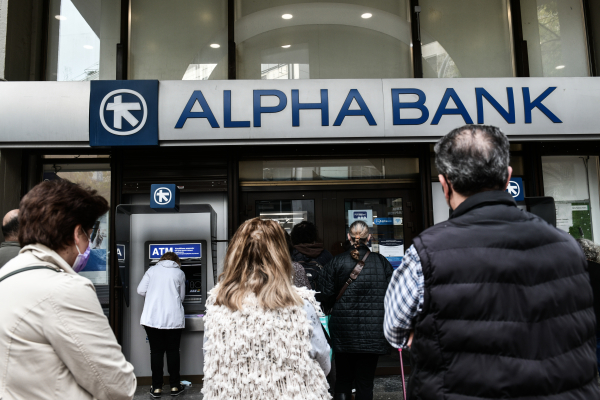
The regulations place particular emphasis on ATMs, which have been targeted in attacks involving explosives.
Banks and payment-service providers operating their own ATM networks will be required to introduce anti-explosion security systems. These may include ink-staining devices that mark banknotes during attempted thefts, smoke-generating equipment, adhesive-dispensing mechanisms and reinforced protective structures.
The aim is to make attacks less profitable by damaging or marking stolen banknotes, while increasing the difficulty of extracting cash from machines.
Financial institutions and independent ATM operators will have 12 months to install the required protective systems, although certain machines located in secured environments will qualify for exemptions.