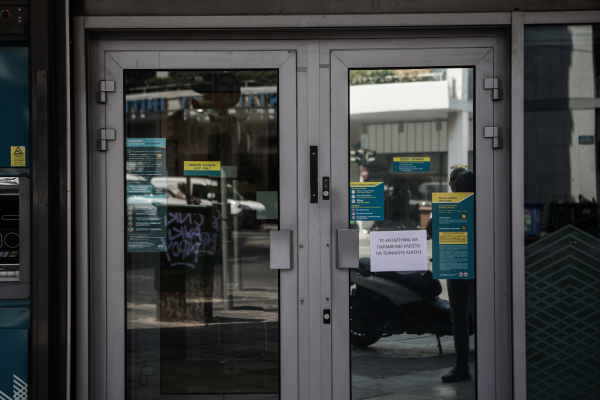
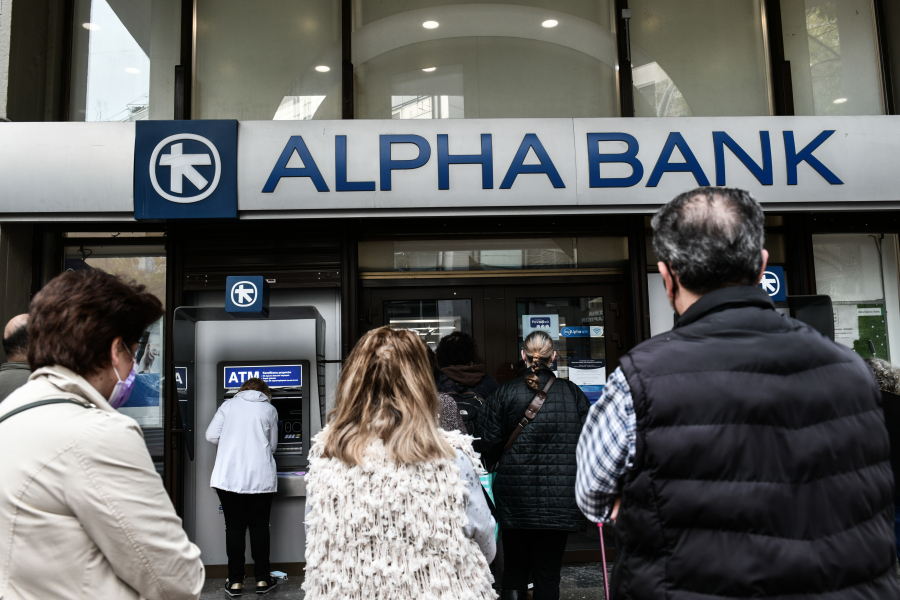
Greek banks will be allowed to refuse entry to customers whose faces are concealed or altered in ways that prevent identification, under new government regulations aimed at strengthening security at bank branches while maintaining personal-data protections.
The measures, outlined in a ministerial decision published in Greece’s Government Gazette, give financial institutions greater discretion to restrict access to individuals whose facial features cannot be clearly identified by security systems.
The decision, signed by Public Order Minister Michalis Chrysochoidis, is intended to prevent criminal activity that could endanger bank employees, customers and other people on the premises.
ΔΙΑΒΑΣΤΕ ΕΠΙΣΗΣ



Under the rules, banks may deny entry to individuals wearing face coverings or disguises that make identification difficult. The restrictions aren't automatic, however, and financial institutions must comply with other applicable legislation, including public-health requirements.
That distinction means the regulations don't establish a blanket ban on face coverings, leaving room for exceptions where their use is legally protected or required.
The decision also sets out requirements governing video surveillance at bank entrances and exits. Banks will be permitted to use cameras to record individuals entering and leaving their premises, but biometric identification and verification through those systems will be prohibited.
Recorded images must be stored in encrypted form, with access restricted to authorized personnel using security credentials.
Financial institutions will also be required to comply with the European Union’s General Data Protection Regulation, or GDPR, which establishes strict standards for collecting, storing and processing personal information.
Banks must implement appropriate technical and organizational safeguards to protect recorded data against unauthorized access or misuse.
The new framework reflects an effort by Greek authorities to balance physical security with privacy rights as financial institutions increasingly rely on surveillance technology to protect their operations.
For customers, the most immediate change will be the possibility of being refused access to a branch if security personnel determine that facial coverings prevent identification.