Greece marks one of its most significant national holidays on Wednesday, commemorating the day in 1940 when the country rejected an ultimatum from Fascist Italy, triggering an invasion that would become one of the earliest military setbacks for the Axis powers during World War II.
Known as Ohi Day, from the Greek word for “no,” Oct. 28 commemorates Greece’s refusal to surrender its sovereignty to Italian dictator Benito Mussolini, a decision that propelled the country into the war and became a defining moment in modern Greek history.
In the early hours of Oct. 28, 1940, Italian Ambassador Emanuele Grazzi arrived at the residence of Greek Prime Minister Ioannis Metaxas in Kifisia, a suburb north of Athens, carrying an ultimatum demanding that Italian forces be allowed to occupy strategic locations across Greece.
Metaxas, who headed an authoritarian government, rejected the demand. His response, reportedly delivered in French, was “Alors, c’est la guerre”—“Then it is war.”
Although he didn't literally utter the word “no,” his refusal quickly became associated with the Greek expression “Ohi,” which remains central to the country's national identity.
Hours later, Italian troops invaded Greece from neighboring Albania, then under Italian control, opening a military campaign that Mussolini expected would deliver a swift victory.
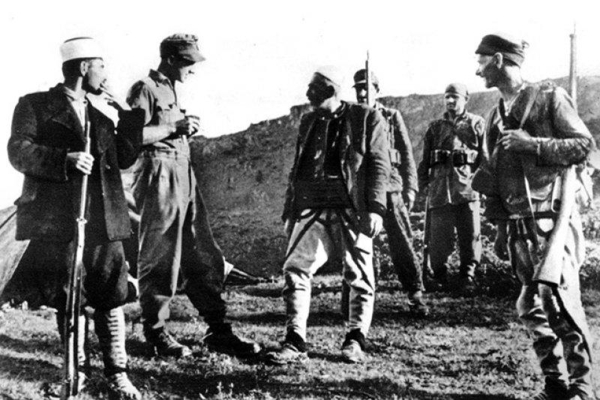
Instead, Greek forces mounted unexpectedly effective resistance, particularly in the mountainous Pindus region of northwestern Greece.
Despite Italy's advantages in military equipment and resources, Greek troops halted the offensive and launched a counterattack, pushing Italian forces back into Albania.
Within weeks, Greek forces captured several towns, including Korçë and Gjirokastër, delivering a significant blow to Mussolini's military ambitions and demonstrating that Axis forces could be defeated on the battlefield.
The Greek campaign attracted international attention and provided a morale boost to countries fighting Nazi Germany and Fascist Italy.
The conflict took a dramatic turn in April 1941, when Nazi Germany invaded Greece to support its struggling Italian ally. German forces overwhelmed Greek defenses, leading to an occupation that lasted until 1944 and brought widespread destruction, famine and civilian suffering.
Greece's wartime experience subsequently became closely associated with both the 1940 military campaign and the resistance movements that emerged during the Axis occupation.
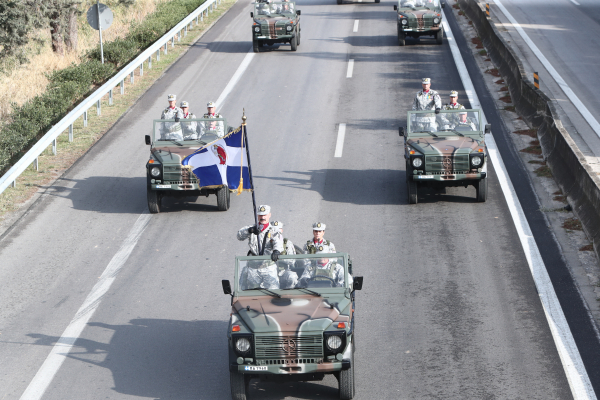
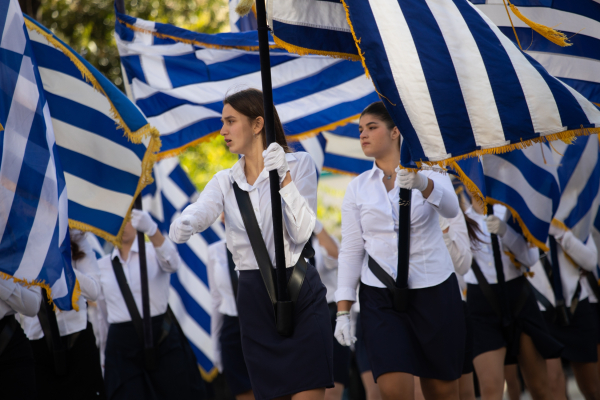
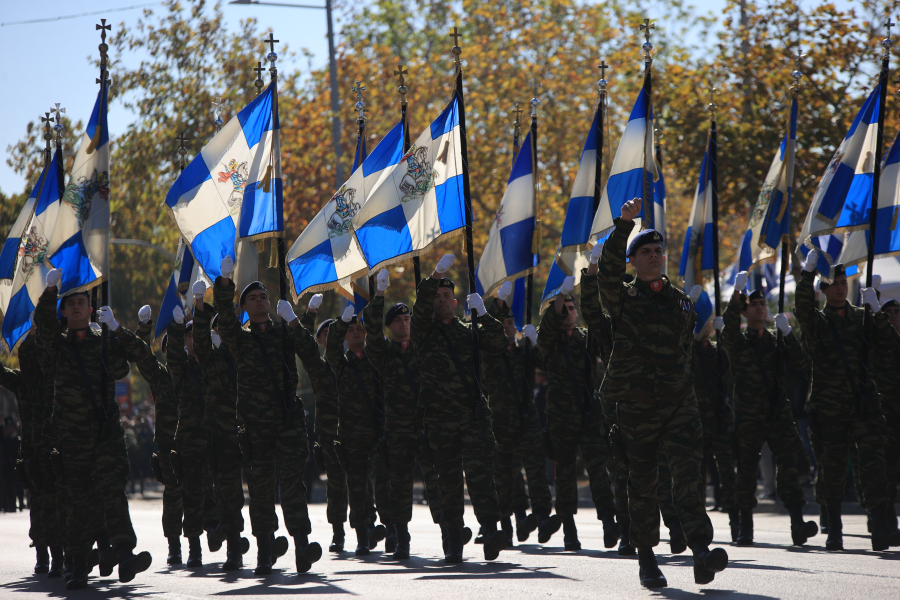
Today, Oct. 28 is a national holiday, observed with military and student parades, commemorative ceremonies and the display of Greek flags across the country.
Unlike many national celebrations that commemorate military victories or the end of wars, Ohi Day marks the decision to resist an invading power, regardless of the consequences.
Eighty-six years later, the anniversary remains a powerful symbol of national independence and collective resilience, reflecting Greece's enduring attachment to the events that shaped its role in World War II.