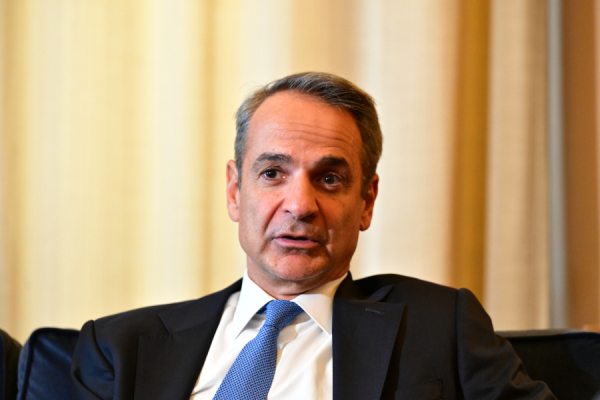
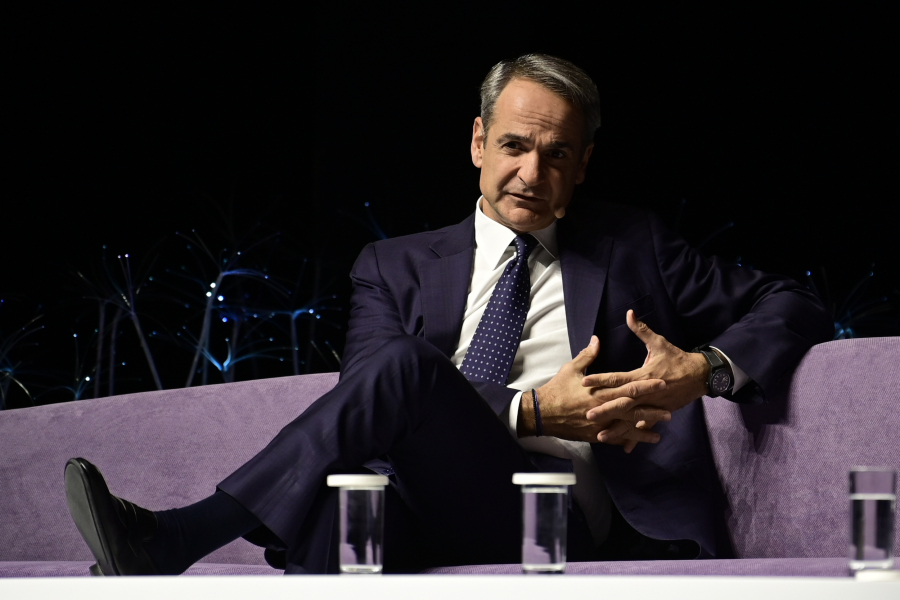
Greek Prime Minister Kyriakos Mitsotakis has pledged to raise the country’s average monthly salary to €1,800 by 2030, but European wage trends suggest that even achieving that target would leave Greek workers earning substantially less than their counterparts elsewhere in the European Union.
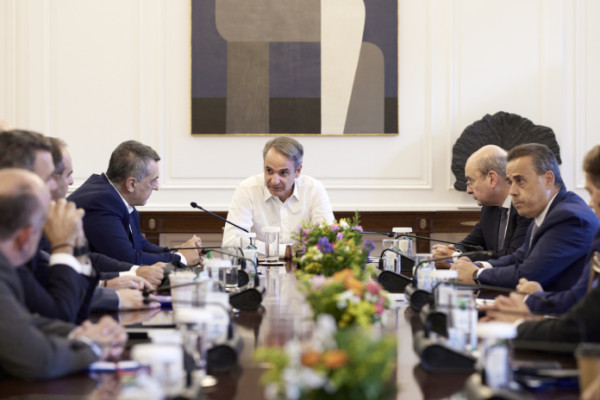
Speaking at a conference on Greece’s economic prospects, Mitsotakis acknowledged that inflation had absorbed a significant portion of nominal wage increases in recent years. He also outlined a target of maintaining economic growth above 2%. Eurostat figures, however, highlight the scale of Greece’s wage challenge.
The country’s average annual full-time adjusted salary increased 13.7% between 2022 and 2025, from €16,515 to €18,772. Over the same period, the EU average rose 16.2%, from €35,671 to €41,464. The annual pay gap consequently widened from €19,156 to €22,692, with Greek salaries declining from 46.3% to 45.3% of the European average.
ΔΙΑΒΑΣΤΕ ΕΠΙΣΗΣ


Greece also slipped from fifth-lowest to second-lowest among the 26 EU member states with available data, ahead of only Bulgaria. Poland, Hungary and Romania overtook Greece after recording substantially faster wage growth. The government’s €1,800 target would require a significant acceleration in earnings.
Based on Greece’s system of 14 annual salary payments, including holiday bonuses, the target would translate into gross annual earnings of €25,200, requiring cumulative wage growth of 34.2% from 2025 levels, or approximately 6.1% annually. But the European benchmark is also moving higher.
Assuming EU wages continue growing at their 2025 rate of 4.25% annually, average European earnings would reach approximately €51,060 by 2030. Under that illustrative scenario, Greek workers would earn nearly half the EU average, an improvement in relative terms. Yet the absolute annual pay gap would widen to approximately €25,860.