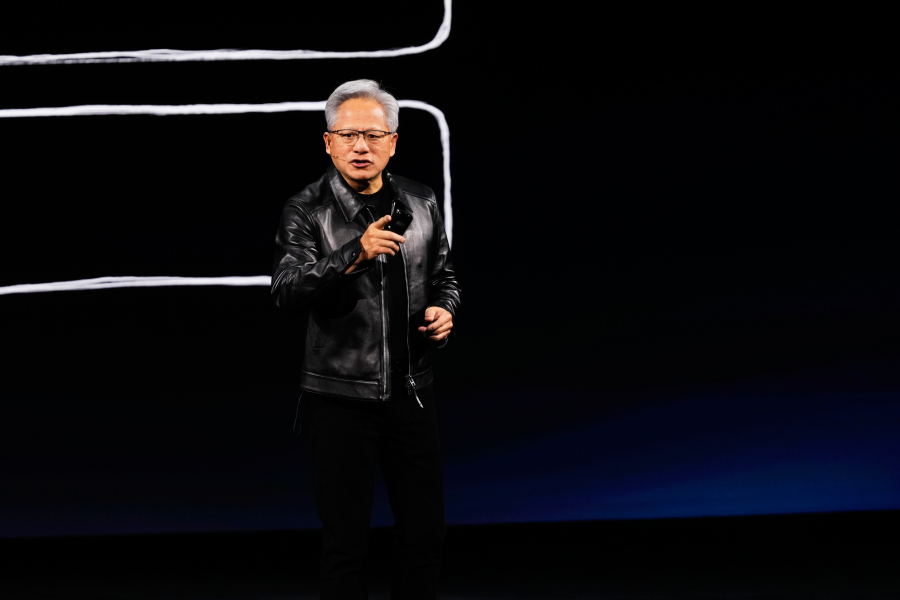
Jensen Huang’s return to the helm of Nvidia just 11 days after his resignation highlights an uncomfortable reality of modern corporate governance: The more indispensable a chief executive becomes to investors, the harder it may be for a board to enforce the rules governing everyone else.
Nvidia reinstated Huang on Monday following a unanimous board vote, reversing an earlier decision to replace him after revelations about extramarital relationships and concerns involving a Chinese businesswoman suspected of links to espionage.
The company said its directors had received assurances from senior U.S. government officials that Huang’s reinstatement posed no national-security risk. President Trump also publicly supported his return.
Yet an independent investigation into allegations that Huang was targeted by a foreign intelligence operation remains unfinished. Nvidia said the inquiry would continue. The espionage allegations haven't been established as fact.
The controversy poses a fundamental question for investors: How independent can a board remain when the company’s market value is so closely associated with one executive?
Huang, who co-founded Nvidia in 1993, helped transform the chipmaker into a central player in the global artificial-intelligence boom. His leadership has become closely identified with the company’s technological dominance and financial success.
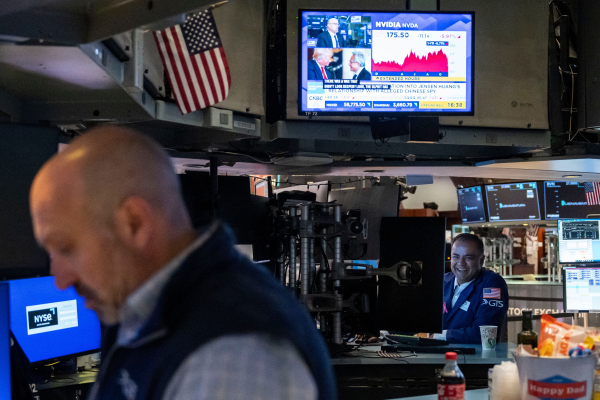
Investors welcomed his reinstatement, sending Nvidia shares sharply higher at Monday’s opening. The reaction suggests that, for many shareholders, restoring Huang’s leadership outweighed concerns about corporate oversight.
That calculation exposes tensions within environmental, social and governance investing, commonly known as ESG.
Relationships between senior executives and subordinates raise potential conflicts of interest, while suspected foreign-intelligence connections carry particular significance for a company operating at the center of U.S.-China technological competition.
Nvidia has announced additional oversight measures, including an independent national-security and export-control committee and plans to appoint a chief compliance officer.
The implications extend beyond Silicon Valley.
European regulators and institutional investors have spent years promoting stronger corporate accountability and governance standards. Nvidia’s experience raises questions about whether those principles can withstand pressure when investors believe an executive is essential to shareholder returns.