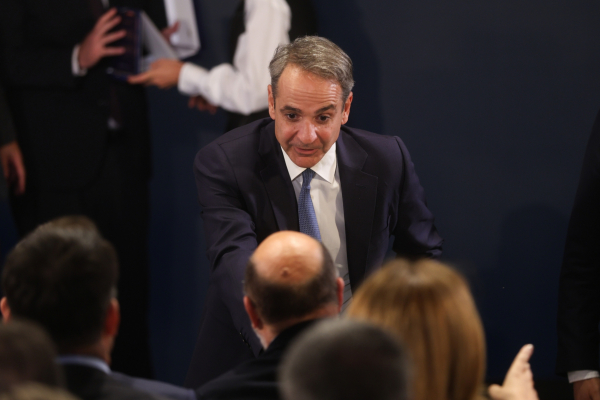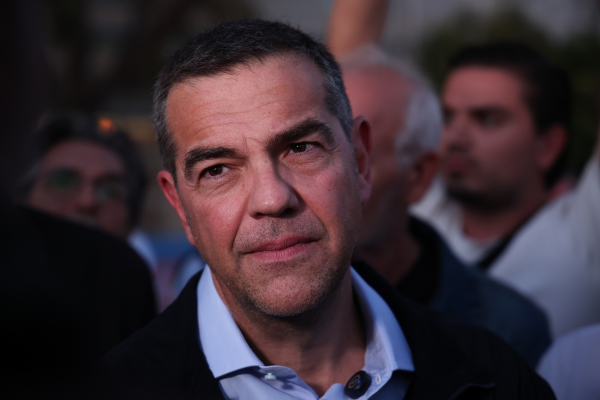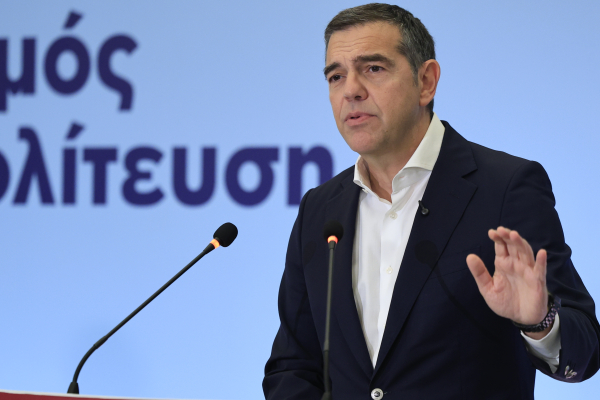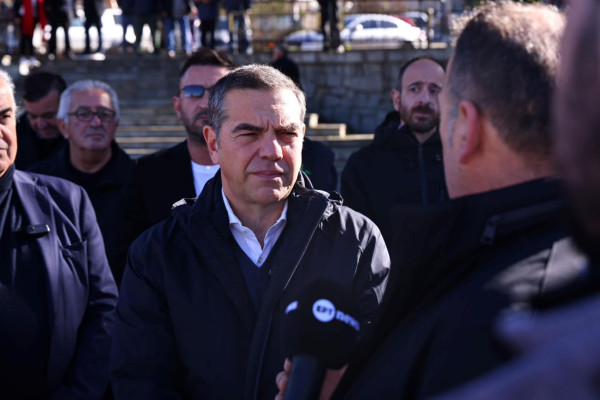
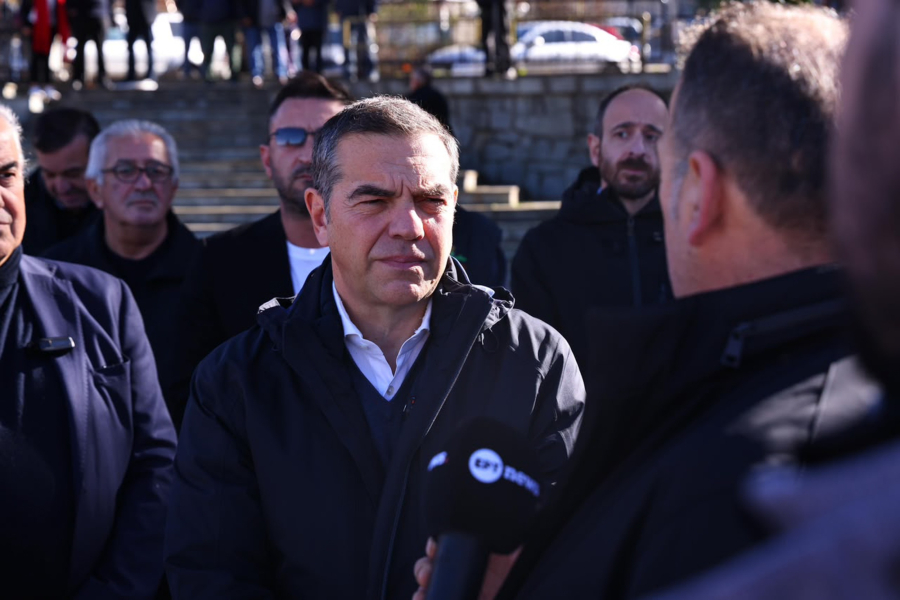
Former Greek Prime Minister Alexis Tsipras launched a blistering attack on Prime Minister Kyriakos Mitsotakis, accusing his government of widespread corruption and economic mismanagement as he sought to position his left-wing political movement as an alternative to the ruling conservatives.
Speaking Monday in Ptolemaida, a former coal-mining center in northern Greece, Tsipras described Mitsotakis as the “high priest of corruption,” alleging that government ministers and political allies had benefited from a system of centralized political power.
Tsipras, who governed Greece from 2015 to 2019 during the country's debt crisis, pointed to controversies involving agricultural subsidies, surveillance practices and the handling of the 2023 Tempi train disaster as evidence of what he characterized as systemic failures.
The allegations are political accusations, rather than established findings of wrongdoing by the prime minister.
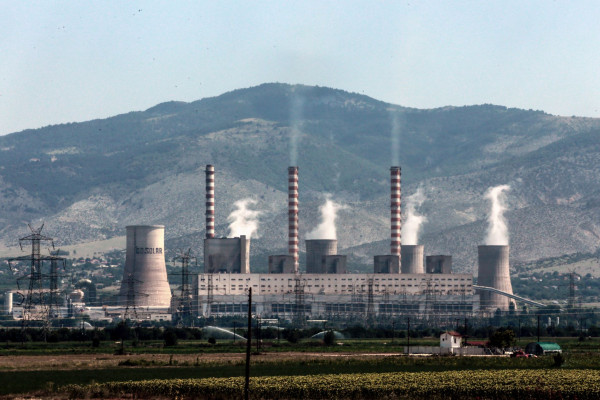
The former premier also criticized the government's energy strategy, arguing that the rapid phaseout of lignite, a form of coal historically central to electricity generation in western Macedonia, had damaged regional employment and household incomes.
“We have wages from Kozani and prices from Lausanne,” Tsipras said, contrasting local earnings with the high cost of living. Kozani is one of the region's main cities.
He accused energy companies of benefiting from insufficient competition and called for stronger regulatory intervention to address electricity prices and inflation.
Tsipras also linked alleged corruption to broader economic consequences, arguing that public resources diverted through favoritism leave less funding available for hospitals, schools and essential services.
“Corruption is not only a moral problem. It is also an economic one,” he said.
His remarks come as he seeks to build support for ELAS, a left-wing political movement aiming to challenge Mitsotakis's center-right New Democracy party.
Tsipras pledged to present a comprehensive economic reconstruction plan for western Macedonia covering 2027 through 2030, emphasizing productive investment, regional development and support for agriculture.
He also promised measures to address household living costs and strengthen competition in key sectors.
The former prime minister acknowledged shortcomings during his own administration but defended its record, describing it as exceptionally honest.