Greek lender Eurobank’s planned acquisition of Bulgaria’s First Investment Bank, known as Fibank, in a deal approaching €1 billion is set to reshape the country’s banking industry, creating its largest banking group while raising questions about market concentration, integration costs and investment returns.
The transaction would combine Fibank with Eurobank’s Bulgarian subsidiary, Postbank, significantly strengthening the Greek lender’s position in the neighboring market.
Following the merger, Bulgaria’s four largest banking groups would control approximately 76% of the market, according to Bulgarian media reports, leaving smaller competitors with limited room to expand. The country’s leading banks would also be under foreign ownership, further reducing domestic participation in the sector. The combined banks employ roughly 6,000 people and operate extensive branch networks. No detailed plans for workforce reductions or branch closures have been disclosed.
ΔΙΑΒΑΣΤΕ ΕΠΙΣΗΣ

The transaction also offers Bulgaria’s government an exit from Fibank. State-owned Bulgarian Development Bank, which holds an 18.35% stake, is expected to sell its shares through a public offer following Eurobank’s acquisition of control.
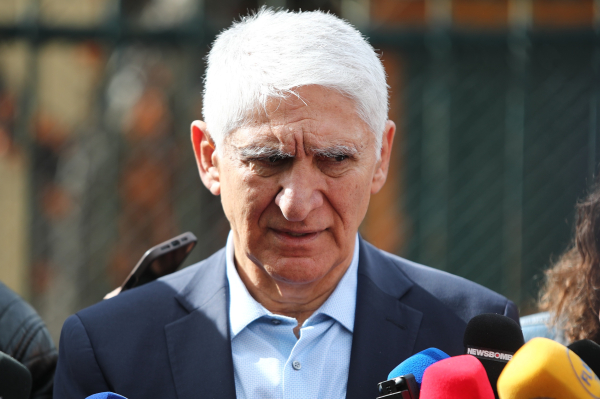
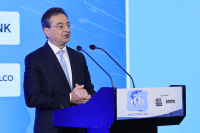
For Eurobank shareholders, however, the central question is whether the acquisition can generate sufficient returns to justify its price and a related €750 million capital increase. During an analyst briefing, Chief Executive Fokion Karavias highlighted the potential benefits of combining the two lenders, including projected annual after-tax synergies of €70 million.
That target represents approximately 55% of Fibank’s operating expenses, suggesting substantial restructuring will be required. Eurobank expects the transaction to increase net profit by 12% and earnings per share by 7%, assuming the projected synergies are fully realized. The acquisition values Fibank at 8.4 times earnings before synergies, falling to 5.3 times once anticipated savings are included. That difference underscores how heavily the investment case depends on successful integration. Credit quality presents another challenge.
Fibank’s nonperforming-loan ratio stands at 5.4%, with provision coverage of 43.6%. Its annualized credit-loss provisions total €99 million, exceeding the €92 million reported by the larger Postbank. The figures raise questions about potential additional provisions after the acquisition.