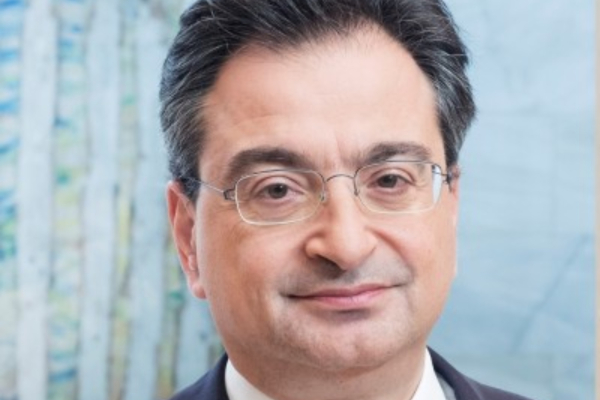
Europe’s aging population is putting unprecedented pressure on the economic bargain that has underpinned its welfare systems for decades, threatening pension sustainability, public finances and trust between generations, according to Eurobank Chief Executive Fokion Karavias.
Speaking at the Athens Investment Forum, Karavias warned that declining birthrates, longer life expectancy and a shrinking workforce are fundamentally reshaping Europe’s economic outlook, forcing governments to reconsider how retirement benefits and social protection are financed.
The numbers illustrate the challenge. People aged 65 and older now account for 22% of the European Union’s population, up from 16% at the beginning of the century. As the proportion of retirees grows, fewer workers are available to finance pensions, healthcare and long-term care.
ΔΙΑΒΑΣΤΕ ΕΠΙΣΗΣ



At stake is Europe’s postwar social contract, built on the understanding that each working generation supports its predecessors while expecting similar protection from those who follow. Karavias cautioned that the growing imbalance could deepen intergenerational tensions and undermine confidence in public institutions, particularly among younger Europeans facing heavier financial obligations. His prescription combines fiscal discipline with stronger economic growth.
Accumulating public debt to finance current spending, he argued, effectively transfers today's obligations to future taxpayers. Instead, European policymakers should focus less exclusively on redistributing existing wealth and more on expanding economic output through productivity gains and investment. Technology, infrastructure, energy and education will be critical to that effort.
Greece offers an example of the investment challenge. According to Karavias, investment is expected to reach 18.7% of gross domestic product, compared with 11% in 2019, while foreign direct investment exceeded €12.5 billion in 2025. He emphasized that a financially sound and profitable banking sector is essential to channeling capital toward productive businesses and supporting long-term growth. But economic expansion alone may not be enough.
Karavias said Europe will also need to reconsider retirement ages and pension financing arrangements as demographic pressures intensify. For Greece, he advocated expanding occupational pension funds and employer-sponsored retirement plans through tax incentives, arguing that supplementary private pension savings could strengthen the long-term sustainability of the country's retirement system.