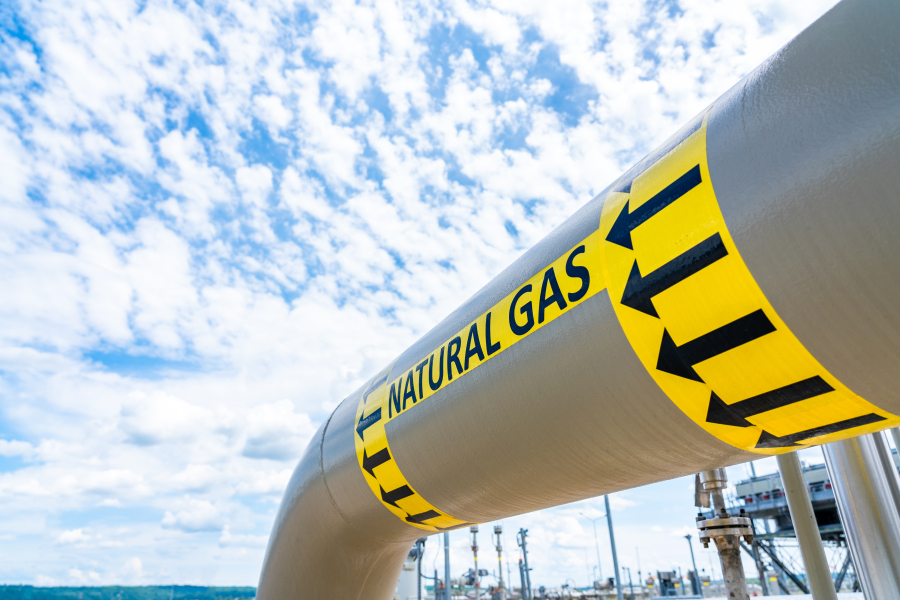
Greece faces a potential new energy shock as European natural gas prices have surged more than 42% in a month, raising concerns about higher electricity bills, renewed inflation and mounting pressure on businesses in an economy heavily dependent on imported energy.
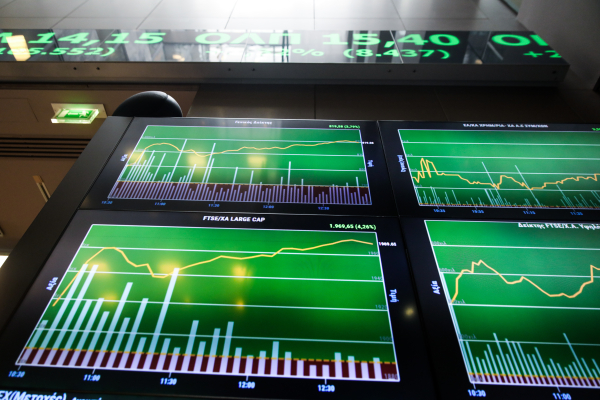
Natural gas prices at Europe's benchmark Dutch TTF hub reached €103 ($120) per megawatt-hour, up 42.35% from €72.36 on September 30. The October average stood at €85.94, based on 21 daily observations, highlighting the speed of the increase.
For Greece, sustained high prices could have consequences across four critical areas: household electricity costs, industrial competitiveness, consumer inflation and tourism.
ΔΙΑΒΑΣΤΕ ΕΠΙΣΗΣ

The risks echo Europe's 2022 energy crisis. A European Commission study published in November 2025, titled Energy Commodity Price Shocks in the Euro Area, estimated that higher imported energy prices added approximately two percentage points to eurozone inflation in 2022 while reducing economic growth by about one percentage point.
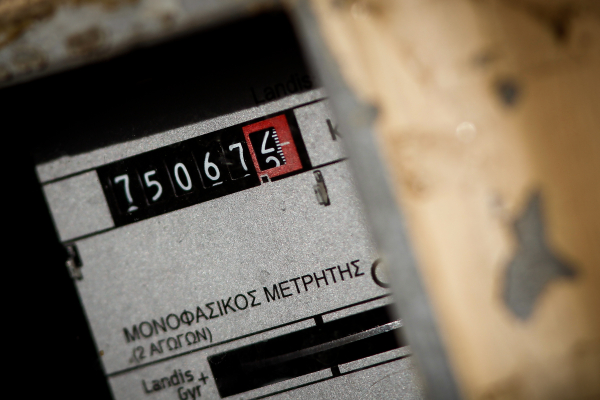
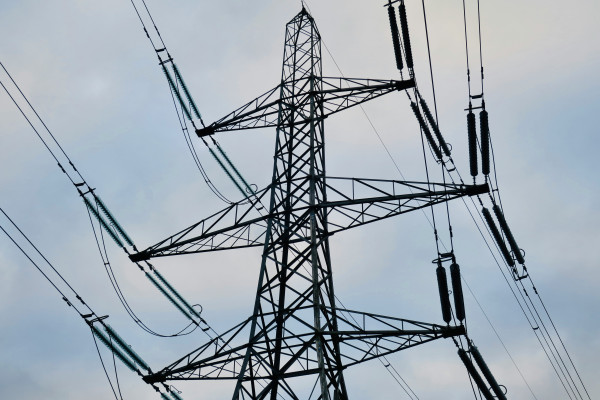
Electricity bills are the most immediate concern. Natural gas plays a significant role in Greek power generation, meaning higher fuel costs can quickly feed into wholesale electricity prices.
If utilities pass those increases on to customers, households and small businesses could face another squeeze on disposable income. A 20% increase in a monthly electricity bill of €150 would add €360 to annual expenses.
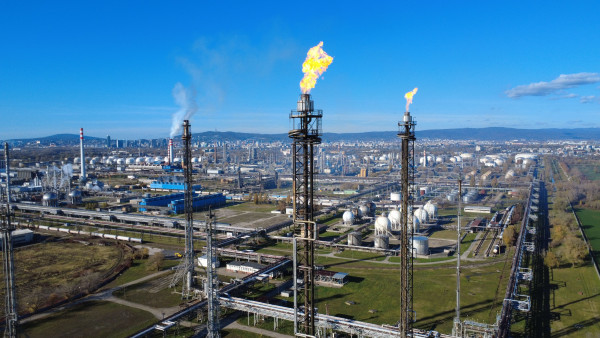
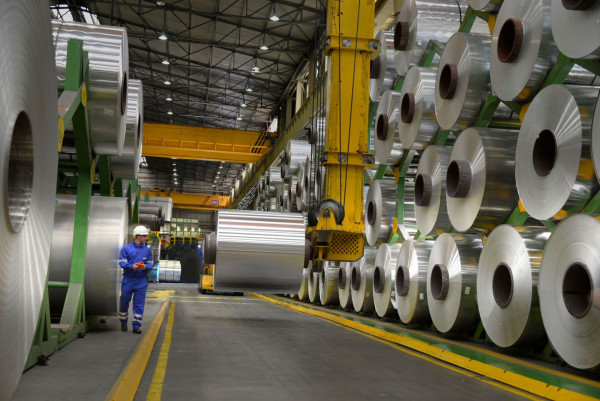
Industry faces a second challenge. Food manufacturers, metal producers and other energy-intensive businesses risk sharply higher operating costs, potentially eroding profit margins and discouraging investment.
A company consuming 10,000 megawatt-hours annually would incur an additional €200,000 in costs if its effective gas procurement price rose by €20 per megawatt-hour. Such increases could weaken the competitiveness of Greek exports.
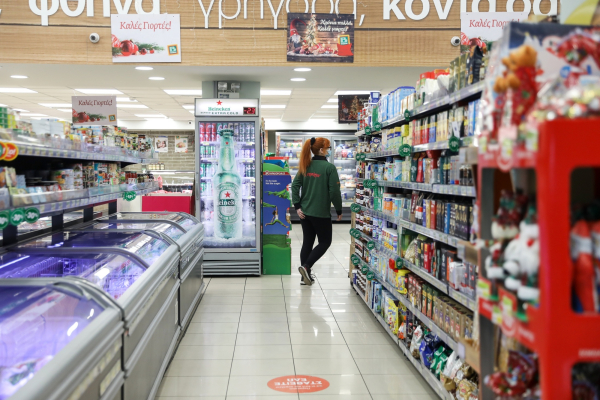
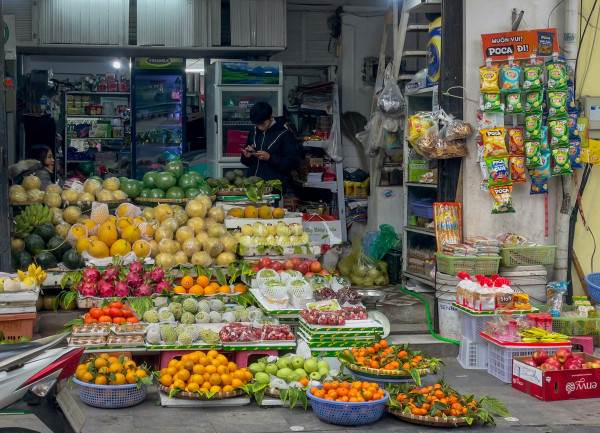
The third risk is broader inflation. Higher energy costs affect food processing, refrigeration, distribution and retail operations. Businesses unable to absorb those expenses may pass them on to consumers, pushing supermarket prices higher and reducing household purchasing power.
That could dampen domestic consumption, a crucial driver of Greek economic activity.
Tourism represents the fourth vulnerability. Hotels, restaurants and other hospitality businesses face higher electricity, heating and hot-water costs. Prolonged increases could force operators to raise prices, potentially undermining Greece's competitiveness against rival Mediterranean destinations.
The implications extend to public finances. Higher energy prices could increase pressure on the government to provide household and business support just as weaker consumption and investment threaten economic growth.