
Greece’s largest electricity utility, Public Power Corp. (PPC), is in advanced discussions with the U.S. International Development Finance Corp. (DFC) over potential financing for three major energy projects in Greece and Romania, according to documents reviewed as part of the financing process.
The talks center on converting a former coal-fired power plant in northern Greece to natural gas, developing a new combined heat-and-power facility and modernizing Romania’s electricity distribution networks.
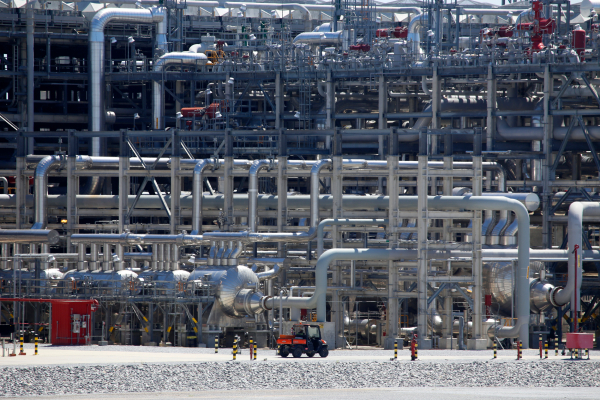
The largest Greek project involves Ptolemaida 5, a power station in Greece’s former coal-mining heartland. Under the proposed plan, the facility would initially be converted into a 295-megawatt open-cycle natural-gas plant before being upgraded to a 439-megawatt combined-cycle facility.
ΔΙΑΒΑΣΤΕ ΕΠΙΣΗΣ



A second project involves constructing a gas-fired cogeneration plant in Kardia, equipped with 17 engines capable of generating 76 megawatts of electricity and 66 megawatts of thermal energy.
In Romania, PPC is seeking financing to upgrade electricity distribution infrastructure, install smart meters and expand digital grid capabilities. Documents indicate that the financing discussions have progressed to environmental and social due diligence, including an assessment conducted by consultancy Environmental Resources Management roughly four months ago.
The DFC has classified the proposed financing package as Category A, its highest environmental-risk classification, requiring enhanced scrutiny and compliance procedures. The documents don't disclose the potential loan amount, financing terms or whether final approval has been granted. The discussions also raise questions about Washington's role in facilitating U.S. financing for Greek energy investments.
PPC's North American subsidiary previously retained Washington lobbying firm Catalyst Strategies, headed by Greek-American lobbyist Christos Marafatsos.
However, documents reviewed so far contain no references to Marafatsos or former U.S. Ambassador to Greece Kimberly Guilfoyle in connection with the DFC negotiations.
People familiar with the discussions describe PPC's relationship with the U.S. agency as direct, suggesting that negotiations are proceeding without outside intermediaries.