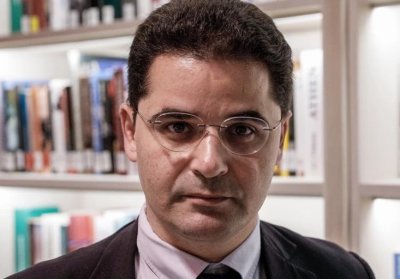

Addy Loudiadis, the Greek-born financier who helped engineer one of Wall Street’s most controversial sovereign-debt transactions, is facing a new legal challenge—this time over the future of a gold-mining company operating in Central Asia.
Loudiadis, a former Goldman Sachs partner and longtime London financial executive, is among the defendants in proceedings brought before the British Virgin Islands High Court concerning Chaarat Gold Holdings, where she serves as chairwoman.
The dispute pits the company's management against a group of investors led by Labro Investments, a Bermuda-based investment vehicle controlled by Swedish businessman Martin Andersson, Chaarat's former executive chairman.
ΔΙΑΒΑΣΤΕ ΕΠΙΣΗΣ


Labro, which previously held more than 44% of Chaarat, alleges that the company's financial restructuring could effectively transfer control from existing shareholders to creditors.
Other investors, including Luxembourg-based East Capital SICAV, have joined the proceedings, alleging unfairly prejudicial conduct toward shareholders.
The defendants include Chaarat, Loudiadis and executives Simon Morris and Martin Wiwen-Nilsson. The claimants are seeking judicial protection and permission to pursue claims against company directors. The allegations remain unproven.
For Loudiadis, the dispute revives scrutiny of a career marked by both financial innovation and controversy.
A Goldman Sachs partner from 1994 to 2007, she helped lead the bank's European investment-banking operations. In 2007, she co-founded Rothesay Life, which became a major player in Britain's pension-insurance market. She served as chief executive until 2022.
Her most controversial assignment, however, dates to 2001, when she played a leading role in a Goldman Sachs currency-swap transaction with the Greek government.
The deal used unconventional exchange rates to restructure Greece's foreign-currency liabilities, helping obscure the country's underlying debt burden. It later became emblematic of the financial engineering that attracted scrutiny during Greece's sovereign-debt crisis.
The transaction was restructured in 2005 and ultimately unwound in 2019, nearly two decades after its inception.