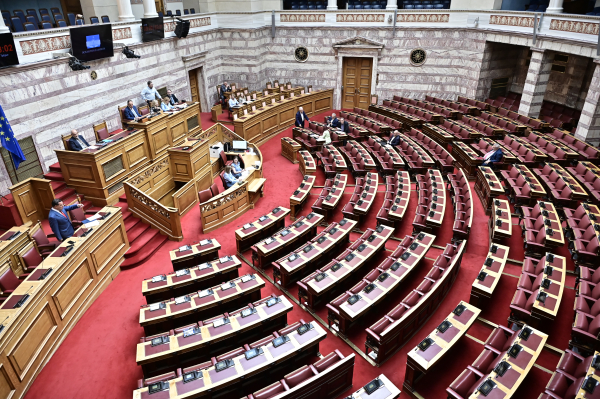
Greece’s conservative government is facing mounting public dissatisfaction as persistent cost-of-living pressures erode household finances and fuel demands for political change, according to a survey released Monday by polling firm ALCO.
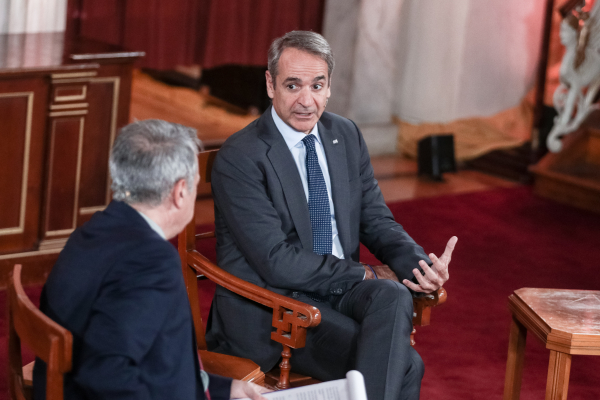
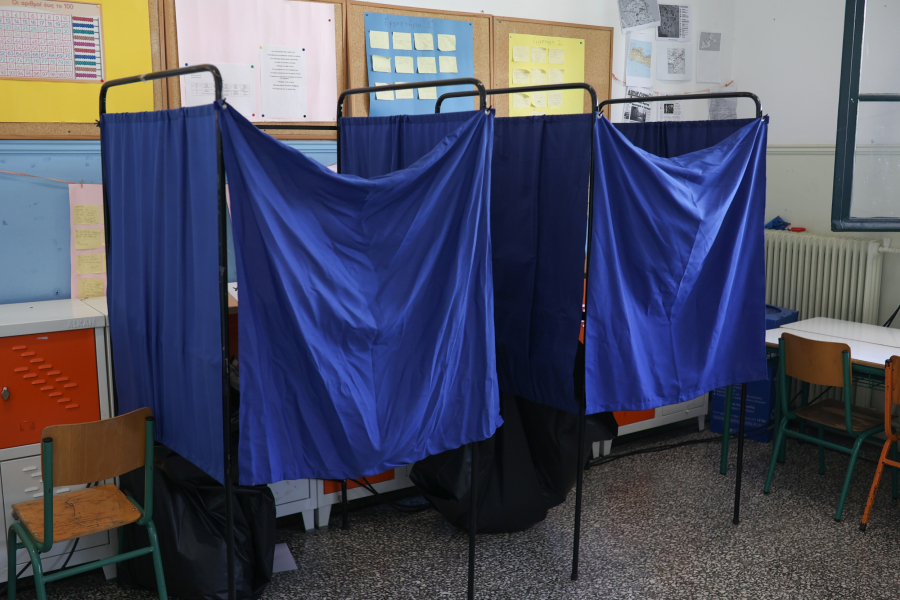
The poll found that 68% of respondents want a change in government following the next general election, up one percentage point from September. Just 23% favor giving Prime Minister Kyriakos Mitsotakis a third term, down from 25%. Despite the discontent, Mitsotakis’ center-right New Democracy party remains the country’s leading political force, with 23.4% of voting intentions, down slightly from 23.8% in September.
The party identified as ELAS ranks second at 13.4%, followed by the center-left PASOK party at 11.4%. The Communist Party stands at 7.1%, while the right-wing Greek Solution party attracts 5.8%. The findings highlight a central paradox in Greek politics: While a clear majority of voters favors political change, opposition parties have struggled to translate dissatisfaction with the government into a credible electoral alternative. Economic anxiety appears to be a major driver of voter frustration.
ΔΙΑΒΑΣΤΕ ΕΠΙΣΗΣ


More than half of respondents, 55%, said they were likely to cut spending on essential goods during the coming winter. Meanwhile, 38% said they lacked €500, roughly $575, in savings to cover an unexpected expense.
The survey also found that 45% blame government policies for high prices, compared with 29% who attribute inflation to the global energy crisis. Public sentiment toward the political establishment is overwhelmingly negative. Some 55% said they were completely dissatisfied with the government’s performance, while another 24% expressed limited satisfaction.
Disappointment was the dominant emotion associated with political life, cited by 42% of respondents, followed by anger at 27%. Undecided voters account for 15.9% of the electorate, potentially making them decisive in the next election. ALCO chief executive Kostas Panagopoulos said slightly more than half of those voters had supported New Democracy in the previous election.