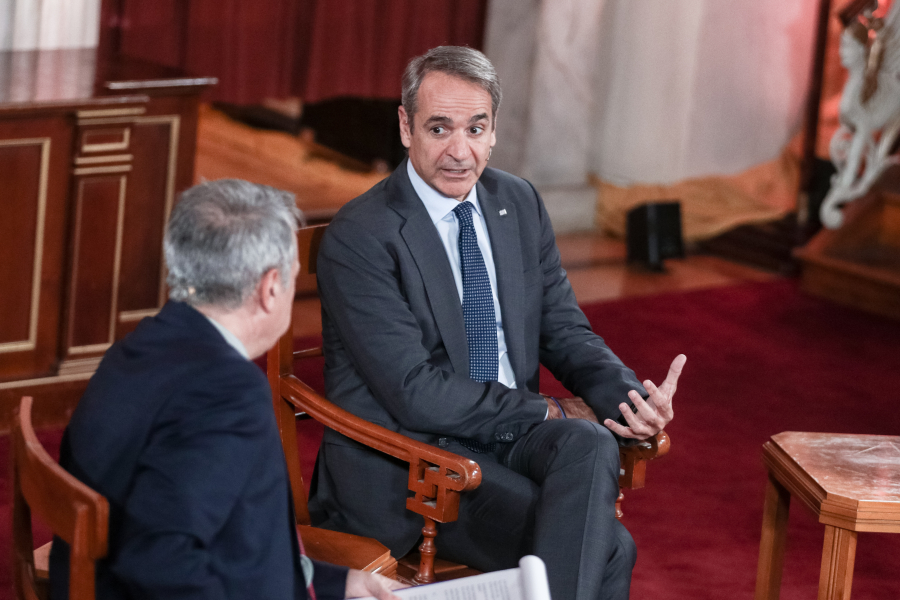
Greece’s conservative government is facing growing public dissatisfaction over its handling of rising living costs and the energy crisis, while a new opinion poll suggests Prime Minister Kyriakos Mitsotakis could struggle to retain his parliamentary majority in the next election.
The Opinion Poll survey, presented Tuesday on television channel Action 24, places the ruling New Democracy party at 25.5% in voting intentions, down slightly from 25.7% in September. Although it remains the largest party, its support is considerably below the 40.6% it secured in the 2023 general election.
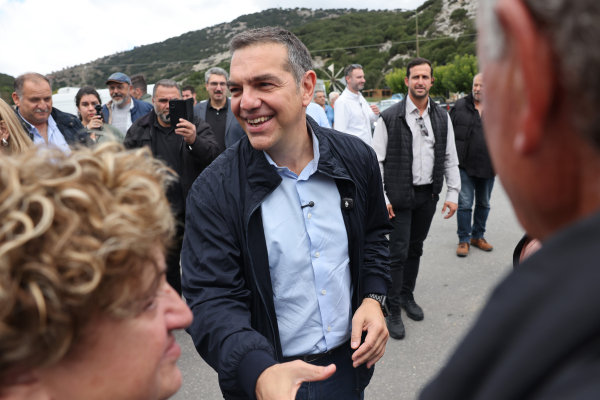
A new political party, ELAS, led by former Prime Minister Alexis Tsipras, ranks second with 13.3%, followed by the center-left PASOK at 10.4%.
ΔΙΑΒΑΣΤΕ ΕΠΙΣΗΣ

The Communist Party has moved into fourth place with 6.1%, overtaking the nationalist Greek Solution party, which slipped to 5.8%.
The survey also highlights the persistence of Greece’s far right. A newly established party associated with Ilias Kasidiaris, a former leading member of the neo-Nazi Golden Dawn organization, receives 3.5% in projected voting support, potentially securing parliamentary representation.
Under the pollster’s seat projections, nine parties would enter Greece’s 300-member parliament. New Democracy would win just 122 seats, leaving it 29 short of the majority required to govern alone.
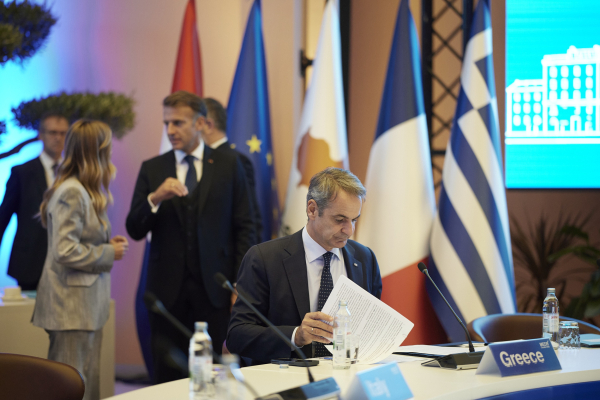
The findings expose the limitations of Mitsotakis’s political dominance. Although opposition parties remain divided, the government has failed to translate their weakness into renewed public confidence.
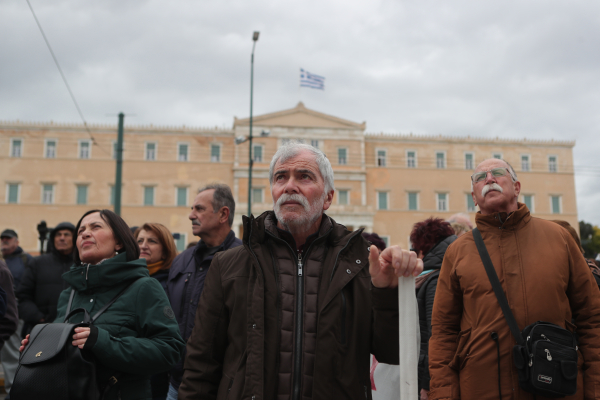
Economic pressures appear central to voter discontent.
An overwhelming 76.2% of respondents believe the government has been slow to address the energy crisis, while only 21% consider its response sufficiently prompt.
Half of those surveyed, 50.4%, primarily blame the government for its failure to tackle rising prices, while another 25.9% attribute responsibility to both domestic policies and external factors.
Public dissatisfaction extends to the European Union, with 80.5% criticizing Brussels for failing to respond quickly and coherently to the energy crisis.
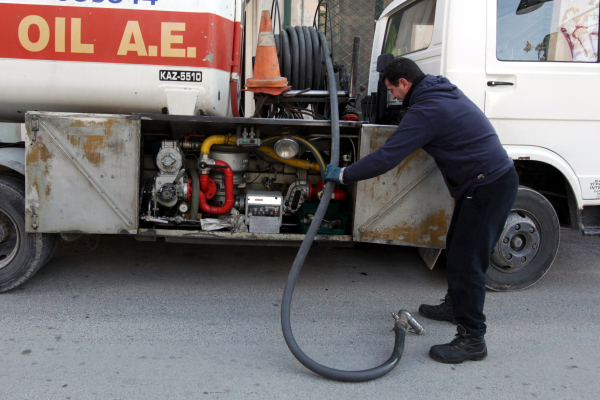
The government's proposed relief measures have received mixed reviews. Only 43.8% approve of diesel subsidies, while 50.8% express dissatisfaction.
Mitsotakis also faces a credibility problem. Although 27.4% consider him the most suitable prime minister, almost as many—26.5%—say none of the available political leaders is suitable.
Meanwhile, the government’s emphasis on international diplomacy appears insufficient to offset domestic frustration. Despite relatively favorable assessments of Greece’s energy partnership with Washington, voters identify improvements in living standards as their overriding priority.
The survey points to a potentially difficult electoral environment for New Democracy: an unpopular government confronting an economically frustrated electorate, a divided opposition and a political system increasingly vulnerable to fragmentation.