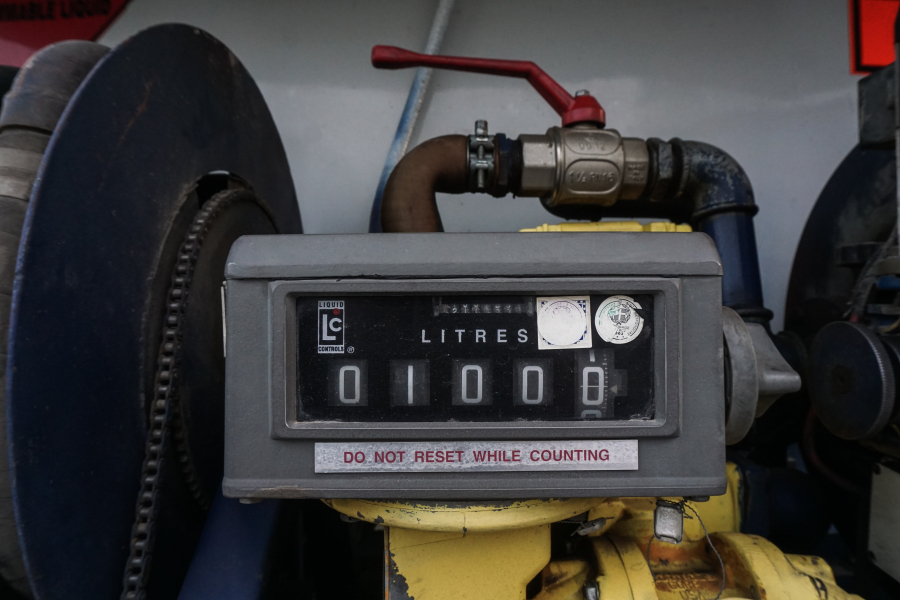
Greek households are facing a sharp increase in heating costs this winter, with heating oil prices expected to rise 38% from last year, threatening to squeeze family budgets despite a substantial increase in government subsidies.
Heating oil sales for the 2026-27 winter season are beginning at an estimated €1.55 ($1.80) a liter, even after government intervention and discounts offered by domestic refiners. That compares with €1.12 in October 2025 and €1.18 in October 2024.
The projected price exceeds levels recorded during the European energy crisis in 2022, when heating oil sold for approximately €1.41 a liter.
ΔΙΑΒΑΣΤΕ ΕΠΙΣΗΣ


For Greek families, the financial implications are significant.
A household purchasing 1,000 liters of heating oil will spend approximately €1,550 this winter, compared with €1,120 last year—an additional €430. Families consuming 1,500 liters face an increase of €645, while those requiring 2,000 liters could pay €860 more.
The government has announced a 30% increase in heating allowances to cushion the impact. A household previously receiving €500 will now qualify for €650, while one receiving €800 will receive €1,040.
Yet the additional assistance may fall well short of offsetting higher fuel costs.
Consider a household consuming 1,000 liters annually. Last winter, its heating bill totaled €1,120, falling to €620 after a €500 subsidy. This year, the same consumption would cost €1,550, leaving a net expense of €900 after the increased €650 allowance.
That represents a 45% increase in out-of-pocket heating costs despite the government's expanded support.
Eligibility restrictions further complicate the picture.
According to government estimates, approximately 750,000 households—nearly 60% of those using heating oil—qualify for assistance. The remaining 40% face the full increase without direct financial compensation.
European comparisons offer limited comfort. European Commission figures cited in the Greek market analysis put the European Union's weighted average heating oil price at €1.732 a liter, roughly 10.5% above Greece's projected price.
But nominal prices tell only part of the story. Household purchasing power, disposable income and the share of earnings devoted to essential energy expenses determine the actual burden on consumers.