

Greece’s Public Power Corp. is seeking to turn a former center of the country’s coal economy into a new source of long-term infrastructure and electricity revenue, under an agreement with Amazon Web Services to develop a large data center near Kozani in northern Greece.
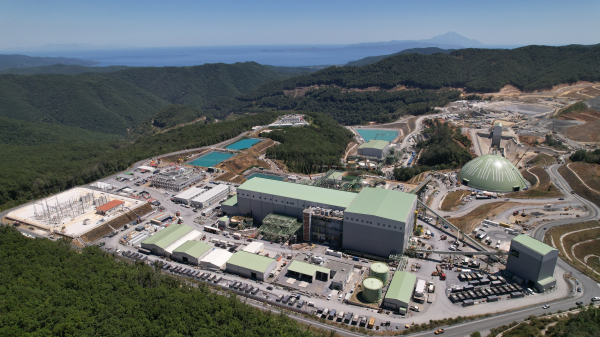
The memorandum of understanding announced Wednesday has strategic significance for PPC, Greece’s largest electricity company, as it looks to extract new value from land and energy infrastructure in Western Macedonia, a region at the heart of the country’s phaseout of lignite-fired power generation.
The economics of the proposed project could work on two fronts. PPC would stand to generate long-term rental income from the data-center infrastructure while also securing a substantial new source of electricity demand through long-term power-purchase agreements, or PPAs.
ΔΙΑΒΑΣΤΕ ΕΠΙΣΗΣ



A central feature of the agreement is a planned 15-year lease of the data center to Amazon following completion of construction. Such a long-term commitment could give PPC greater visibility over future cash flows and reduce the commercial risk associated with building infrastructure on this scale without an anchor tenant secured in advance.
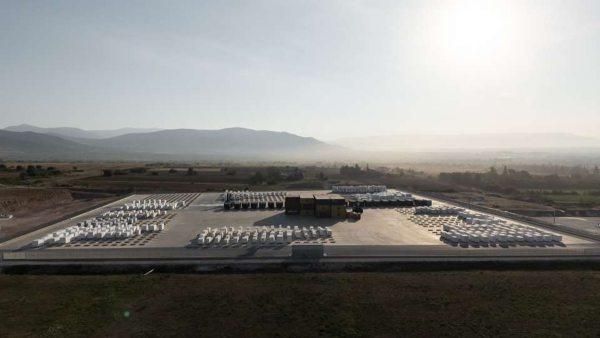
The division of investment and operating responsibilities is also significant. Amazon would install and operate the information-technology equipment, while PPC would provide the site, buildings and supporting energy infrastructure. The structure would allow PPC to gain exposure to the rapidly expanding data-center market by deploying assets and expertise closely related to its core energy business, without taking responsibility for operating the technology inside the facility.
The proposed scale underscores the potential significance of the investment. The project is initially designed for 300 megawatts of power capacity, putting it among the larger energy-intensive infrastructure developments contemplated in Greece. The agreement also provides for a potential expansion to as much as 1 gigawatt, subject to further agreement and market conditions.
For PPC, that could eventually mean more than rental income. A data center of that size would represent a large and relatively predictable source of electricity demand, potentially creating a natural counterpart for the utility’s expanding renewable-energy portfolio. Long-term PPAs could therefore give PPC an additional route to monetize new renewable generation while providing the data center with greater certainty over its power supply.
The biggest unanswered questions are financial.
PPC and Amazon haven’t disclosed the amount of capital PPC would be required to invest, the level of rent Amazon would pay, the value and duration of the prospective PPAs, the financing structure or the project’s expected contribution to PPC’s earnings before interest, taxes, depreciation and amortization.
Those figures will ultimately determine how attractive the project is for PPC shareholders. Having Amazon as a long-term counterparty could reduce the credit and occupancy risks that would otherwise accompany an investment of this scale and duration, but it doesn’t by itself establish the project’s prospective return on capital.
The memorandum, while binding, also falls short of making the project a certainty. Permitting and environmental approvals remain important hurdles, particularly given the infrastructure demands associated with hyperscale data centers.
A 300-megawatt facility—and especially a future expansion toward 1 gigawatt—would require substantial electricity-grid capacity as well as water and other supporting infrastructure. Large data centers can also raise concerns among surrounding communities over issues including water consumption, land use and noise, making local consultation an important part of the development process.