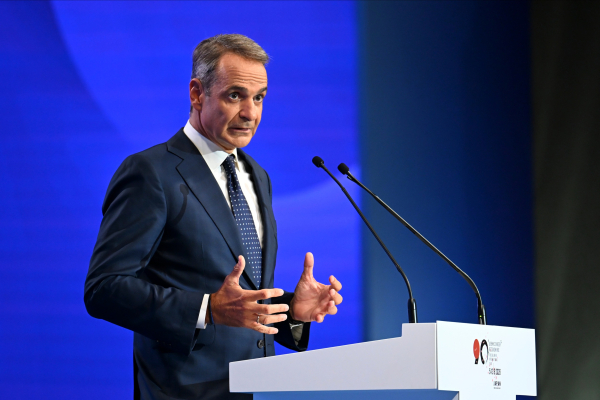
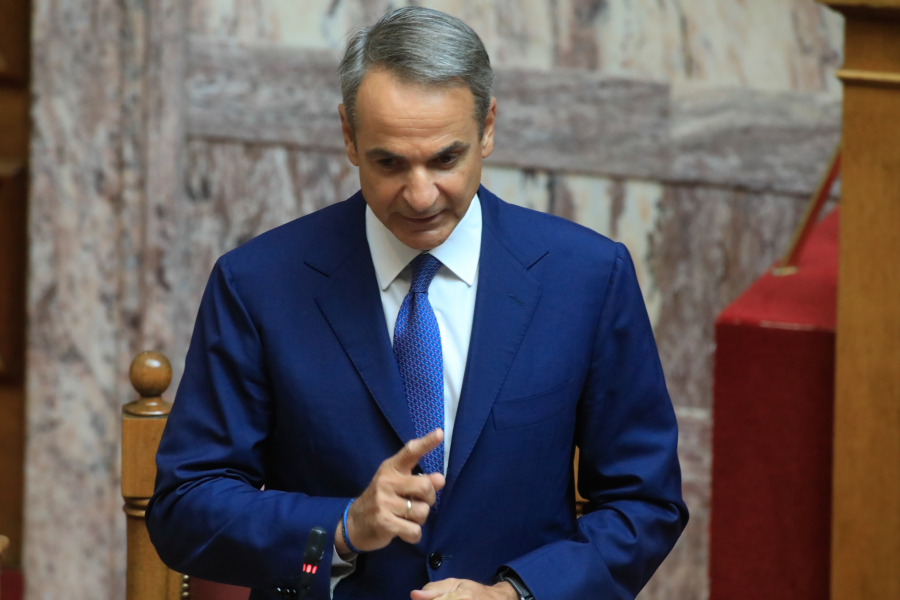

Prime Minister Kyriakos Mitsotakis’s latest package of economic measures has failed to deliver a significant political boost for Greece’s governing New Democracy, according to a new Marc poll, highlighting the government’s difficulty in rebuilding support despite a fragmented opposition.
The survey, conducted for ANT1 television after the annual Thessaloniki International Fair, put New Democracy at 27.5% in voting intention, only marginally higher than its previous 26.8%.
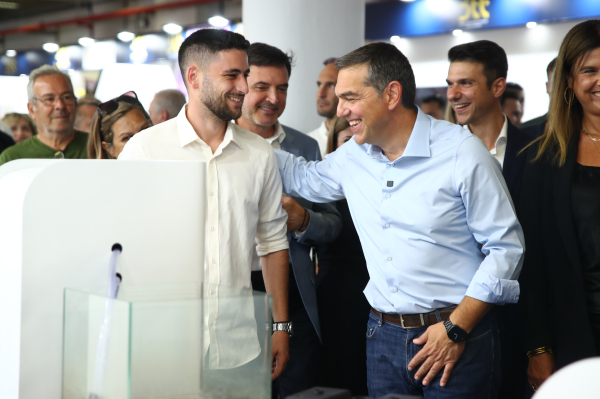
ELAS, led by former Prime Minister Alexis Tsipras, remained second at 14%, compared with 14.3% previously, while the center-left PASOK climbed to 10.1% from 9.2%.
ΔΙΑΒΑΣΤΕ ΕΠΙΣΗΣ


The numbers suggest that Mitsotakis’s announcements in Thessaloniki, where Greek governments traditionally unveil their economic priorities, have yet to produce a meaningful shift in public support. The limited movement is notable given the political importance governments attach to the event and the extensive attention surrounding this year’s measures.
Greek Solution followed at 6.5%, with the Communist Party, or KKE, at 6%. Course of Freedom reached 4.9%.
Support for Elpida, the party associated with Maria Karystianou, dropped sharply to 4.6% from 9.2%. Syriza, once Greece’s dominant left-wing opposition party, was reported at just 1.3%, below the 3% threshold required to enter Parliament.
Marc’s estimate of the vote, which reallocates undecided and other responses, placed New Democracy at 31%, ELAS at 16% and PASOK at 11.5%.
The survey also pointed to potential disruption on the political right from former Prime Minister Antonis Samaras. Polling on a hypothetical Samaras party indicated support around or above the parliamentary threshold, suggesting that a new conservative formation could compete for voters in territory traditionally important to New Democracy.
Mitsotakis continued to lead when respondents were asked who was most suitable to serve as prime minister, receiving 31%. Tsipras followed at 14.9%, while PASOK leader Nikos Androulakis rose to 8% from 5.4%.
But assessments of the leaders’ Thessaloniki appearances provided another indication of the government’s limited ability to expand its appeal. Mitsotakis received positive assessments from 35.7% of respondents, while the poll suggested that political leaders largely satisfied their existing supporters rather than winning broader sections of the electorate.