
The Greek government is considering imposing a cap on profit margins across parts of the energy supply chain, an intervention aimed at preventing sharp swings in global energy markets from translating into disproportionately large price increases for consumers.
Prime Minister Kyriakos Mitsotakis has said the measure is among a package of interventions under consideration as the government looks for ways to cushion households and businesses from volatility in energy prices.
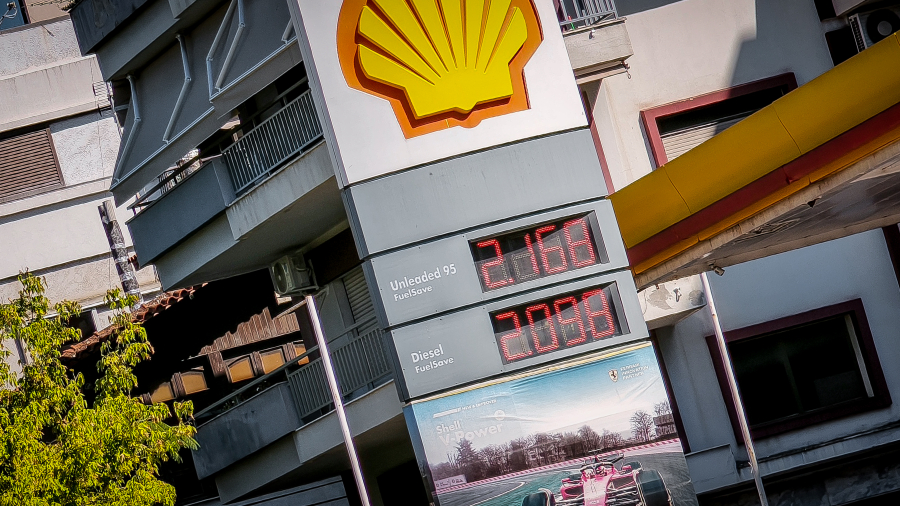
A profit-margin cap, however, wouldn't amount to a ceiling on the retail price of gasoline, diesel or heating oil. Instead, it would restrict the margin companies can apply at specified stages of the supply chain. That distinction matters. Even with a cap in place, prices at the pump could continue to rise or fall in response to crude-oil costs, international prices for refined products, movements in the euro-dollar exchange rate, taxes and other operating expenses.
ΔΙΑΒΑΣΤΕ ΕΠΙΣΗΣ


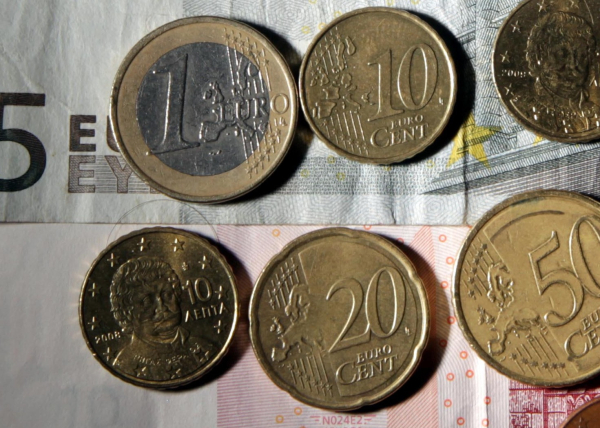
Consider a company that earned a margin of 10 euro cents a liter during a designated reference period. If the government tied the permitted margin to that benchmark, the company could be prevented from widening it to 15 or 20 cents simply because market conditions had pushed the final retail price higher. The effectiveness of such an intervention would depend heavily on its design. Key questions include which parts of the energy supply chain would be covered, what reference period the government would choose, which costs companies would be allowed to recognize when calculating margins and how long the restrictions would remain in force.
Experience with profit-margin caps also points to potential shortcomings. One of the biggest is the choice of the reference period. If the government sets the allowable margin using a period in which margins were already elevated, the measure could do relatively little to constrain prices or profits.
Enforcement presents another challenge. Regulators would need to scrutinize the entire fuel supply chain—from refining and wholesale distribution to retail sales—to determine whether price increases reflect genuinely higher costs or an expansion in profit margins.
That distinction can be difficult to establish in practice. It is particularly important in Greece, where weaknesses in market oversight and enforcement could complicate efforts to determine precisely where additional costs—or additional margins—are being generated.