
The founder of surveillance-technology company Intellexa will soon produce evidence showing that he cooperated with Greece’s national intelligence service and supplied the Predator spyware, according to a lawyer representing victims of the country’s surveillance scandal.
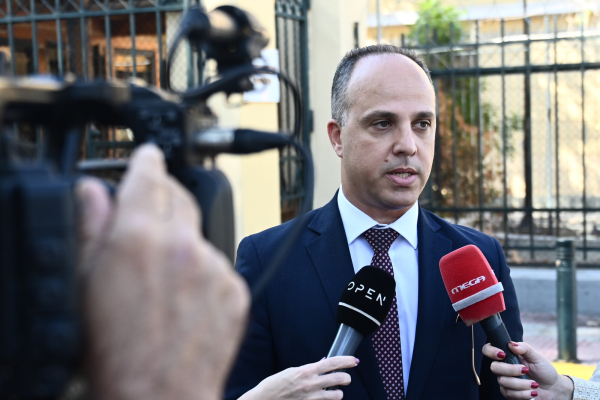
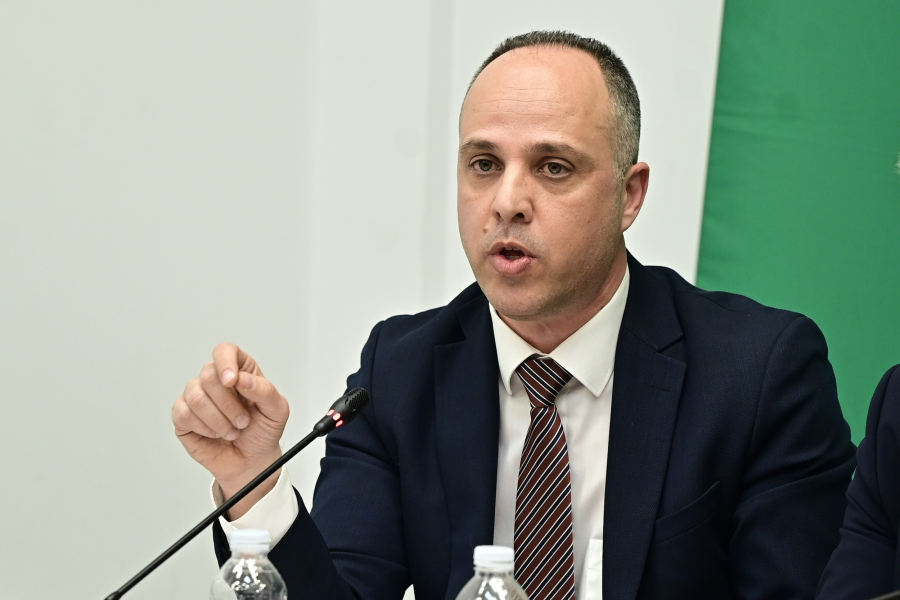
Zacharias Kesses said Tuesday that Tal Dilian, the Israeli businessman who founded Intellexa, is expected to present evidence in a Greek court that could challenge claims that the use of Predator spyware in Greece was an exclusively private-sector operation. Speaking to Meganews Radio 104.6, Kesses was responding to recent remarks by Dilian following a decision by Cypriot authorities to close an investigation into the so-called «black van», a surveillance vehicle that came under scrutiny after Dilian publicly described its capabilities.
«Very soon he will prove» that he worked with Greece’s National Intelligence Service
Dilian has said that evidence and facts concerning his activities will receive proper examination in Greece and expressed confidence that the proceedings would restore his reputation and reveal what actually happened. He also suggested that people familiar with the events could find the evidence difficult to reconcile with the narrative previously advanced. Kesses interpreted the remarks as a warning directed at both the Greek government and judicial authorities. «Very soon he will prove» that he worked with Greece’s National Intelligence Service, known by its Greek initials EYP, and supplied Predator, Kesses said.
ΔΙΑΒΑΣΤΕ ΕΠΙΣΗΣ



The allegations add another potentially significant dimension to a surveillance controversy that has shaken Greek politics and raised broader European concerns over the commercial spyware industry. Predator can infiltrate smartphones and provide access to sensitive communications and other data.
Kesses said Dilian could bring evidence before a court well ahead of the next major stage of the Greek proceedings, allowing judges to consider whether he acted independently or on instructions from EYP.
The lawyer also pointed to a complaint filed by a senior EYP official whose phone was allegedly targeted with Predator. He argued that the allegation warrants particular scrutiny because it comes from an official serving in the agency responsible for counterespionage. Kesses called for prosecutors to pursue testimony, examine mobile devices and trace personal data allegedly extracted through the spyware.
For Greece, the stakes extend beyond Dilian’s legal position. Any evidence establishing an operational link between Intellexa, Predator and the country’s intelligence service could fundamentally reshape the unresolved question at the center of the scandal: who ultimately directed the surveillance.