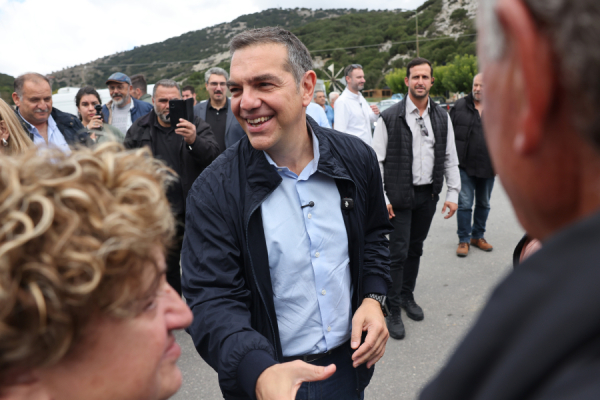
Former Greek Prime Minister Alexis Tsipras accused Prime Minister Kyriakos Mitsotakis of interfering with the country’s judicial system and pledged greater accountability under a future government, escalating his criticism of Greece’s conservative administration.
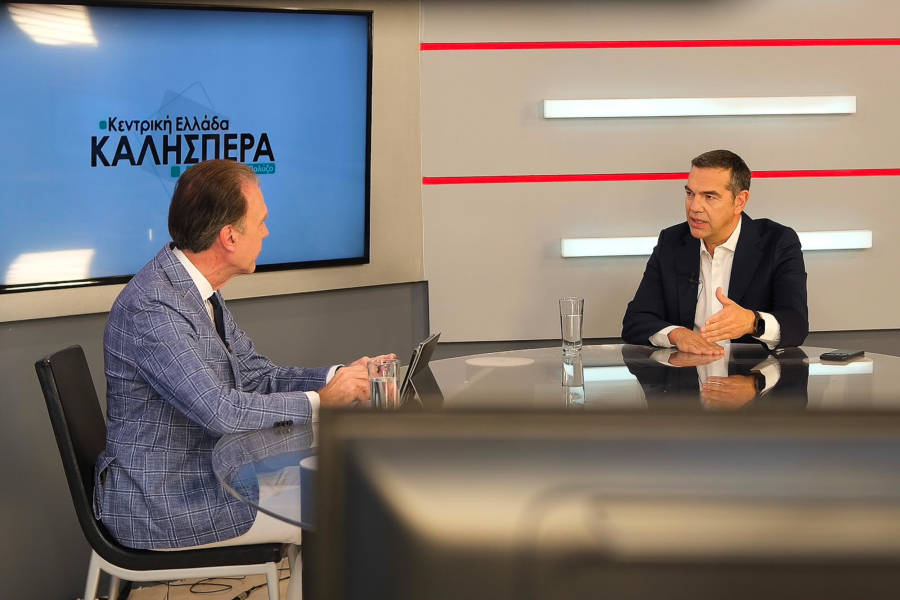
In an interview with regional broadcaster TRT, Tsipras said Mitsotakis had spent seven years consolidating influence over the leadership of the judiciary through political pressure and intervention.
Tsipras offered the allegations as part of a broader attack on the government’s handling of corruption, a surveillance scandal and rising living costs. He described the administration as Greece’s most corrupt and unjust government, arguing that political change was necessary to restore public confidence in democratic institutions.
ΔΙΑΒΑΣΤΕ ΕΠΙΣΗΣ

The accusations were made by Tsipras and weren't established as findings of wrongdoing in the interview. Beyond his criticism of the government, Tsipras outlined an economic program focused on redistribution, regional development and lower energy costs. Central to his proposal is a €25 billion National Convergence Fund, spread over four years, intended to succeed the European Union’s Recovery and Resilience Facility as a source of development financing. He also advocated measures that he said could reduce energy costs by 30%, arguing that high prices have undermined Greek businesses and households.
Another proposal would provide €400 million annually to approximately 280,000 households in rural areas through a program designed to encourage residents to remain in smaller communities. Tsipras warned that Greece’s aging population and concentration of economic activity in Athens and Thessaloniki threatened the long-term viability of rural regions. He also proposed additional support for students attending regional universities.
On taxation, Tsipras reiterated his support for imposing higher taxes on the wealthiest 1% of Greeks. He said a proposed levy on substantial wealth could generate an additional €2 billion, helping finance public hospitals, schools and the restoration of a 13th annual pension payment. The former prime minister acknowledged that Greece faces fiscal constraints but argued that redistributing the tax burden could create room for expanded social spending.
Turning to electoral politics, Tsipras said a progressive alliance would need to finish first in the next parliamentary election to have a realistic chance of forming a government. Under Greece’s electoral system, the leading party can receive additional parliamentary seats if it surpasses the required vote threshold.