Turkey is renewing its objections to undersea infrastructure projects in the eastern Mediterranean, raising geopolitical tensions as Greece and Cyprus prepare to restart surveys for a major electricity interconnection backed by European interests.
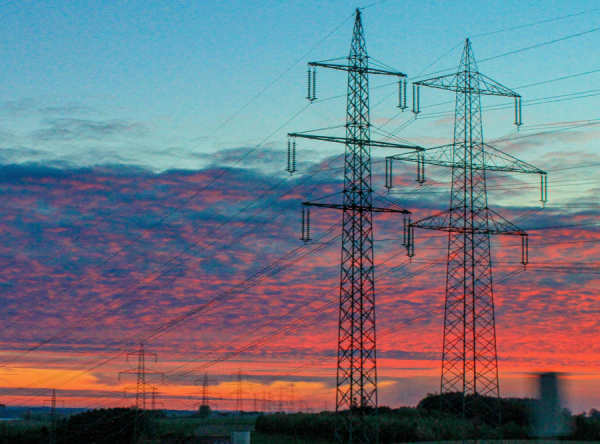
French cable manufacturer Nexans is seeking final approvals to resume seabed surveys for the Great Sea Interconnector, a planned electricity link between Greece and Cyprus that has faced delays amid maritime disputes with Turkey.
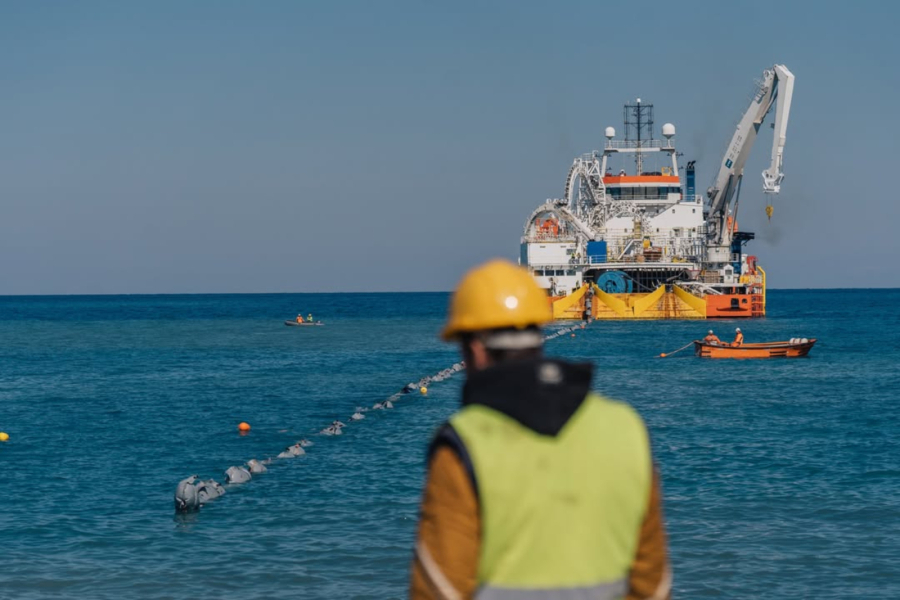
The French-flagged survey vessel *Abeille Marengo* is expected to begin operations from Heraklion, on the Greek island of Crete, potentially by late October or early November, once Greek authorities issue the necessary maritime navigation notice, known as NAVTEX.
ΔΙΑΒΑΣΤΕ ΕΠΙΣΗΣ



The restart follows months of diplomatic discussions involving Athens, Nicosia and French stakeholders, including infrastructure investor Meridiam. The project has become a geopolitical flashpoint because Turkey disputes maritime jurisdiction across parts of the eastern Mediterranean where undersea infrastructure is planned.
Ankara has repeatedly asserted claims over waters between the Greek islands of Rhodes, Kasos and Karpathos and areas west of Cyprus, challenging Greek and Cypriot positions.
The latest confrontation concerns a separate project, the East to Med Data Corridor, or EMC, an undersea telecommunications cable intended to connect Saudi Arabia with Marseille, France.
Cyprus recently authorized Germany’s Fugro Germany to conduct seabed surveys in its exclusive economic zone between Oct. 21 and Nov. 2. Turkey responded with a counter-NAVTEX, reiterating that activities in the disputed maritime area require Ankara’s authorization and restating its refusal to recognize the Republic of Cyprus.
The Saudi-backed project involves international investors, including Greece’s Public Power Corp. The warning follows an incident in August 2025, when a Turkish frigate interfered with a vessel conducting surveys for the same data-cable project off Cyprus.
The renewed objections are being closely watched as preparations advance for the Greece-Cyprus electricity link. Greek officials maintain that the French companies involved are coordinating exclusively with Greek and Cypriot authorities.
Turkish media, however, have reported possible behind-the-scenes discussions between Ankara and Paris aimed at finding a compromise. Those accounts remain unconfirmed.
The competing claims underscore the difficulties facing infrastructure developers seeking to connect European and Middle Eastern energy and communications networks.