
Greek authorities put Crete on their highest weather-alert footing Wednesday as forecasts showed an unusually prolonged bout of storms could dump as much as six months’ worth of rain on parts of the Mediterranean island in a matter of days.
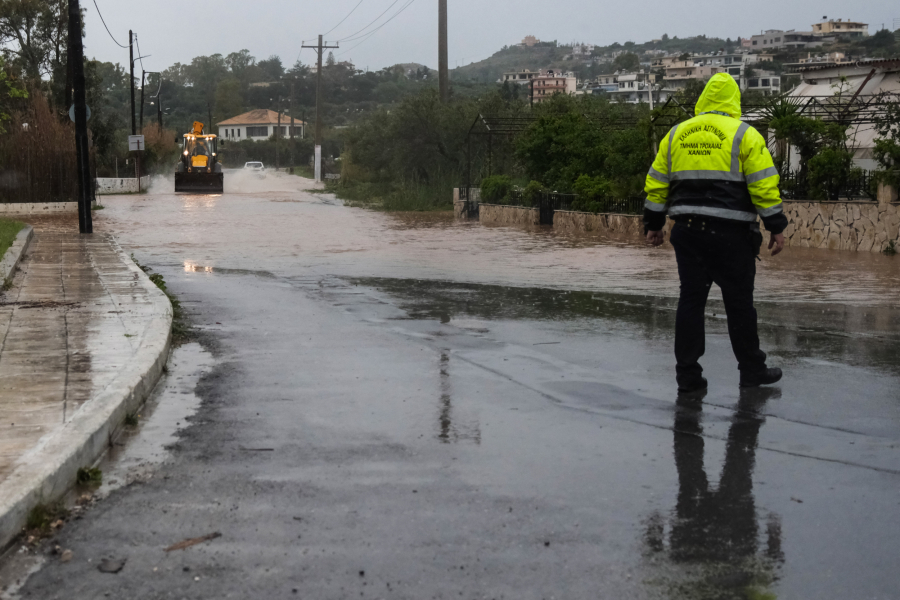
Crete has been placed under a “Red Code” civil-protection alert through Sunday, Oct. 4, after Greece’s National Meteorological Service warned of locally severe rain and thunderstorms, along with gale-force winds in the Aegean Sea. The country’s Risk Assessment Committee said the heaviest rainfall is expected in northern and northwestern Crete, raising the threat of flash flooding.
The forecast presents a potentially significant test for infrastructure on Greece’s largest island, a major tourism destination with mountainous terrain, seasonal waterways and coastal communities vulnerable to intense runoff.
ΔΙΑΒΑΣΤΕ ΕΠΙΣΗΣ


Meteorologist Nikoleta Ziakopoulou of state broadcaster ERT said some northern and western areas could receive around 300 millimeters of rain over the coming days- equivalent to roughly 300 metric tons of water per 1,000 square meters. That is approximately the amount of rainfall some locations would normally receive over six months.
Other forecasts point to similarly extreme conditions. Meteorologist Giorgos Tsatrafyllias said the ECMWF and ICON weather models indicated rainfall accumulations of 250 to 350 millimeters in parts of Crete, with potentially higher local totals. Chania and Rethymno, both on the island’s western side, are among the areas of particular concern. He cautioned that precise maximum rainfall totals remain uncertain several days in advance.
Authorities are also preparing for strong northerly and northeasterly winds, which could reach 8 to 9 on the Beaufort scale in surrounding seas.
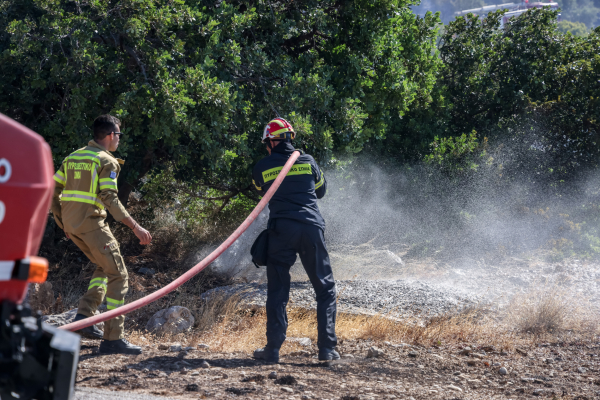
Greece is reinforcing emergency services on the island ahead of the storm. Specialized firefighting and rescue units are being sent by ferry from Piraeus to Chania, including swift-water rescue teams equipped with boats, a tracked emergency vehicle and high-capacity pumping equipment.
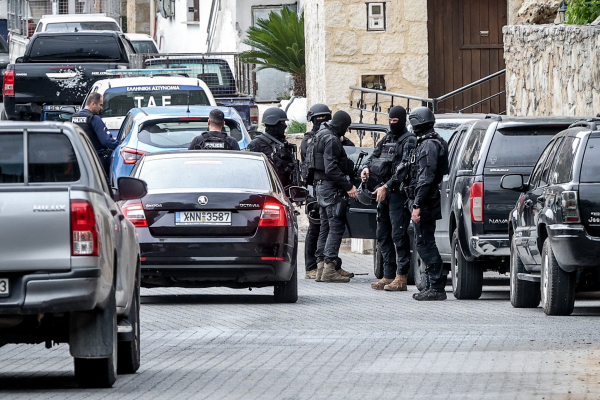
The fire service, police, coast guard, armed forces, ambulance service and electricity-grid operators have also been placed on heightened readiness.
Officials’ immediate concern is whether the combination of persistent rainfall, steep terrain and already vulnerable waterways will translate into flooding, landslides and disruption to Crete’s road network before conditions ease Sunday.