

Greece’s government is putting a sweeping package of tax cuts and savings incentives before the cabinet Wednesday, betting that lower taxes can bolster household finances even as a renewed surge in energy and fuel costs threatens to eat into the benefits.
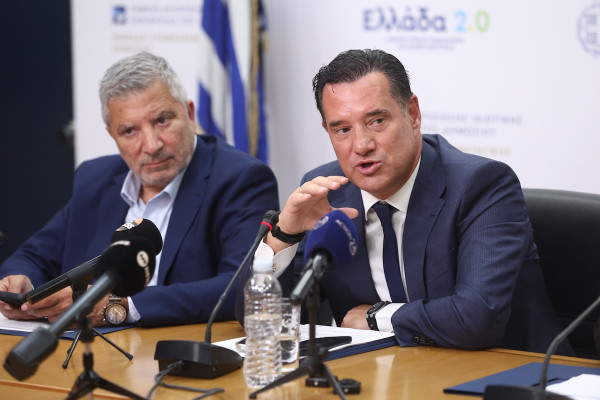
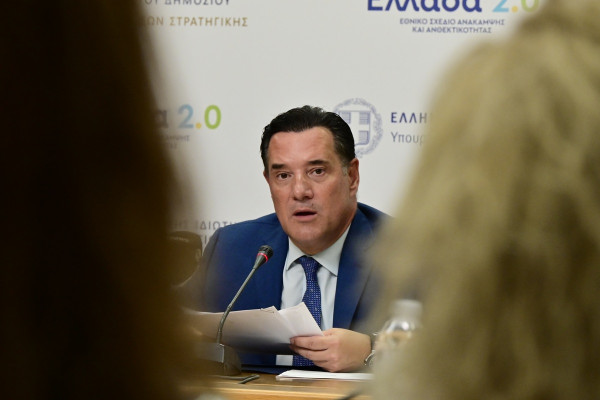
The legislation, presented by Economy and Finance Minister Kyriakos Pierrakakis and deputy ministers Thanos Petralias and Dimitris Markopoulos, is designed to increase disposable income and encourage long-term saving. The measures are estimated to be worth €1.76 billion ($2.1 billion) in 2026 and €2.5 billion in 2027.
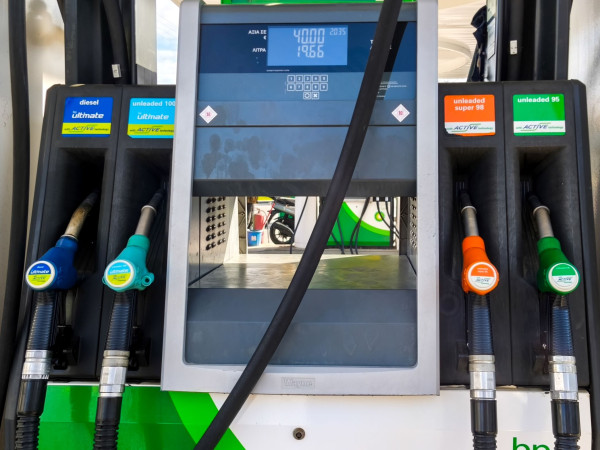
But the economic backdrop has shifted since the package was designed. Rising energy costs, and their spillover into the prices of goods and services, are putting fresh pressure on household budgets and risk reducing the purchasing-power boost from the tax relief.
ΔΙΑΒΑΣΤΕ ΕΠΙΣΗΣ



At the center of the overhaul are lower income-tax rates for people earning more than €10,000 a year, with larger reductions for families with children. Families with three children would face a 9% rate in the relevant tax bracket, while qualifying larger families would pay no tax in that bracket.
For people aged 25 or younger, income of as much as €20,000 would be exempt from income tax. The government estimates that measures aimed at younger taxpayers will affect about 270,000 people. More broadly, tax rates will be cut by two percentage points, with additional relief tied to the number of children in a household.
The package also gradually eliminates ENFIA, Greece’s annual property tax, for primary residences in 12,720 small settlements. Value-added-tax rates will be reduced by 30% on certain remote border islands. Changes to Greece’s system of presumed-income calculations for homes, cars and boats are expected to benefit roughly 477,000 taxpayers.
Pensioners would see the so-called “personal difference”—a mechanism that has prevented some retirees from receiving the full benefit of pension increases—phased out by 2027. Pay increases for members of the armed forces, police, fire service and coast guard are also included.
A separate pillar is aimed at changing Greece’s savings culture. Under a program dubbed the “Nest Egg for the New Generation,” parents could open investment accounts for children up to age two and contribute as much as €1,200 annually. The government would match those contributions euro for euro up to the same annual ceiling.
Relatives could also contribute, while investment returns would be tax-free. Funds normally couldn’t be withdrawn until the child turns 18.
With maximum contributions and depending on investment performance, the account could be worth more than €60,000 by adulthood. The first products are expected to become available in early 2027.