
Attica and Crete have emerged as the main drivers of Greece’s tourism recovery in the post-pandemic period, capturing the lion’s share of growth in revenues and activity. They are the only two regions in the country to have increased their market shares simultaneously in visitor numbers, overnight stays and tourist spending, according to new data from the Institute of the Greek Tourism Confederation (INSETE).
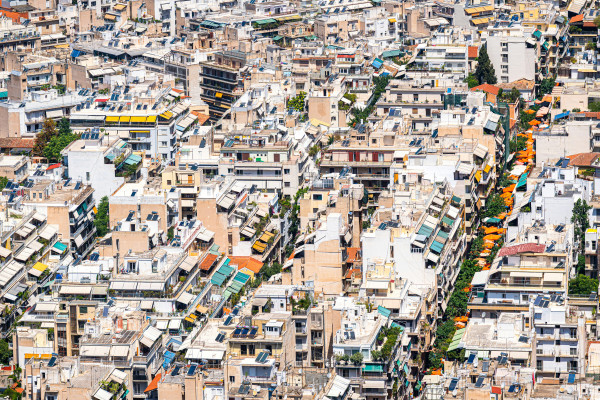
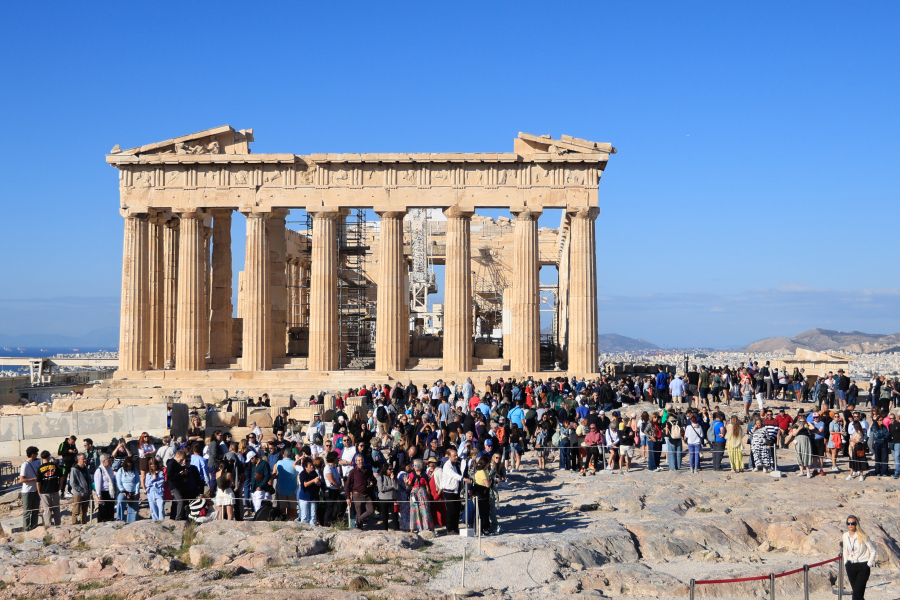
The dominance of Attica, which includes Athens, is particularly striking. In 2024, nearly one quarter of all foreign tourist spending in Greece was concentrated in the region, underscoring its transformation into a high-value urban destination. Attica’s share of total arrivals rose sharply from 16% in 2019, the last year before the pandemic, to 22% in 2024, while average spending per visit climbed by €103 over the same period, reaching €541. This increase alone lifted the national regional average by €41, highlighting the outsized impact of the capital on the overall tourism performance.
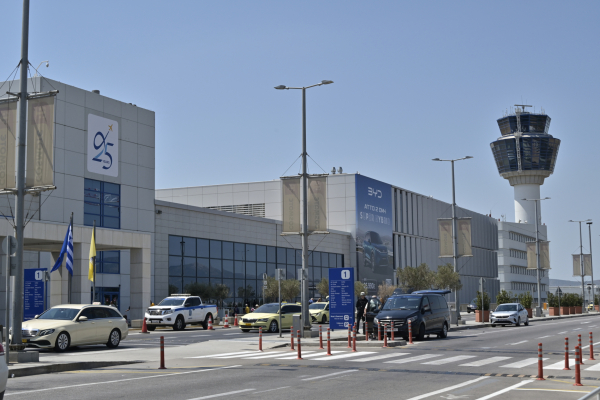
Attica’s share of total tourism receipts expanded even more dramatically, jumping from roughly 14.7% to 23%, the largest gain recorded among all Greek regions. As a result, almost one in every four euros spent by foreign visitors in Greece in 2024 was spent in Attica. The region also strengthened its position in terms of overnight stays, reflecting Athens’ growing appeal as a leading European city-break destination. Improved air connectivity, the rapid expansion of short-term rentals and sustained investment in high-end hotels have been key factors behind this shift.
Crete, Greece’s largest island and a long-established tourism stronghold, also posted solid gains and retained its central role in the sector. While its growth rates were more moderate than those of Attica, its momentum remained intact. Between 2019 and 2024, average spending per visit in Crete increased by €86. This translated into a two-percentage-point rise in the island’s share of total tourist spending, alongside a similar increase in its share of overnight stays. Its share of total visits rose slightly, confirming Crete’s continued appeal to international travelers.
At the national level, the data point to a structural shift in tourism patterns. Average per capita tourist spending in Greece increased modestly, rising from €564 in 2019 to €573 in 2024. Over the same period, however, the average length of stay declined from 7.4 nights to 6.4 nights, with most of the contraction occurring after the end of the post-pandemic “revenge travel” surge. This led to a significant increase in spending per night, which rose from €76 to €89, indicating a move toward higher-value, shorter trips.
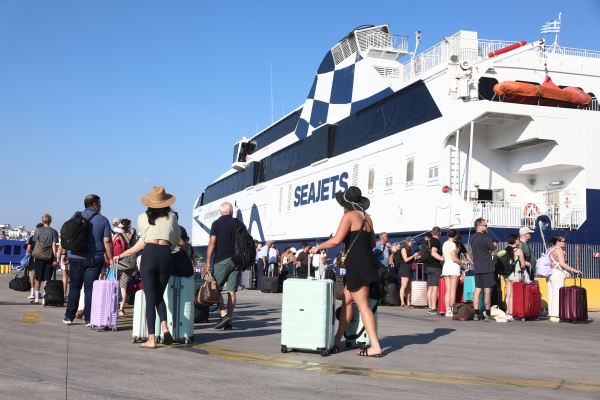
The South Aegean, home to some of Greece’s most internationally known island destinations, remained the country’s top region in terms of total tourism revenues, despite some loss of market share. Average spending per visit was broadly flat, while the region’s share of total spending fell by two percentage points and its share of overnight stays declined slightly. Visitor numbers, however, remained stable, suggesting a plateau rather than a reversal of its long-standing dominance.
By contrast, several regions lost ground over the five-year period. The Ionian Islands experienced relative stability in arrivals and overnight stays, but saw a modest decline in their share of tourism spending. Central Macedonia, which includes Greece’s second-largest city, Thessaloniki, recorded more pronounced losses, particularly in spending, where its share fell sharply from 13% in 2019 to 7% in 2024. Overnight stays also declined significantly, while visitor numbers slipped marginally.
Other regions, including the Peloponnese, Central Greece, Thessaly, Epirus, Western Greece and Eastern Macedonia and Thrace, recorded across-the-board declines in their shares of arrivals, overnight stays and tourism receipts compared with pre-pandemic levels. Despite isolated local successes, these areas largely failed to benefit from the growth momentum of the past five years, a trend that has widened regional disparities and reinforced the concentration of Greece’s tourism activity in a small number of powerful hubs.