Two people were killed and four others were seriously injured on Saturday morning in the village of Voriza in Crete, after a violent shootout erupted between two local families.
The deadly clash appears to have been triggered by a land dispute that stretches back decades, though the feud had remained dormant in recent years.
According to local reports, tension between the families dates to the 1950s, centered on contested property boundaries. Although both sides had reached an agreement in recent years, the fragile peace appeared to collapse when one family allegedly planted an explosive device at a construction site belonging to the other. The bombing, believed to be an act of retaliation for older grievances, reignited the conflict and set the stage for a dramatic escalation.
On Saturday morning, armed relatives of the targeted family reportedly drove toward the neighborhood of the suspected attackers, leading to an extensive exchange of gunfire. Witnesses described hours of shooting involving high-powered weapons, including Kalashnikov-type rifles. Villagers locked themselves inside their homes as more than 2,000 rounds were fired. Several vehicles were riddled with bullets and the scene resembled a war zone.
Hospitals in the region were placed on high alert as the injured were brought in. To prevent further violence between the families, authorities opened an additional hospital that was not scheduled to operate. Police forces were deployed to both medical facilities, amid fears the vendetta could continue there.
A 39-year-old man and a 56-year-old woman were confirmed dead. Several others remain hospitalized, with at least two of the injured men under police guard as investigators determine whether they participated in the shooting.
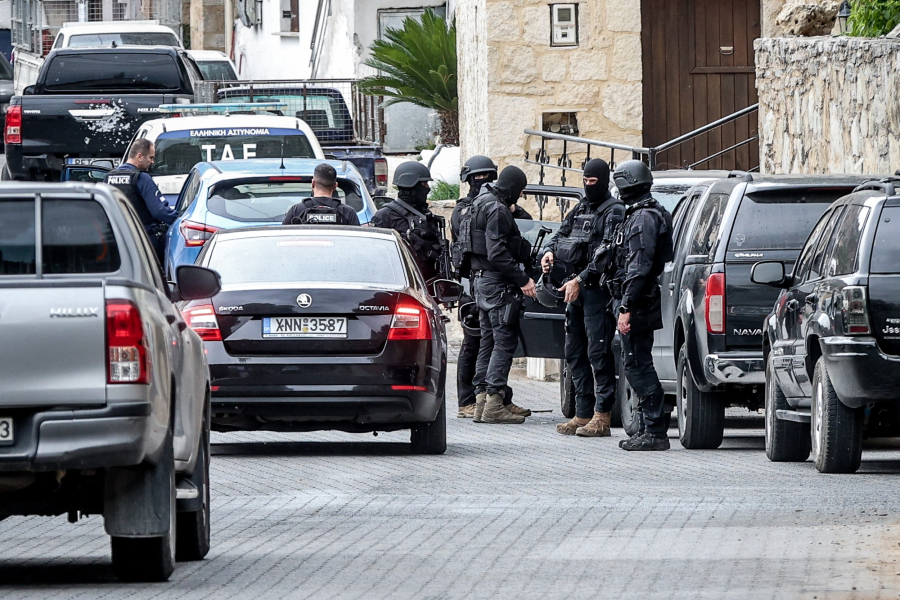
Greek authorities sent elite police units, including counter-terror and organized-crime teams, to the area. Senior law-enforcement officials traveled to Crete to oversee the operation, and special tactical squads have been stationed in the village to prevent further bloodshed.
The case has drawn attention to the lingering tradition of vendetta in parts of Crete, where family honor and historical grievances can fuel cycles of revenge lasting decades. Although such incidents are rare today, the ancient practice — rooted in notions of family pride and justice — still exists in local memory and occasionally resurfaces with tragic consequences.