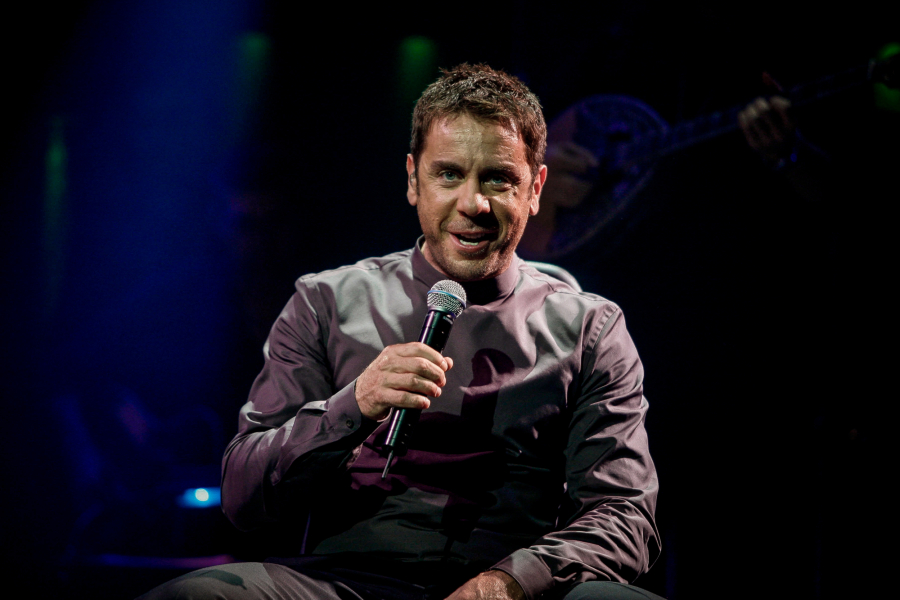
Giorgos Mazonakis,one of Greece’s most recognizable popular singers and a performer whose unconventional stage persona helped reshape the country’s nightlife over a career spanning more than three decades, died Wednesday after suffering cardiac arrest. He was 54.
Elpis Hospital in Athens said Mazonakis was brought to the hospital by an ambulance from Greece’s National Emergency Aid Center, known as EKAB, at 4:45 p.m. on Sept. 9. He arrived without spontaneous breathing and with no detectable pulse, according to a medical statement issued by the hospital.
Doctors performed cardiopulmonary resuscitation in accordance with established medical protocols but were unable to revive him, the hospital said. Mazonakis was officially pronounced dead at 5:40 p.m.
ΔΙΑΒΑΣΤΕ ΕΠΙΣΗΣ



“The administration and staff of the hospital express their sincere condolences to the family and loved ones of the deceased,” Elpis Hospital said.
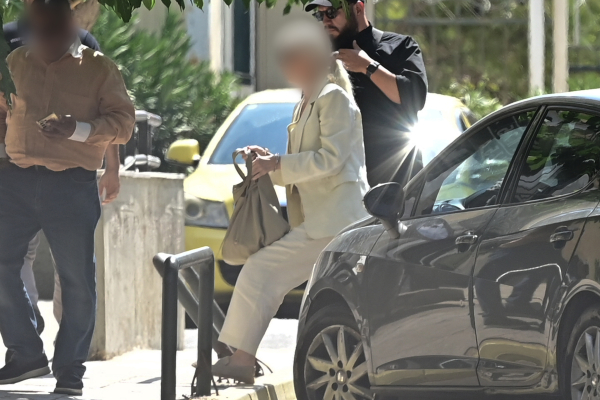
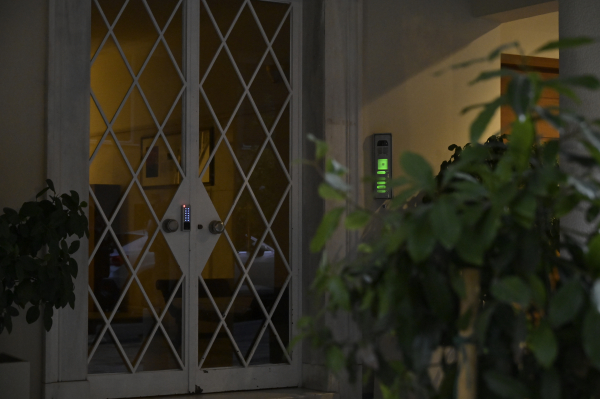
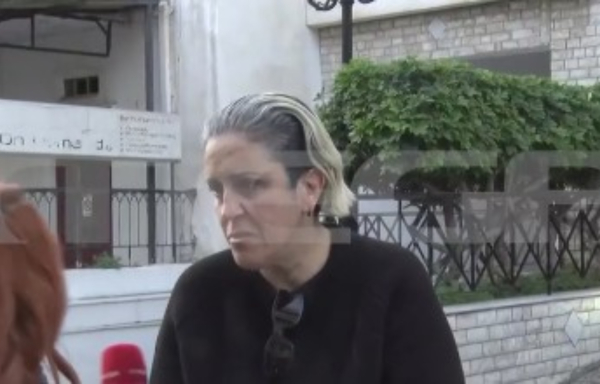
Greek media reports said Mazonakis had earlier visited a private medical practice in Kolonaki, an affluent central Athens neighborhood, for what was described as a regenerative plasma treatment associated with anti-aging procedures. According to those reports, which haven’t been independently confirmed, he suffered cardiac arrest around the time an intravenous catheter was being inserted.
The circumstances surrounding the reported treatment and the events preceding his cardiac arrest weren’t immediately clear.
Mazonakis’s death brings an abrupt end to the career of an artist who had occupied an unusual position in Greek popular culture since the early 1990s. Combining the conventions of mainstream Greek popular music with a provocative visual identity, he became known as much for challenging expectations about how male nightclub singers should present themselves as for a catalog of widely recognized hits.
Born in Nikaia, a working-class district in the greater Athens area, on March 4, 1972, Mazonakis decided as a teenager that he wanted to become a professional singer. His early performances included appearances at a nightclub in the western Greek city of Patras.
His commercial breakthrough came in the early 1990s, when he was discovered by PolyGram, the record company that later became part of Universal Music. His debut album, “Mesanychta kai Kati,” or “Midnight and Something,” was released in 1993.
Mazonakis became particularly associated with Athens’s nightclub culture, an important part of Greece’s entertainment industry in which major singers often perform lengthy live sets at large venues rather than limiting appearances to conventional concert tours.
He also cultivated an image that frequently departed from the traditionally masculine presentation of Greek popular singers. His appearances in skirts and platform shoes drew considerable attention from both audiences and the Greek press, reinforcing a public persona built around theatricality and a willingness to test cultural conventions.
His collaborations over the years included prominent Greek performers and composers. At the time of his death, Mazonakis remained an active performer.He had been scheduled to appear on Sept. 20 at Technopolis, a major cultural venue in central Athens, for a concert marking 33 years in music. Promotional material described the event as a retrospective of a career filled with songs, dramatic moments, reinvention and personal exploration.
Instead, the planned anniversary performance has become a marker of how suddenly that career ended—11 days before Mazonakis was due to take the stage to celebrate more than three decades at the center of Greek popular entertainment.