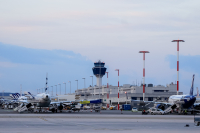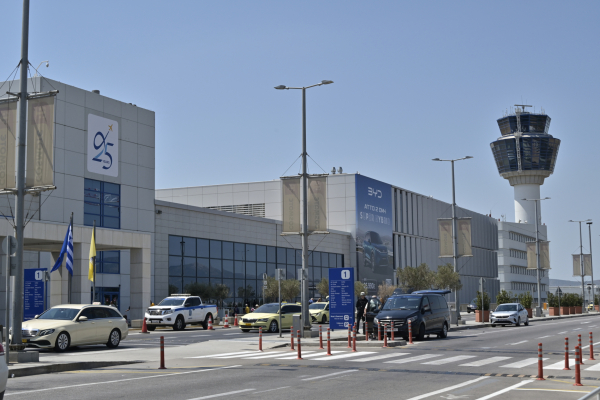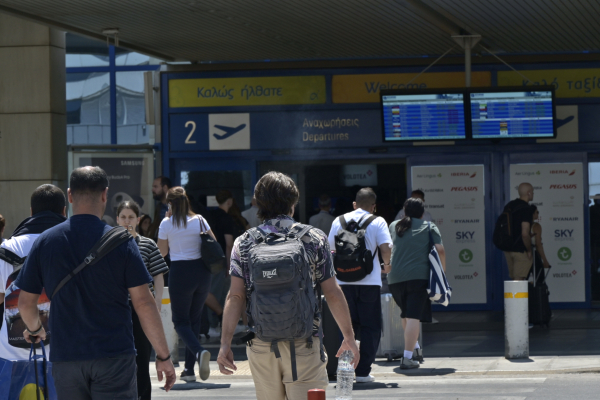
Athens International Airport is restructuring its expansion program, abandoning an existing procurement process and moving toward a more gradual rollout of investments designed to increase the capacity of Greece’s largest airport to 40 million passengers annually.
The board of Athens International Airport, the publicly listed operator of Eleftherios Venizelos airport, decided Wednesday to discontinue the Early Contractor Involvement, or ECI, tender process that had been used for the expansion project. Instead, the company plans to break the development into phases, with capital expenditure of about €950 million through the end of 2030, measured in 2026 prices.
The decision marks a significant change in how Athens intends to deliver one of Greece’s biggest infrastructure projects at a time when tourism and air travel are putting increasing pressure on the country’s main international gateway.
ΔΙΑΒΑΣΤΕ ΕΠΙΣΗΣ
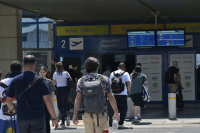

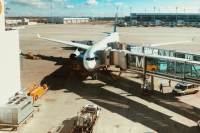
It also comes nearly two months after Dnews.gr reported tensions within the government over the potential involvement of major Turkish construction groups in the project. The expansion had at the time been estimated at roughly €1.28 billion.
According to the July 14 report, opponents of Turkish participation argued that an airport with national-security significance shouldn’t be expanded by Turkish contractors, reflecting the historically sensitive relationship between Greece and Turkey despite the improvement in bilateral ties in recent years.
Athens International Airport’s official announcement Wednesday made no connection between the cancellation of the tender and those concerns. The company instead pointed to faster-than-expected passenger growth, the operational and construction complexities of expanding a functioning airport and an increasingly volatile geopolitical environment as factors behind the revised strategy.
The expansion itself isn’t being abandoned. Under the new plan, construction will proceed through a series of separate projects, allowing the airport to add capacity progressively while continuing to operate.
The first phase is expected to move ahead immediately through a new open tender. It will include the development of a new southern wing of the Main Terminal Building, an expansion of the Satellite Terminal Building and associated infrastructure.
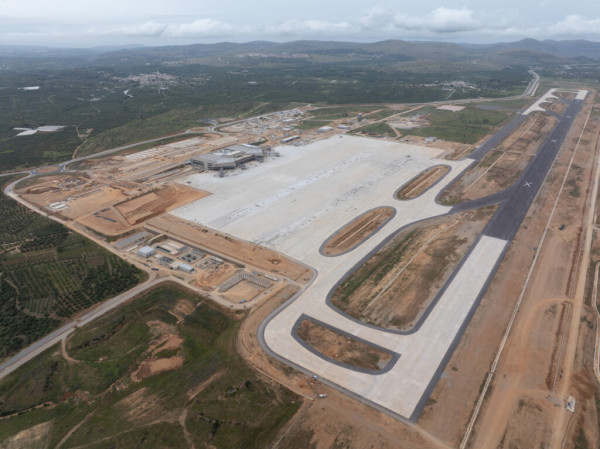
The broader plan calls for the airport’s terminal space to increase to roughly 350,000 square meters from about 200,000 square meters today. The number of check-in desks is expected to rise to 200 from 160, while aircraft parking positions will increase to 125 from 83.
The expansion also has a substantial commercial component. Retail and other commercial space is planned to rise to around 34,000 square meters from 13,500 square meters, more than doubling the area available for shops, restaurants and other passenger services.
Several projects already under way will continue, including the Northwest Apron, a new multistory parking facility and a VIP terminal. Athens International Airport also plans to launch another tender in the second half of 2027 for the initial expansion of the northern section of the Main Terminal.
The change in strategy comes as airport management confronts a problem shared by a number of major European hubs: passenger demand is growing faster than infrastructure originally designed decades ago can comfortably accommodate.
For Athens, the challenge is particularly significant because the airport is the principal aviation gateway to a country whose economy is heavily exposed to international tourism. Increasing capacity while keeping the airport fully operational adds another layer of complexity to an already large construction program.
Management is now looking beyond the 40-million-passenger target. The airport’s longer-term development framework provides for capacity of as many as 50 million passengers annually, and current planning indicates that level could be reached without constructing a third runway.