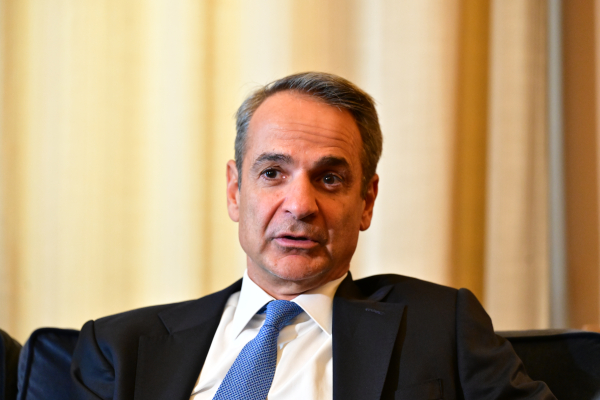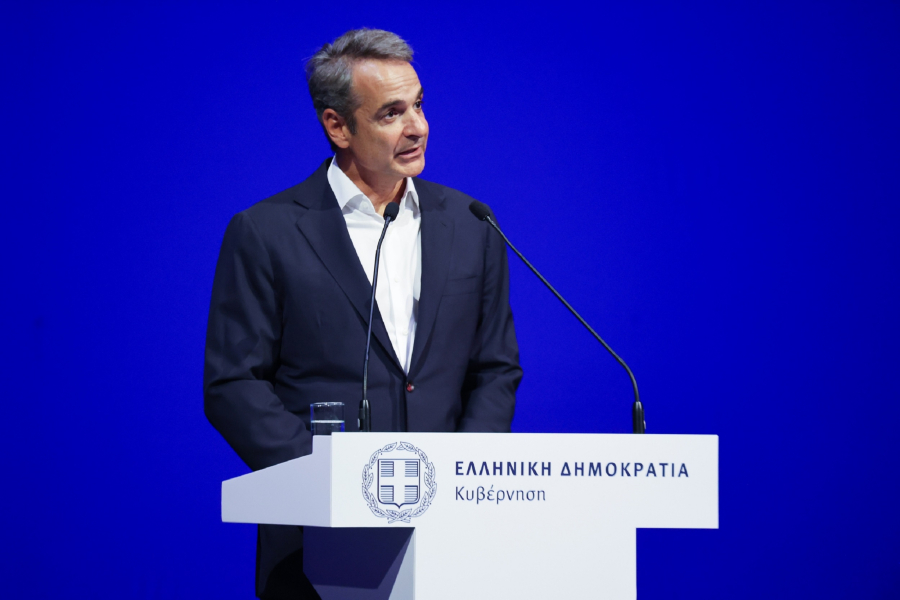
At the Thessaloniki International Fair today, Greek Prime Minister Kyriakos Mitsotakis will attempt to present a new political narrative with the announcement of measures worth €2 billion. But the atmosphere surrounding his speech is far from optimistic. Rising prices, weakening growth, and mounting social pressures are overshadowing the government’s ambitions, leaving the administration struggling to strike a convincing tone.
Despite a series of support measures in recent months, households remain burdened by inflation and businesses face mounting costs. Official data released by Greece’s statistics authority show that inflation stood at 3.1 percent, while growth in the first half of 2025 slowed to just 1.9 percent. GDP rose by 1.7 percent in the second quarter compared with a year earlier, keeping the average rate for the semester below the symbolic 2 percent threshold. Economists warn that the country risks sliding into a stagflationary environment - where weak growth collides with persistent inflation - leaving citizens feeling little benefit from the headline figures.
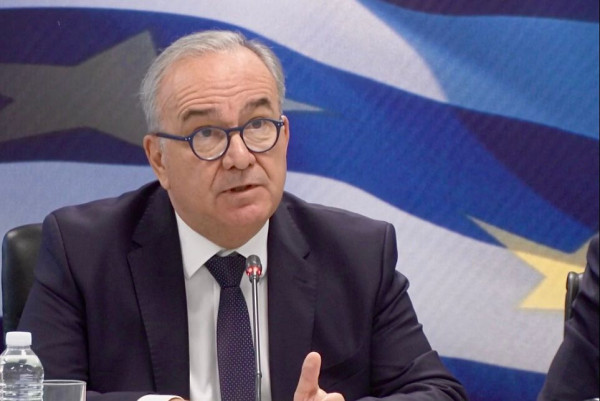
In this climate, the government is preparing to unveil a sweeping tax reform. The plan, to be announced in Thessaloniki, is designed to provide relief for the middle class, particularly families with children. Rather than a simple adjustment to the tax-free threshold, the reform will overhaul the way income is assessed, drawing inspiration from France’s family-based taxation system. Under the French model, household income is divided according to the number of family members and then taxed at lower rates, a system that can dramatically reduce liabilities. For example, a Greek family with two children and an income of €40,000 currently pays around €4,500 in taxes, while the same family in France would owe only €600. The Finance Ministry is now seeking to adapt this approach to Greek realities, promising significant reductions for households in the €10,000 to €50,000 income bracket, while the top tax rate of 44 percent will continue to apply to higher earners.
Yet even far-reaching tax cuts may not be enough to offset deeper challenges. Greece’s demographic crisis looms ever larger, with births declining sharply and deaths outnumbering them by more than 56,000 in 2023. Fertility remains at just 1.3 children per woman, well below the replacement rate, raising concerns for the sustainability of pensions, the labor market, and social services. Combined with an economy that is struggling to build momentum and an environment still vulnerable to climate and energy pressures, the outlook leaves little room for complacency.